


PU binder, also known as polyurethane binder, is an important component in many modern sports flooring systems. It is widely used to bond rubber granules, EPDM granules, recycled rubber particles, and other aggregates to create flexible, durable, and resilient sports surfaces.
For running tracks, playgrounds, outdoor fitness areas, and other athletic surfaces, the quality of the PU binder directly affects the final performance of the flooring system.
A suitable polyurethane binder provides strong bonding, flexibility, durability, and resistance to outdoor environmental conditions. It also helps create a stable surface that can withstand repeated impact and daily use.
As the demand for safer and more comfortable sports facilities continues to grow, PU binder has become an essential material for manufacturers, contractors, and sports flooring installers.
PU binder is a polyurethane-based adhesive material designed to bond various types of particles and aggregates together.
In sports flooring applications, PU binder is commonly mixed with rubber granules such as EPDM rubber granules or recycled rubber granules. The mixture is then applied to the prepared substrate and allowed to cure.
After curing, the binder forms a flexible polymer network that holds the rubber particles together.
Depending on the formulation and application, PU binders can be supplied as one-component or two-component systems.
One-component PU binders are generally moisture-curing products, while two-component systems typically consist of a resin and curing component that react after mixing.
The appropriate formulation depends on the construction method, climate, curing conditions, and performance requirements of the project.
The binder is more than simply an adhesive.
It plays an important role in determining the overall mechanical and physical properties of the finished sports surface.
A high-quality PU binder should provide strong adhesion between rubber particles.
Good bonding helps prevent granules from becoming loose during repeated sports activities, maintenance, and long-term outdoor exposure.
Sports flooring needs a certain level of flexibility to provide a comfortable surface for running, jumping, and other physical activities.
PU binder can create an elastic structure around the rubber particles, helping the finished surface maintain its flexibility.
Outdoor sports surfaces are exposed to sunlight, rain, temperature changes, and repeated foot traffic.
A properly formulated PU binder can help improve the durability of the flooring system and maintain the integrity of the rubber aggregate structure.
Running tracks and sports surfaces experience repeated impact from athletes.
A suitable PU binder works together with rubber granules to create a resilient surface that can absorb and distribute mechanical forces.

PU binder is widely used in different sports and recreational flooring applications.
One of the most common applications is synthetic running tracks.
PU binder can be mixed with rubber granules to create elastic base layers or other components of a running track system.
Depending on the track design, different binder formulations may be used for different layers.
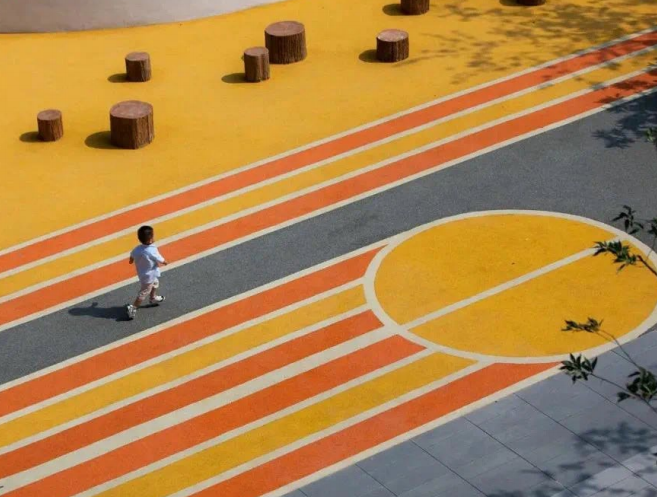
PU binder is commonly used with colored EPDM granules to create attractive and durable sports surfaces.
These systems are frequently used in:
Schools
Kindergartens
Community fitness areas
Basketball courts
Walking paths
Outdoor recreational facilities
The combination of PU binder and EPDM granules provides both functional performance and visual customization.
Safety and comfort are important considerations for playground surfaces.
Rubber granules bonded with PU binder can create resilient flooring systems designed to provide cushioning and reduce the hardness of traditional concrete surfaces.
The specific thickness and structure should be determined according to the project requirements and applicable safety standards.
PU binder systems can also be used in selected indoor or outdoor fitness areas where flexible and durable flooring is required.
Different PU binders are designed for different applications. Choosing the right product requires more than simply comparing prices.
Viscosity affects how easily the binder mixes with rubber granules and how evenly it distributes throughout the aggregate.
A suitable viscosity can help improve mixing efficiency and coating consistency.
Curing time is an important consideration for construction projects.
The ideal curing speed depends on temperature, humidity, substrate conditions, and construction schedule.
A binder that cures too quickly may make installation difficult, while extremely slow curing can delay project completion.
The binder should provide sufficient bonding strength to maintain the integrity of the rubber surface during long-term use.
For sports flooring, elasticity is an important performance factor.
The binder formulation should be selected according to the desired flexibility and the characteristics of the rubber aggregate.
For outdoor applications, the binder should be suitable for exposure to UV radiation, rain, humidity, and temperature fluctuations.
Weather resistance can have a significant effect on the long-term appearance and performance of the sports surface.
The combination of PU binder and EPDM rubber granules is widely used in modern sports flooring.
EPDM provides color, elasticity, and physical structure, while PU binder acts as the bonding material that holds the granules together.
The performance of the final flooring system depends on both components.
Important factors include:
EPDM particle size
Particle shape
Granule quality
Binder dosage
Mixing uniformity
Installation thickness
Substrate preparation
Curing conditions
An appropriate binder-to-granule ratio is particularly important.
Too little binder may result in weak bonding and loose particles, while excessive binder can affect the surface texture, elasticity, and cost of the finished system.
Therefore, contractors should follow the manufacturer's recommended formulation and application procedures.
The general installation process may include several steps.
First, the substrate should be properly cleaned, prepared, and inspected.
Next, the required amount of rubber granules and PU binder is measured according to the project specification.
The materials are then mixed thoroughly to ensure that the binder is evenly distributed around the rubber particles.
The mixture is applied to the prepared surface and leveled to the required thickness.
Finally, the surface is allowed to cure under suitable environmental conditions.
Actual procedures may vary depending on the specific PU binder, rubber granules, construction equipment, and flooring system.
Proper storage is essential for maintaining product quality.
PU binder should generally be stored in its original sealed packaging and kept in a dry, well-ventilated environment.
Extreme temperatures, moisture, and prolonged exposure to unsuitable conditions can affect the material's performance.
Before use, contractors should always check the manufacturer's technical documentation for recommended storage temperature, shelf life, handling procedures, and safety requirements.
For sports flooring projects, the quality of the binder can have a direct impact on the finished surface.
A reliable PU binder manufacturer should be able to provide detailed technical information, including:
Product specifications
Viscosity
Curing characteristics
Recommended mixing ratio
Recommended application conditions
Packaging options
Storage requirements
Technical data sheets
Safety information
Technical support
For international sports flooring projects, it is also important to select a supplier with experience in export packaging, transportation, product documentation, and technical communication.
PU binder is a fundamental material in many rubber-based sports flooring systems.
By bonding EPDM granules, recycled rubber, and other aggregates, polyurethane binder helps create surfaces with flexibility, durability, impact resistance, and long-term structural stability.
For running tracks, playgrounds, outdoor fitness areas, and other sports facilities, selecting the right PU binder is an important step toward achieving consistent flooring performance.
However, the final quality of a sports surface depends on more than the binder itself. Rubber granule quality, binder dosage, substrate preparation, mixing, installation thickness, curing conditions, and maintenance all contribute to the final result.
For contractors, distributors, and sports flooring manufacturers, working with an experienced PU binder supplier can help ensure that the material is properly matched to the specific flooring system and project requirements.
A high-quality PU binder, combined with suitable rubber granules and professional installation, can provide a reliable foundation for durable and high-performance sports flooring.
