

Views: 0 Author: Site Editor Publish Time: 2026-09-14 Origin: Site
Outdoor sports flooring represents a significant capital investment for any commercial facility. Schools, municipal parks, and professional athletic arenas rely heavily on these surfaces. They must perform safely for many years under harsh weather conditions. Premature surface degradation often stems from specifying the wrong polyurethane (PU) binder. Problems like severe yellowing, surface granulation, or deep cracking quickly ruin an expensive installation.
For facility managers and specialized contractors, choosing between an aliphatic and an aromatic PU binder is a high-stakes decision. You must carefully balance upfront material choices against the long-term physical lifespan of your asset. Making the wrong specification leads to rapid structural failure and absolute aesthetic disaster. This comprehensive guide breaks down the core structural differences between these two chemical options. We explore daily application realities and outline strict evaluation criteria for outdoor athletic surfaces. You will learn exactly how to make an evidence-based specification for your next flooring project.
Aliphatic binders are UV-stable and function as a yellow resistant PU binder, making them mandatory for light-colored or premium EPDM top layers exposed to direct sunlight.
Aromatic PU binders are highly durable but will amber (yellow) under UV exposure. They are best utilized in base layers (SBR rubber) or with dark-colored surface granules.
Construction site variables (temperature, humidity) disproportionately impact curing times and require strict moisture control regardless of the binder type selected.
Understanding the chemical foundation helps specifiers make better decisions. Aliphatic polyurethanes possess a highly stable molecular structure. They naturally resist degradation from ultraviolet light. We can picture their chemical bonds as tightly locked, straightforward chains. They lack the specific ring structures found in other chemicals. Because they lack these rings, UV rays pass through or reflect away safely. The molecular chains do not absorb the harmful radiation. This inherent chemical stability prevents the material from breaking down under intense, continuous sunlight. You get a lasting, vibrant surface.
Aromatic binders behave very differently outdoors. They react aggressively to UV rays. Standard aromatic isocyanates contain benzene rings in their chemical backbone. Sunlight hits these rings and excites the internal electrons. This solar energy triggers a rapid photo-oxidation process. The molecules break apart and form color-bearing compounds called chromophores. This chemical reaction creates a yellowish-brown tint across the rubber surface. Industry professionals call this the "ambering" effect. It completely alters the appearance of light-colored EPDM granules. For example, applying an aromatic binder over bright blue granules turns the entire court green because the yellow tint mixes into the blue rubber.
Facility managers often confuse aesthetic changes for structural failure. The initial yellowing of an aromatic binder is purely a cosmetic change. It does not signal an immediate safety hazard. The sports surface remains bouncy, shock-absorbing, and safe for athletes. However, continuous UV degradation over time will eventually lead to surface embrittlement. The chemical bonds slowly weaken under constant solar radiation. This physical breakdown happens much faster than in aliphatic systems. The rubber surface eventually becomes hard, rigid, and brittle. A brittle surface loses its safety certification and cracks under heavy foot traffic.
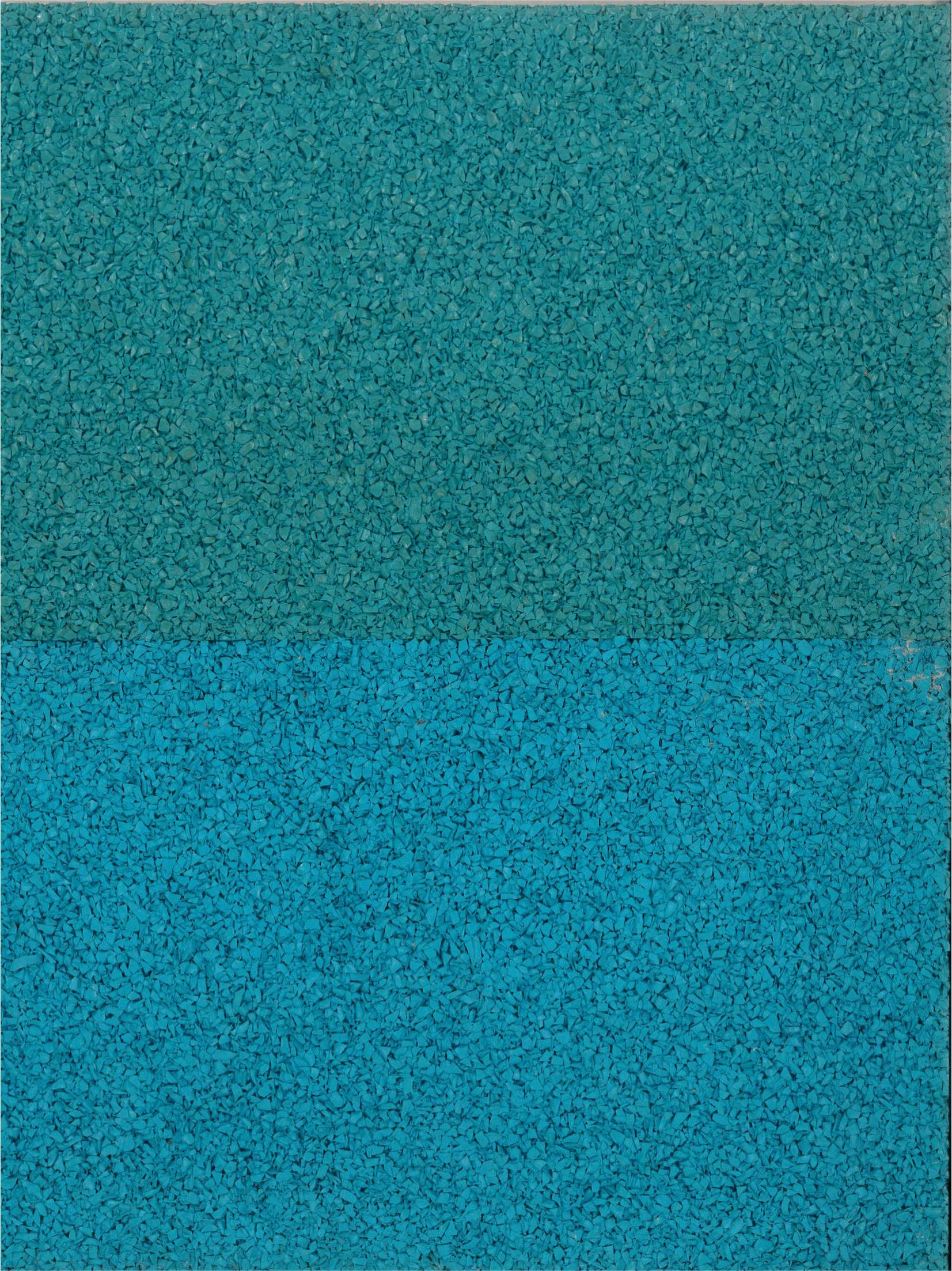
Contractors evaluate binders based on their physical elasticity. Both chemical types provide excellent shock absorption. They bind rubber granules tightly together to form a seamless floor. Interestingly, aromatic binders often boast a slightly higher initial tensile strength. They feel incredibly robust right after the installation cures. However, this peak strength only lasts before UV degradation begins. Once sunlight breaks down the aromatic bonds, the tensile strength drops significantly. Aliphatic solutions maintain a highly consistent tensile strength over their entire lifespan. They retain their elongation properties for years, absorbing athlete impact without tearing.
Brand compliance demands perfect color matching for modern sports facilities. Schools and corporate sponsors require specific shades for their running tracks and tennis courts. We frame the aliphatic binder as the absolute industry standard here. It serves as a highly reliable UV resistant binder. Basketball courts, splash pads, and premium playgrounds need high visual fidelity. You cannot risk a bright red school logo fading into a muddy brown blotch. An aliphatic solution ensures these specific EPDM colors remain bright and compliant for decades.
Upfront cost discrepancies often shock new facility managers. Aliphatic products are notably more expensive per kilogram. You must counterbalance this initial price tag by looking at physical longevity and resurfacing frequency. Aromatic topcoats require frequent repainting or complete resurfacing when installed outdoors. They dry out and crack under the sun. Conversely, aliphatic topcoats dramatically extend the visual and structural lifespan of the sports surface. You spend more today on premium materials. However, you avoid substantial resurfacing labor and facility downtime in the future.
Physical Property Comparison: Aliphatic vs Aromatic Systems
| Evaluation Metric | Aliphatic Polyurethane | Aromatic Polyurethane |
|---|---|---|
| UV Stability | Excellent (Prevents surface yellowing) | Poor (Ambers and darkens quickly) |
| Initial Tensile Strength | High | Very High |
| Long-Term Elasticity | Retains flexibility outdoors for years | Embrittles and hardens over time outdoors |
| Upfront Material Cost | Premium | Economical |
| Best Application Layer | Exposed wear layer / Topcoat | Hidden shockpad / SBR base layer |
Laboratory tests do not always match outdoor site realities. Discussing the practical behavior of an aliphatic PU adhesive helps contractors avoid costly mistakes. Contractors face shifting weather patterns daily. A crew pouring a court in hot, tropical climates faces different challenges than one working in cooler, northern regions. High temperatures accelerate the chemical reaction rapidly. The pot life decreases. Workers must mix and pour the rubber much faster before it sets entirely in the wheelbarrow. Cold temperatures stall the reaction, leaving the surface sticky and unusable for several days.
Both binder systems rely on moisture-cured mechanisms. They actively seek moisture in the air to trigger the final curing process. High ambient humidity presents a massive risk. High moisture levels in the air cause the binder to react too violently. This rapid reaction traps carbon dioxide gas inside the liquid matrix. The trapped gas causes severe foaming and bubbling across the sports surface. It creates a spongy, weak floor. If sudden rain hits the site during installation, the entire topcoat can be ruined. Installation crews must rigorously check ambient humidity and the moisture content of the rubber granules before pouring.
Contractors must note the distinct differences in Volatile Organic Compounds (VOCs). Consider the odor profiles during the mixing and pouring phases. Aromatic systems generally release stronger, sharper odors. This heavily impacts contractor safety and public comfort. Installing an aromatic system near open elementary schools or active public parks often triggers noise and odor complaints from the community. Aliphatic solutions often feature much lower VOC emissions. They provide a safer handling experience for the installation crew. They also allow adjacent public facilities to remain open without bothering bystanders.
Facility managers must know exactly when to shortlist each option to optimize their budgets. You should confidently specify aromatic systems in these specific scenarios:
Shock-absorbing base layers: You mix these binders with recycled black SBR granules. Installers bury this base layer under the topcoat. It receives zero UV exposure, rendering ambering irrelevant.
Surfaces utilizing exclusively dark EPDM granules: Black, dark green, and dark red granules easily camouflage the yellowing effect. The color shift remains practically invisible to the human eye.
Strictly indoor sports facilities: Gymnasiums, fieldhouses, and indoor training tracks lack direct sunlight exposure. UV degradation does not occur indoors.
Premium aesthetics and long-term durability demand a different approach. You must specify aliphatic systems for the following demanding applications:
Wear layers and topcoats in outdoor wet-pour systems: Any surface directly facing the sun requires maximum UV protection to maintain its structural integrity.
Installations utilizing light, bright, or highly specific EPDM colors: Blue, yellow, vibrant grey, and pure white surfaces require an aliphatic choice. This preserves the original design intent.
High-end commercial playgrounds: Professional athletic tracks and branded corporate courts also demand long-term aesthetic fidelity to meet strict EN 14877 or ASTM standards.
Not all binders deliver identical performance. Low-quality polyurethane binders unfortunately flood the market. Unscrupulous manufacturers often dilute their products using excessive chemical solvents or cheap plasticizers to lower costs. This heavy dilution leads to premature hardening of the sports surface. The diluted floor cracks easily under heavy foot traffic. The surface eventually suffers from rapid granule loss, a defect known as powdering or ravelling in the sports flooring industry. Always verify the solid content percentage of your chosen product before finalizing any purchase orders.
Superb materials still fail under poor installation practices. We emphasize the vital importance of accurate binder-to-rubber mixing ratios. Generally, professional contractors mix 18% to 20% binder with EPDM rubber for premium topcoats. Dropping this ratio to save money causes immediate delamination. The rubber granules simply fall apart. Conversely, pouring too much binder causes severe surface hardening. The floor loses its critical shock absorption properties. It becomes dangerously rigid for running athletes. Site supervisors must calibrate their mixing equipment daily to ensure strict ratio compliance.
Contractors must guarantee proper system compatibility. The aromatic base layer must bond perfectly to the aliphatic top layer. Chemical compatibility is non-negotiable for a seamless floor. Contractors typically use wet-on-wet or wet-on-dry application techniques. For wet-on-dry applications, the aromatic base layer cures completely first. Installers must apply a high-quality primer before pouring the aliphatic topcoat. Skipping this vital primer step guarantees delamination. The two distinct chemical layers will sheer and separate under the aggressive twisting forces of athletes' shoes.
Do not compromise on your wear layer. Facility managers should confidently use aromatic PU for the unseen base layers. This intelligent strategy optimizes your material budget effectively. However, you must strictly specify an aliphatic binder for the color-critical wear layer. This top layer faces constant UV exposure and daily physical abuse. Protecting it ensures the entire flooring system survives for its intended design life without turning brittle or ugly.
Protect your investment through rigorous due diligence. Advise your procurement stakeholders to always request technical data sheets (TDS) before purchasing any materials. You should verify independent UV testing certifications for any product claiming to be colorfast. Finally, consult heavily with technical sales teams regarding your specific local site climates. Discuss expected temperatures and humidity levels long before you schedule the installation crew.
A: No. Mixing these two distinct chemicals disrupts the moisture-curing process entirely. It completely compromises the UV resistance of the aliphatic portion. You will waste expensive premium materials. You will ultimately end up with a structurally weak, yellowing surface that requires complete replacement.
A: While highly UV resistant, no outdoor surface remains perfectly immune to weathering. Environmental dirt, heavy physical wear, and extreme long-term weathering will eventually dull any surface. However, an aliphatic solution prevents the rapid, damaging chemical "yellowing" reaction seen in aromatic products.
A: Bubbling is usually a direct result of high moisture in the rubber granules or high ambient humidity. The water reacts aggressively with the PU binder, regardless of its chemical type. This violent reaction releases carbon dioxide gas, which gets trapped in the curing surface.


