

Views: 0 Author: Site Editor Publish Time: 2026-11-03 Origin: Site
Visible color variations in sports complexes lead to rejected handovers. They cause costly material tear-outs and severely damage contractor reputations. The stakes run incredibly high in commercial sports facility construction today. Maintaining uniformity across massive production runs requires strict control over raw materials. Multi-day installations present similar, complex challenges for your crew. You must closely monitor the specific quality of the colorants used on site.
Achieving reliable results depends heavily on sourcing high-grade color paste for sports flooring. You also need to standardize mixing protocols carefully. Controlling environmental variables during application remains equally vital to success. We will explore how to secure perfect color harmony from start to finish. You will discover practical procurement criteria and effective dispersion mechanics. We also cover proven batch consistency protocols and environmental risk management strategies.
Preventing color deviation requires evaluating pigment concentrates based on UV stability, carrier resin compatibility, and grind fineness.
Flawed pigment dispersion is the leading cause of streaking and weak spots in synthetic sports surfaces.
Batch color consistency in large-scale projects demands rigid, documented formulas and automated weighing systems rather than volumetric estimation.
Environmental factors—such as ambient humidity and substrate temperature—can alter curing times and visually impact the final surface color, even with identical material batches.
Clients reject projects immediately when seams show visible lines. Mismatched zones ruin the athletic aesthetic of any newly poured surface. You must often tear out entire polyurethane or acrylic layers to correct these visual errors. Replacing them costs thousands of dollars in lost materials. Financial margins vanish quickly when you redo days of intense labor. The physical removal process also damages the underlying shock pad or concrete substrate. This forces crews to spend extra days grinding and prepping the floor again.
Institutional clients enforce strict brand guidelines across their campuses. Schools and professional arenas demand exact hues to match their team identities. They find color deviation in flooring completely unacceptable. The final surface must perfectly reflect their established Pantone or RAL codes. Delivering a faded red instead of a vibrant crimson breaches contract expectations. It signals a lack of professionalism and harms your long-term relationship. Facility managers will simply refuse to sign off on visually compromised installations.
Manual on-site fixes rarely solve color inconsistency problems. Workers often try to adjust a bad batch by adding random pigment drops. This guesswork ruins expensive base materials. Labor hours extend unnecessarily as crews struggle to blend disparate sections. Your team loses valuable time chasing a visual match. Discarding partially cured, incorrectly tinted resin creates hazardous waste disposal issues. Prevention always costs less than attempting emergency chemical corrections on a live job site.
The pigment concentrate's carrier must chemically match your main flooring system. Polyurethane, acrylic, and epoxy each require specific carrier resins. Chemical mismatches cause immediate pigment separation inside the mixing bucket. The colorants float to the top or sink to the bottom. They refuse to integrate into the base material properly. Always verify compatibility before purchasing bulk supplies. Ask your manufacturer to confirm chemical alignment to ensure smooth blending.
Outdoor courts face relentless sun exposure daily. Specify high light-fastness pigments to survive these harsh conditions. Cheap organic pigments fade prematurely within a single season. The surface chalks and loses its vibrant appearance quickly. Inorganic pigments offer superior resistance against ultraviolet degradation. Facility owners expect their investment to look pristine for years. You protect their investment by procuring UV-stable colorants up front.
Tinting strength matters greatly when formulating sports surfaces. High concentration reduces the overall volume of colorant needed. It directly impacts your total project cost and physical flooring characteristics. Adding too much weak pigment alters the resin-to-hardener ratio. This disrupts the chemical curing process. Select high-opacity pastes to achieve full coverage using fewer ounces per gallon. It keeps the base resin chemically pure and structurally sound.
Rubberized tracks demand specialized attention during mixing. You must carefully manage EPDM flooring colors to maintain brightness. Color-coating EPDM granules requires mixing binders perfectly. Clear polyurethane binders sometimes yellow over time due to UV exposure. This yellowing distorts the intended hue entirely. A bright blue floor suddenly appears green. Use aliphatic urethane binders instead of aromatic ones. Aliphatic options resist ambering and preserve the true color of your EPDM granules.
Essential Procurement Checks:
Request technical data sheets verifying carrier compatibility.
Demand minimum 7-8 Blue Wool Scale ratings for UV resistance.
Test opacity density using a drawdown bar before bulk ordering.
Confirm binder formulations resist ambering over time.
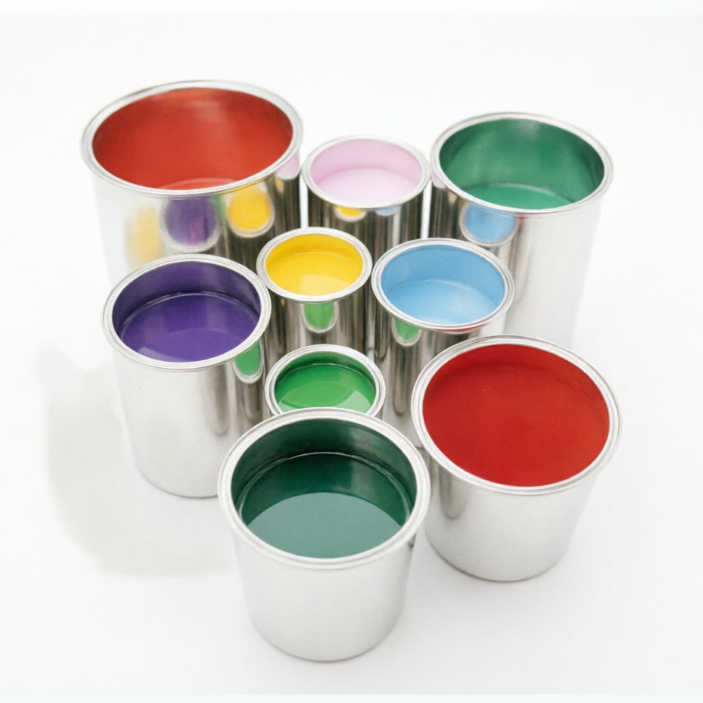
Thoroughly separated pigment particles prevent agglomeration in the resin matrix. Clumping ruins the visual flow of the poured floor. Proper pigment dispersion is non-negotiable for professional contractors. Manufacturers grind pigments down to microscopic micron levels. The carrier resin wets each individual particle evenly. This prevents dry pigment clusters from creating dark streaks during squeegee application. Dispersed particles suspend uniformly throughout the bucket. They deliver a smooth, unbroken visual plane across the entire court.
Poor dispersion damages more than just surface visuals. It creates hidden weak points across the athletic floor. Tensile strength and elasticity drop significantly where pigments clump together. These micro-defects become brittle zones under heavy athletic impact. Cleats and running shoes tear these exact spots open prematurely. Unmixed pigment clusters act like tiny rocks trapped in a flexible membrane. They compromise the shock absorption and safety of the entire flooring system.
Never rely on simple hand mixing or low-speed drills. Use dedicated high-shear mixers to force proper homogenization. Follow established RPM and time metrics strictly. A typical polyurethane batch requires three minutes at 400 RPM minimum. Move the mixing paddle constantly around the bucket sides and bottom. Complete homogenization is required before application begins. Transfer the mixed material into a second clean bucket and mix again. This "double-mix" technique prevents uncolored resin clinging to the bucket walls from ruining the pour.
Gravimetric dosing eliminates human error instantly. Weigh the pigment concentrate precisely on a calibrated digital scale. Volumetric measuring fails because fluid viscosity changes based on ambient temperature. A "fluid ounce" of cold colorant contains more mass than warm colorant. Weight remains absolute regardless of job site conditions. Measuring by weight guarantees identical hue depth across hundreds of distinct buckets. Implement a strict written policy banning measuring cups from your staging area.
Measurement Methods Comparison
| Feature | Gravimetric (Weight) | Volumetric (Cups/Ounces) |
|---|---|---|
| Accuracy | Extremely High (to the gram) | Low (affected by temperature) |
| Consistency | Perfect repeatability | Varies by worker interpretation |
| Viscosity Impact | None | High (thick fluids measure poorly) |
| Best Practice | Mandatory for large jobs | Avoid for professional pours |
Calculate total project requirements upfront before mixing begins. Secure a single master batch directly from the factory. Avoid mixing lot-to-lot variances from different manufacturing dates. Minute chemical differences between factory runs cause noticeable shading shifts across a large gymnasium. Securing one unified lot ensures true batch color consistency. Check every single pail upon delivery. Read the lot numbers to verify they match. Quarantine any mismatched pails immediately to prevent accidental use.
The "boxing" technique rescues projects from micro-variances. Blend multiple pails of the same colored base material into an oversized drum. Pour them together and mix thoroughly. This smooths out any slight hue differences between individual factory buckets. Pour out of the large drum to supply your squeegee crews on the floor. As the large drum empties, continually add fresh buckets into it. This continuous blending guarantees a seamless gradient transition across massive arenas.
Clients often request highly specific branding requirements. Align immediately with standard color spaces like RAL or Pantone. Set realistic baseline expectations for sports court color matching. Explain how synthetic resins absorb light differently than paper or wall paint. A Pantone code printed on paper will look slightly different under a glossy polyurethane finish. Bring physical charts to the client meeting. Have them sign off on the exact resin-based target hue before production starts.
The Standard Custom Matching Process:
Identify the exact RAL or Pantone code required by the client.
Source a specialized trial batch from the pigment manufacturer.
Create a physical lab mock-up using the exact job site resin.
Submit the fully cured sample for formal client signature.
Never evaluate custom color matching results while the material remains wet in the bucket. Wet resins dry up to two shades darker or lighter. Evaluate the final hue only after the sample has fully cured. Chemistry dictates visual shifts during the exothermic cross-linking phase. Wait 24 to 48 hours before comparing the physical sample against the client's Pantone chart. Presenting wet samples to architects creates false expectations and leads to rejected floors.
Record your exact ratios meticulously. Document the specific base, hardener, and color paste weights used. Future repairs must match the original installation perfectly. Facility expansions will require identical flooring years later. Save your written formulation in a secure digital project file. Hand a physical copy of the mixing recipe to the facility manager upon project completion. This proactive documentation prevents chaotic guesswork when minor patching becomes necessary down the road.
High humidity causes severe "blushing" across freshly poured floors. Micro-foaming occurs in polyurethane systems trapped under heavy moisture. The surface color dulls significantly and appears lighter than intended. Ambient air temperature alters curing times dramatically. Fast cures lock pigment in abruptly, while slow cures allow heavier particles to settle. Monitor the dew point continuously throughout your installation window. Stop pouring operations immediately if the ambient temperature drops too close to the dew point.
Moisture vapor transmission reacts violently with synthetic flooring systems. Rising moisture carries highly alkaline salts directly from unsealed concrete. These salts interact with the pigment chemistry. It causes localized discoloration and cloudy white patches. Conduct extreme calcium chloride or in-situ relative humidity testing before applying primer. Apply a robust vapor mitigation epoxy layer if substrate moisture exceeds manufacturer limits. Protecting the bottom layer ensures the top layer's visual integrity.
Pouring coatings at varying mil-thicknesses alters opacity abruptly. Light reflection changes across uneven surfaces. Thin spots allow the dark primer to show through. Thick spots absorb more light and look intensely dark. This creates the frustrating illusion of color mismatch despite using identical materials. Use precision notched squeegees. Replace squeegee blades frequently as they wear down on rough concrete. Uniform application thickness guarantees uniform color perception.
Color consistency in sports flooring relies entirely on engineered outcomes, not luck. You must conquer every variable from procurement down to application thickness. Invest strictly in premium, well-dispersed colorants to minimize on-site risks. You routinely protect contractor margins by avoiding rework entirely.
Specifiers and facility managers should actively require transparent pigment specifications in their bid documents. Demand physical cured mock-ups before approving large-scale installations. Standardize your gravimetric dosing procedures today. Track your lot numbers meticulously on every new project. These proactive steps lock in vibrant, professional athletic surfaces.
A: Differences in mixing times, variations in applied thickness, and fluctuating ambient temperatures during curing cause massive problems. Failing to use a single factory batch of color paste also creates noticeable hue shifts.
A: Pigment concentrates are highly dense, un-thinned colorants. They are designed to chemically bind into the flooring's base resin (like PU or epoxy) without altering mechanical performance. Standard surface paints merely sit on top and crack under athletic stress.
A: Exact matching remains highly challenging due to the UV degradation and mechanical wear of the existing floor. Professional matches aim for a strict standard tolerance (Delta E). We usually recommend resurfacing the entire zone for seamless results.
A: UV inhibitors prevent clear or colored binders from ambering (yellowing) under heavy sunlight. Ambering otherwise shifts the perceived color of the underlying EPDM granules dramatically, often turning bright blue floors into a muddy green.


