

Views: 0 Author: Site Editor Publish Time: 2026-11-06 Origin: Site
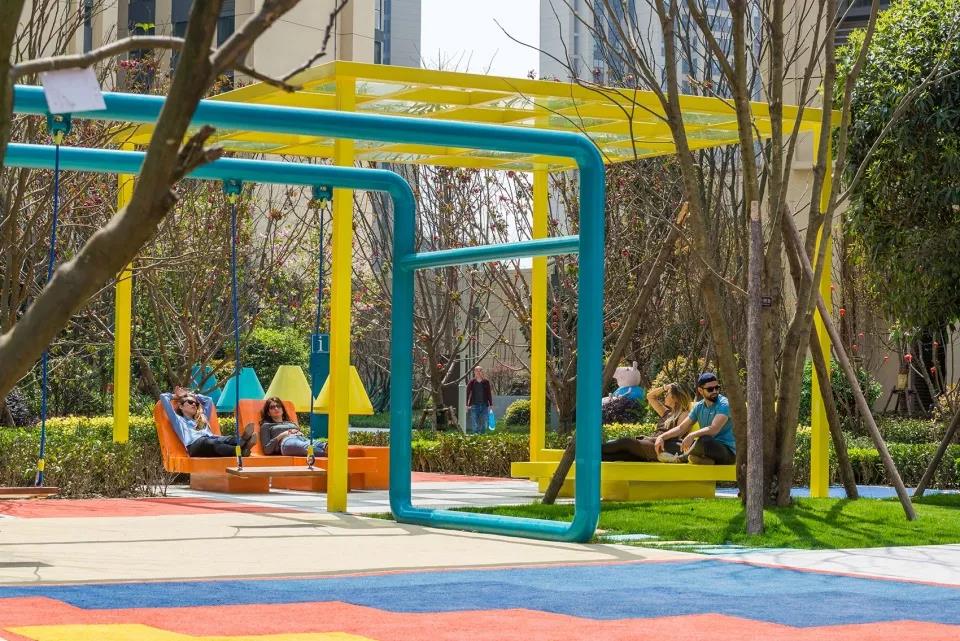
EPDM rubber playground surfaces are widely used in schools, public parks, residential communities, and recreational facilities. Their colorful appearance and seamless design make them a popular choice for outdoor play areas.
However, like other outdoor flooring systems, EPDM playground surfaces require regular maintenance to keep them clean and in good condition.
Over time, dirt, leaves, moisture, heavy use, and environmental exposure may affect the appearance and condition of a playground surface. Without proper inspection and maintenance, minor issues may develop into more serious problems.
For playground operators, contractors, and project owners, understanding how to maintain EPDM rubber surfaces can help support effective maintenance planning and identify potential problems early.
In this guide, we will explain how to maintain EPDM playground surfaces, identify common problems, and discuss practical ways to prevent them.
EPDM rubber playground surfacing is a type of rubber flooring commonly used in outdoor play areas.
In many wet-pour systems, EPDM rubber granules are mixed with a suitable polyurethane binder and installed over a prepared base to create a continuous surface.
The finished playground surface may include different layers depending on the selected surfacing system.
EPDM rubber granules are the raw material used in the surface layer of many systems. The finished flooring is a complete system involving materials, installation, and curing.
Its condition over time depends on several factors, including:
Material selection
Base preparation
Installation quality
Weather and environmental exposure
Playground usage
Cleaning and maintenance practices
Understanding these factors is important when planning a maintenance program.
Regular maintenance helps playground operators identify surface issues before they become more difficult to address.
It also helps keep the playground clean and supports a safer environment for users.
The main benefits of routine maintenance include:
Outdoor playgrounds may accumulate dust, leaves, mud, food waste, and other debris.
Regular cleaning helps maintain the appearance of the rubber surface and prevents dirt from building up.
Routine inspections can help identify cracks, loose granules, damaged areas, or other visible changes.
Early identification allows operators to arrange appropriate repairs when necessary.
Keeping records of inspections and repairs helps operators understand the condition of the playground surface over time.
This information can support maintenance budgeting and future renovation planning.
A practical maintenance routine should include regular cleaning, visual inspections, and timely repairs.
The following recommendations are general maintenance practices. Specific procedures should follow the instructions provided by the playground surfacing system supplier.
Leaves, branches, dirt, and other debris should be removed regularly.
Loose debris may accumulate around playground equipment, corners, drainage areas, and shaded sections.
Use suitable cleaning tools that will not damage the rubber surface.
Avoid aggressive scraping or tools that may loosen or tear the surface material.
The playground surface can be cleaned using suitable methods recommended by the surfacing supplier.
For routine cleaning, operators may use water and appropriate cleaning equipment to remove dirt and dust.
If cleaning agents are required, confirm that they are compatible with the rubber surfacing system.
Avoid using harsh chemicals or cleaning methods that may damage the binder or rubber materials.
Water should drain according to the playground's drainage design.
After rainfall, inspect areas where water tends to collect.
Standing water may indicate a drainage issue, surface unevenness, or another condition that requires further evaluation.
If water accumulation occurs repeatedly, consult a qualified contractor or surfacing professional.
Some playground areas receive more use than others.
Common high-traffic locations include:
Entrances and exits
Areas around slides
Spaces beneath swings
Sections near climbing equipment
Paths between playground zones
These locations should receive particular attention during routine inspections.
If cracks, loose granules, or damaged sections are identified, the affected area should be evaluated.
Repair methods depend on the surface structure, the type of damage, and the materials used in the original installation.
For repairs, consult the original installer or a qualified playground surfacing contractor.
Using incompatible repair materials may lead to further problems.
Although EPDM granules are commonly used in playground surfacing, the condition of the finished floor depends on the complete system.
The following are common issues that may occur in rubber playground surfaces.
Loose or missing granules may appear as small particles coming away from the surface.
Possible contributing factors include:
Binder-related issues
Incorrect mixing or installation
Inadequate curing
Surface wear
Material incompatibility
Prevention:
Use suitable materials and follow the recommended installation procedure.
The selected EPDM granules and binder should be compatible with the surfacing system.
If granule loss occurs, identify the cause before arranging repairs.
Cracks may appear in the rubber surface over time.
Possible causes include:
Movement or cracking of the underlying base
Installation-related issues
Environmental exposure
Material incompatibility
Changes in the condition of the surfacing system
Prevention:
Proper base preparation and installation are important.
The base and surfacing system should be designed and installed according to the project requirements.
If cracking appears, a qualified professional should inspect the affected area to determine whether the issue is limited to the surface or related to the underlying structure.
Outdoor playground surfaces are exposed to sunlight, rain, dirt, and regular use.
Over time, the appearance of the surface may change.
Uneven color may also result from differences in materials, installation, or surface wear.
Prevention:
Select suitable materials for the intended outdoor application.
For new projects, buyers should confirm color options and request samples when color consistency is important.
For existing playgrounds, routine cleaning can help remove dirt that affects the appearance of the surface.
Water may collect in certain areas of a playground after rainfall.
Possible causes include:
Drainage problems
Uneven base conditions
Surface depressions
Blocked drainage channels
Prevention:
Drainage should be considered during the design and installation stages.
Regularly inspect drainage areas and keep them free from debris.
If water continues to accumulate, consult a qualified professional to identify the underlying cause.
Some sections of a playground may experience more frequent use than others.
Repeated use can contribute to changes in the surface condition.
Prevention:
Inspect high-traffic areas regularly.
Identify visible changes early and arrange professional evaluation when necessary.
A maintenance plan should consider the actual usage patterns of the playground.
In some cases, sections of the rubber surface may separate from the underlying layer or base.
Possible contributing factors include:
Problems with the underlying base
Installation issues
Material incompatibility
Moisture-related conditions
Changes in the condition of the surfacing system
Prevention:
The installation process should follow the requirements of the selected surfacing system.
Material compatibility, base preparation, and installation conditions should be confirmed before construction.
If separation occurs, the complete affected area should be inspected before repair work begins.
Preventive maintenance starts before the playground is installed.
The following practices can help project owners and contractors reduce the risk of avoidable surface problems.
The materials used in a playground surfacing system should be suitable for the intended application.
For EPDM-based systems, buyers should confirm:
EPDM color
Particle size
Binder compatibility
Intended application
System requirements
Do not select materials based only on price or appearance.
The finished surface depends on the installation process as well as the materials.
Project owners should work with qualified contractors who understand the selected surfacing system and its installation requirements.
The binder, mixing ratio, base preparation, application method, and curing conditions should follow the relevant system requirements.
There is no single installation procedure suitable for every playground surfacing project.
A maintenance schedule helps ensure that inspections and cleaning are carried out consistently.
The frequency should depend on playground usage, environmental conditions, and the recommendations of the surfacing supplier.
Record the date of each inspection, any visible problems, cleaning activities, and repair work.
These records can help identify recurring issues and support future maintenance decisions.
Playground operators can use the following checklist as a general starting point.
| Inspection Item | What to Check |
|---|---|
| Surface cleanliness | Leaves, dirt, mud, and debris |
| Surface condition | Cracks, loose granules, and visible damage |
| High-traffic areas | Wear or changes in surface condition |
| Drainage | Water accumulation and blocked drainage areas |
| Playground equipment | Areas around equipment where surface damage may occur |
| Repairs | Whether previous repairs remain in good condition |
The checklist should be adjusted according to the playground design, usage, and maintenance requirements.
For playgrounds subject to specific safety regulations, inspections should also follow the applicable standards and requirements.
Not every surface issue requires immediate reconstruction.
However, visible damage should not be ignored.
Repair or professional evaluation may be necessary when:
Rubber granules are repeatedly coming loose
Cracks are becoming larger
Surface sections are separating
Water continues to accumulate
Damaged areas are becoming more widespread
The surface condition may affect playground safety
The appropriate repair method depends on the cause and extent of the damage.
In some cases, localized repairs may be possible.
In other cases, the underlying base or a larger part of the surfacing system may need to be evaluated.
For playgrounds with safety-related requirements, consult a qualified playground surfacing professional before reopening affected areas.
For new playground projects, selecting suitable materials is an important step in supporting the condition of the finished surface.
Material buyers should consider the following questions when sourcing EPDM rubber granules.
Confirm whether the granules will be used for playground flooring, running tracks, or another type of rubber surfacing.
The intended application helps determine which material options should be considered.
Confirm the required color and whether samples are available.
For larger projects, discuss color consistency and material supply planning with the supplier.
Particle size should be confirmed with the contractor or surfacing system supplier.
Do not assume that the same particle size is suitable for every surfacing system.
Confirm the compatibility of the EPDM granules and binder before purchasing.
The complete surfacing system should be considered when selecting materials.
Confirm the available quantity, packaging, delivery schedule, and destination country.
For international buyers, these details help support quotation and shipping arrangements.
Maintaining EPDM rubber playground surfaces requires regular cleaning, routine inspections, and timely repairs.
Common problems such as loose granules, surface cracking, water accumulation, and surface wear may be influenced by material selection, installation quality, environmental conditions, and usage.
For existing playgrounds, identifying the cause of a problem is an important step before arranging repairs.
For new projects, selecting suitable EPDM granules, confirming binder compatibility, and following the recommended installation procedure can help support the condition of the finished surfacing system.
A practical maintenance plan, combined with suitable materials and professional installation, can help playground operators manage their surfaces more effectively.
Baoli Technology supplies EPDM rubber granules for playground flooring, running tracks, and other sports and recreational applications.
If you are sourcing EPDM rubber granules for a new playground project, contact our team with your requirements.
Please share:
Required color
Particle size
Application
Estimated quantity
Destination country
Our team can help you discuss available material options for your project.
Contact Baoli Technology to inquire about EPDM rubber granules for playground flooring applications.


