

Views: 0 Author: Site Editor Publish Time: 2026-11-04 Origin: Site
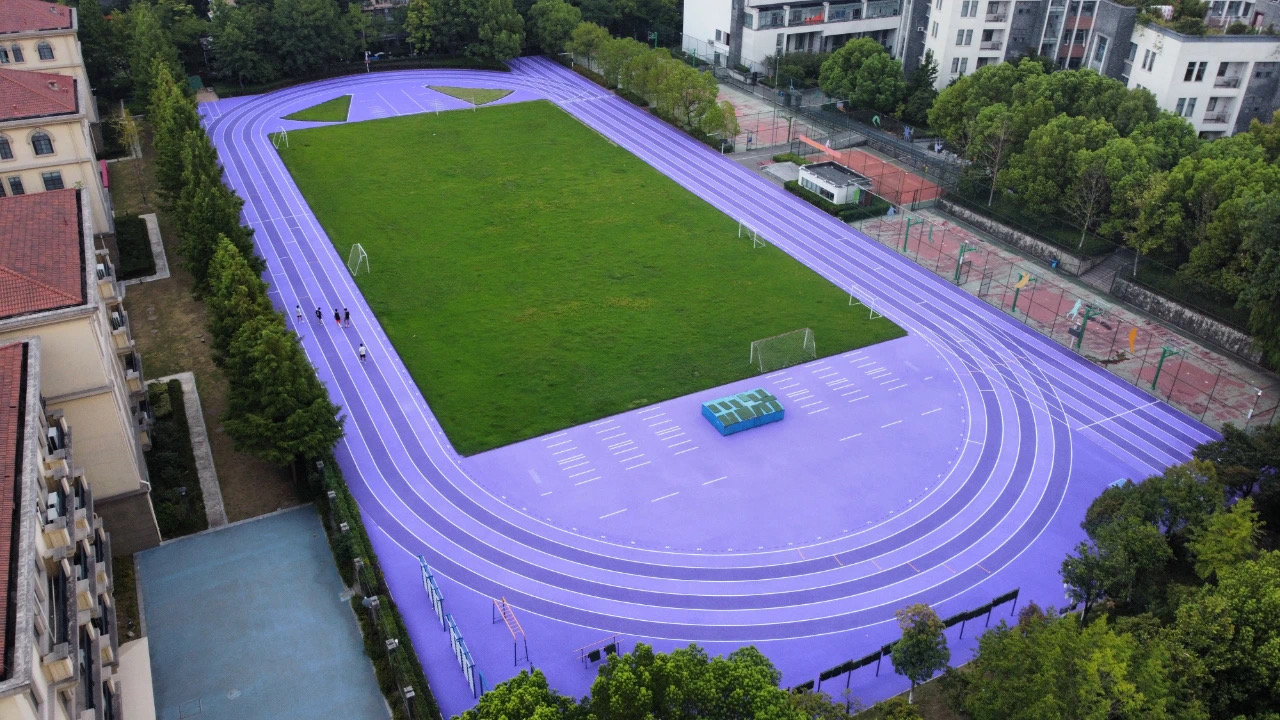
Running tracks are widely used in schools, sports facilities, universities, community parks, and professional athletic venues. Their performance and appearance depend on the design of the surfacing system, the materials selected, and the installation process.
EPDM rubber granules are commonly used as a raw material in synthetic running track systems. They can be incorporated into different surface layers depending on the track design and installation method.
For contractors, distributors, and material buyers, understanding how EPDM rubber granules are used in running tracks is essential when sourcing materials for sports flooring projects.
In this guide, we will explore the applications of EPDM rubber granules in running tracks, explain the factors that influence material selection, and discuss what buyers should consider before placing an order.
EPDM rubber granules are small particles made from ethylene propylene diene monomer (EPDM) rubber.
They are available in different colors and particle sizes and are used in a variety of sports and recreational surfacing applications.
In running track systems, EPDM granules are often incorporated into a rubber surface layer together with a suitable polyurethane binder.
The granules contribute to the surface material's color and texture, while the overall characteristics of the finished track depend on the complete surfacing system.
EPDM rubber granules are raw materials rather than finished running track flooring.
They are typically purchased by:
Sports flooring contractors
Running track installation companies
Sports surface material distributors
Project developers
Construction material buyers
EPDM rubber granules can be used in different types of running track and sports surface projects.
The specific application depends on the track design, selected materials, and installation requirements.
School running tracks are commonly built around sports fields, school campuses, and outdoor physical education areas.
EPDM rubber granules may be used in the surface layer of these tracks to provide the required color and rubber surface texture.
Material buyers should confirm the required specifications with the contractor or surfacing system supplier before sourcing the granules.
Community running tracks are often located in public parks, residential communities, and recreational areas.
These projects may prioritize practical design, suitable surface materials, and long-term maintenance planning.
EPDM granules can be incorporated into the selected rubber surfacing system according to the project requirements.
Running tracks used for training may require a specific surfacing system designed for the intended sporting activities.
The material selection should consider the requirements of the track system rather than relying on the EPDM granules alone.
Contractors and buyers should confirm the suitability of the complete system with the relevant supplier or technical professional.
Some outdoor sports facilities combine running tracks with other recreational or athletic areas.
EPDM rubber granules may be used in designated rubber surfacing sections, depending on the project design.
For multi-purpose facilities, buyers should clarify which areas require EPDM-based surfacing and which require different materials.
EPDM rubber granules are typically incorporated into a running track system as part of a larger material structure.
A synthetic running track may include a prepared base, one or more rubber layers, and a designated surface layer.
The actual structure depends on the system selected for the project.
The running track is installed over a prepared base, which may be asphalt or another suitable substrate depending on the project design.
Base preparation is an important part of the installation process.
Some track systems include an underlying rubber layer.
The materials and construction method used for this layer depend on the selected system and project requirements.
In many systems, EPDM rubber granules are used in the exposed surface layer.
The granules are mixed with a suitable polyurethane binder and applied according to the installation method.
The selected EPDM color and particle size contribute to the appearance and texture of the finished track.
After installation and curing, the track surface is inspected according to the project requirements.
Depending on the project, additional markings or finishing work may be required.
Important: Running track systems can vary significantly. Buyers should not assume that every track uses the same number of layers, material specifications, thickness, or installation procedure.
Choosing suitable EPDM rubber granules requires more than selecting a color.
Material buyers should consider the following factors before placing an order.
Running tracks are often associated with red surfaces, but other colors may be used depending on the project design.
Common color choices include:
Red
Green
Blue
Gray
Other customized colors
For projects with specific color requirements, buyers should request samples and confirm the available options with their supplier.
Color consistency may also be important when purchasing materials for large projects or multiple installation stages.
EPDM rubber granules are available in different particle sizes.
The suitable particle size depends on the selected track system, application method, and installation requirements.
Buyers should confirm the required particle size with the contractor or system supplier before purchasing.
Choosing a particle size without considering the installation system may result in material incompatibility or installation difficulties.
EPDM granules are generally used together with a compatible binder in rubber surfacing systems.
The binder and granules should be suitable for the intended application and installation method.
Before purchasing, buyers should confirm:
The intended use of the EPDM granules
The selected binder type
The installation method
The material requirements of the surfacing system
Material compatibility should be confirmed by the system supplier or relevant technical professional.
For large running track projects, consistent material supply is an important purchasing consideration.
Buyers may need to source sufficient quantities of the same color and specification throughout the project.
When evaluating a supplier, consider:
Available inventory
Production capacity
Color availability
Packaging options
Sample availability
Delivery schedule
These factors can help buyers coordinate material procurement with the construction schedule.
Running tracks can be constructed using different surfacing systems.
EPDM rubber granules are one of the materials used in certain synthetic track systems, but they are not suitable for every track design.
Different systems may use different materials, binders, and installation methods.
The following table provides a general comparison of material considerations.
| Material or System | General Description | Buyer Considerations |
|---|---|---|
| EPDM granules | Rubber granules used in selected surface layers | Color, particle size, system compatibility |
| SBR rubber granules | Recycled rubber granules used in certain rubber surfacing systems | Intended application, material requirements, system design |
| PU-based track systems | Running track systems using polyurethane materials | System specifications, installation method, supplier requirements |
This comparison is intended as a general material overview, not a performance ranking.
The best material choice depends on the complete running track system and the requirements of the project.
When sourcing EPDM rubber granules for running tracks, buyers should avoid several common mistakes.
A low material price may not reflect the suitability of the granules for the intended application.
Buyers should compare the material specifications, supplier capabilities, and system requirements before making a purchasing decision.
Different surfacing systems may require different particle sizes.
Ordering materials without confirming the required size can create unnecessary procurement and installation issues.
Color appearance may vary depending on lighting, the material batch, and the finished surface.
Requesting samples can help buyers confirm whether the selected color is suitable for the project.
EPDM granules and the selected binder need to be compatible with the intended system.
Buyers should confirm this information before placing an order.
Running track projects may require substantial quantities of raw materials.
Buyers should confirm the estimated quantity, packaging, shipping requirements, and delivery schedule early in the procurement process.
Before purchasing EPDM rubber granules for a running track project, buyers should prepare the key project information.
This helps suppliers understand the intended application and provide a more relevant quotation.
Useful information includes:
| Information | Purpose |
|---|---|
| Project application | Identifies whether the material is intended for a running track or another sports surface |
| Required color | Helps confirm color availability |
| Particle size | Helps determine whether the material matches the project requirements |
| Estimated quantity | Supports quotation and supply planning |
| Binder or system information | Helps confirm material compatibility |
| Destination country | Supports shipping and logistics planning |
| Delivery schedule | Helps coordinate procurement with installation |
For international buyers, it is also useful to clarify packaging preferences and whether samples are required before ordering.
EPDM rubber granules are an important raw material for selected synthetic running track systems.
However, the finished running track is a complete surfacing system, not simply a layer of EPDM granules.
For material buyers, the purchasing process should begin with understanding the project design and the requirements of the contractor or system supplier.
Before sourcing materials, confirm:
What type of running track system is being installed?
Which layer requires EPDM rubber granules?
What color and particle size are required?
Which binder or installation system will be used?
How much material is needed?
When and where must the materials be delivered?
These questions help buyers identify suitable materials and communicate more clearly with suppliers.
EPDM rubber granules are used in selected running track systems as a raw material for rubber surfacing layers.
They contribute to the color and texture of the finished surface and are incorporated into the track system together with suitable binders and other materials.
For contractors, distributors, and project buyers, selecting the right EPDM granules requires an understanding of the intended application, particle size, color, material compatibility, and project requirements.
Working with a reliable supplier and confirming the material specifications before purchasing can help support a smoother procurement process.
Baoli Technology supplies EPDM rubber granules for running tracks, playgrounds, and other sports and recreational applications.
If you are sourcing EPDM granules for a running track project, contact our team with your requirements.
Please share:
Required color
Particle size
Application
Estimated quantity
Destination country
Our team can help you discuss available material options for your project.
Contact Baoli Technology to inquire about EPDM rubber granules for running track applications.


