

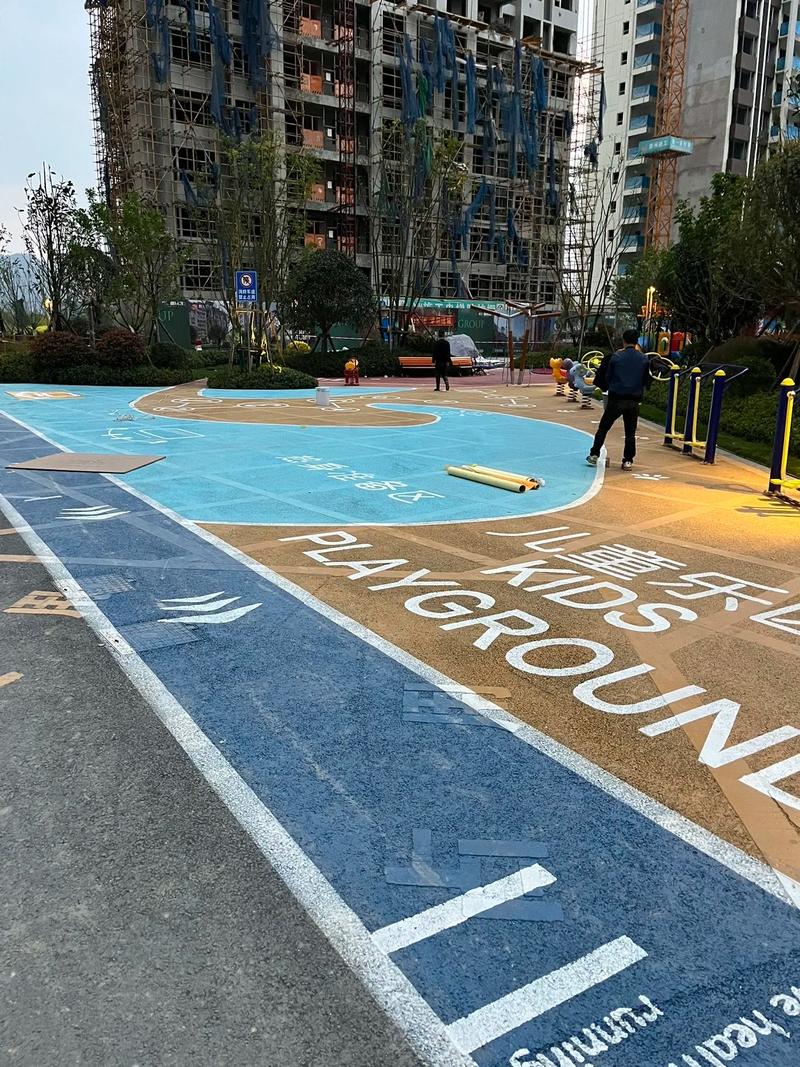
EPDM rubber granules are widely used in modern sports flooring, playground surfaces, running tracks, and recreational areas.
Known for their elasticity, weather resistance, color stability, and durability, EPDM granules are an important material for creating comfortable and resilient outdoor surfaces.
EPDM stands for Ethylene Propylene Diene Monomer, a synthetic rubber known for its excellent resistance to UV radiation, ozone, moisture, and temperature changes.
When properly processed and installed, EPDM rubber granules can provide a durable and attractive surface for a wide range of sports and recreational applications.
EPDM rubber granules are small particles made from EPDM synthetic rubber.
They are manufactured by processing EPDM rubber compounds into granules with controlled particle sizes.
Unlike smooth plastic pellets, high-quality EPDM granules generally have irregular or chipped shapes and a rubber-like textured surface.
Depending on the application, EPDM granules can be supplied in different particle sizes and colors.
Common colors include:
Red
Green
Blue
Yellow
Orange
Grey
Black
Custom colors
The selection of particle size and color depends on the flooring design, construction method, and performance requirements.
EPDM granules provide several important properties that make them suitable for sports surfaces.
One of the main advantages of EPDM rubber is its elasticity.
The rubber particles can deform under pressure and recover their original shape after the load is removed.
This property helps create a more resilient surface for activities involving running, jumping, and repeated impact.
Outdoor sports flooring is exposed to sunlight, rain, humidity, and temperature fluctuations.
EPDM rubber has good resistance to UV radiation, ozone, moisture, and weathering.
This makes it suitable for outdoor applications where conventional materials may deteriorate more quickly.
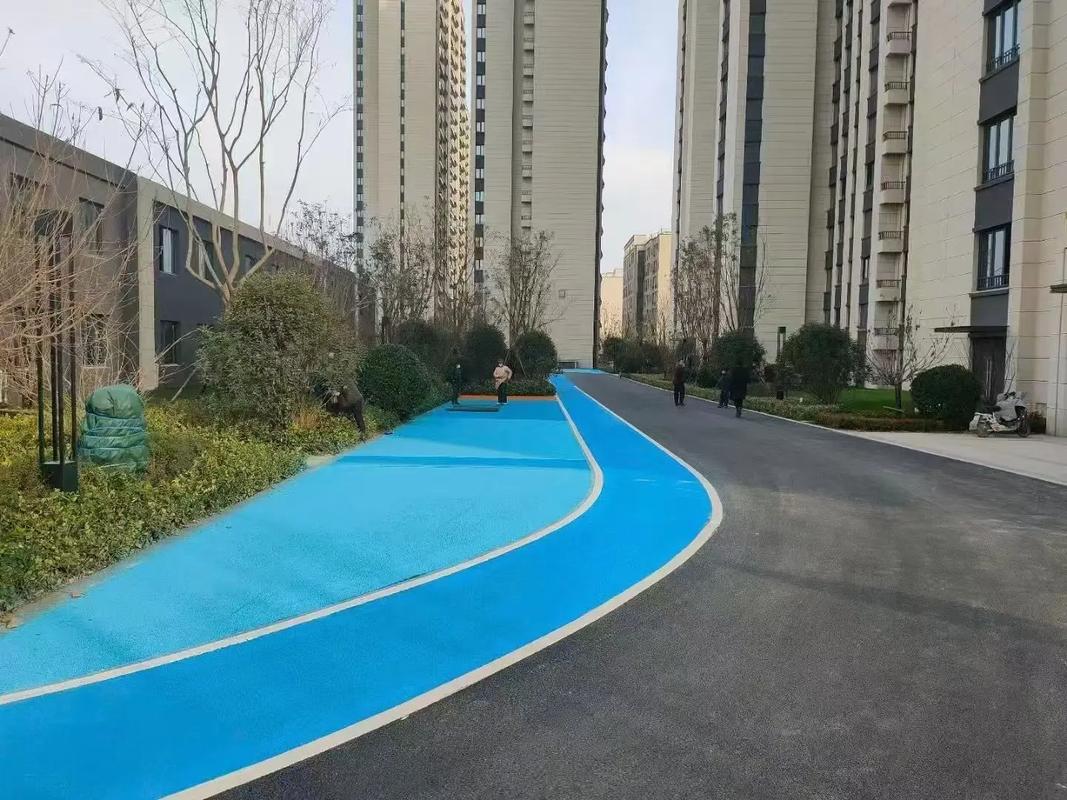
EPDM granules are available in a wide range of colors.
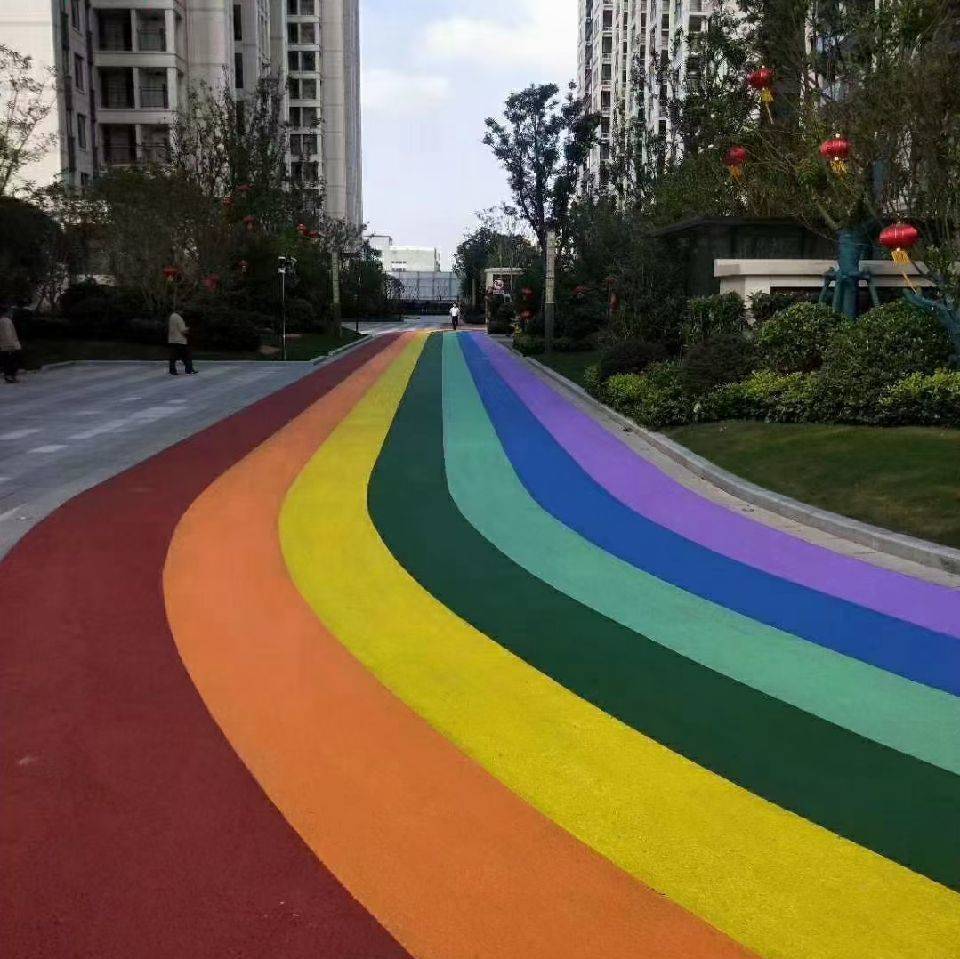
High-quality colored EPDM can help create vibrant sports surfaces and attractive playground designs.
Color selection can also be used to divide different functional areas or create customized patterns and logos.
EPDM rubber is designed to withstand repeated mechanical stress.
When properly installed, EPDM granules can contribute to a durable flooring system capable of handling frequent use.
EPDM granules are used in many sports and recreational environments.
EPDM rubber granules are widely used as the surface layer of synthetic running tracks.
They can be combined with polyurethane binder to create a resilient and wear-resistant track surface.
Different particle sizes and colors may be selected according to the running track system.
EPDM granules can also be used in outdoor basketball court surfaces.
They can contribute to elasticity, surface texture, and visual appearance.
Colored granules can be used to create different playing zones and decorative designs.
Playgrounds require surfaces that provide a degree of cushioning and comfort.
EPDM granules can be used in rubber playground systems to create resilient surfaces.
The required thickness should be determined according to the playground design, fall-height requirements, substrate, and applicable safety standards.
EPDM rubber flooring is also used for outdoor walking paths, fitness areas, community recreation facilities, and other public spaces.
The material can provide a comfortable surface while offering a wide range of design possibilities.
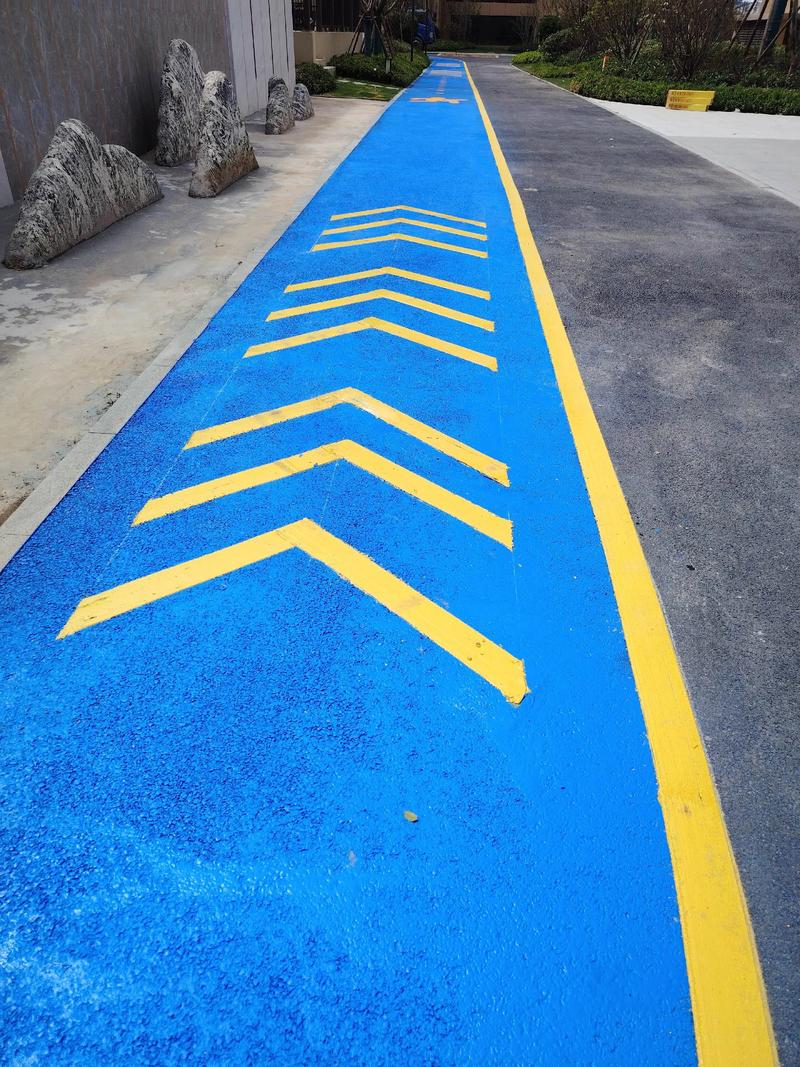
Particle size is an important factor when selecting EPDM granules.
Common sizes may include:
0.5–1.5 mm
1–2 mm
1–3 mm
1–4 mm
2–4 mm
3–5 mm
The actual available sizes vary between manufacturers.
Smaller granules can create a finer surface texture, while larger granules may provide a more pronounced rubber texture.
The correct size depends on the flooring system and installation method.
For this reason, buyers should select particle size according to the complete system rather than choosing granules based only on appearance.
One of the most common combinations in sports flooring is EPDM rubber granules and PU binder.
The EPDM granules provide the physical rubber structure, while the PU binder acts as the adhesive that bonds the particles together.
The performance of the finished surface depends on the interaction between these two materials.
Important factors include:
Granule quality
Particle size
Particle shape
Binder quality
Binder dosage
Mixing uniformity
Installation thickness
Substrate preparation
Curing conditions
The correct binder-to-granule ratio is especially important.
Insufficient binder may result in loose particles and weak bonding, while excessive binder may affect surface texture, elasticity, and project cost.
Professional installation should therefore follow the manufacturer's technical recommendations.
Not all rubber granules have the same performance.
When purchasing EPDM granules, buyers should consider several factors.
The quality of the EPDM compound has a direct influence on durability, elasticity, and weather resistance.
Buyers should ask suppliers about the raw material composition and manufacturing process.
For colorful sports flooring and playgrounds, resistance to fading is an important consideration.
High-quality colored EPDM granules should maintain their appearance under outdoor exposure.
Particle shape can influence the appearance and texture of the finished surface.
Natural irregular or chipped particles are commonly preferred for certain sports flooring applications.
Consistent particle size helps improve mixing, application, and surface uniformity.
A reliable manufacturer should provide clear particle size specifications.
For outdoor applications, buyers should pay particular attention to resistance to UV radiation, ozone, moisture, and temperature changes.
EPDM and recycled rubber granules are both used in sports flooring, but they have different characteristics.
Recycled rubber granules are often produced from recycled tires and are commonly used as resilient base materials.
EPDM granules are synthetic rubber particles designed for applications where color, weather resistance, and surface appearance are important.
In some flooring systems, recycled rubber can be used as the underlying elastic layer, while EPDM granules are used as the visible surface layer.
This combination can provide a balance between performance, appearance, and project cost.
The appropriate material depends on the design and technical requirements of the flooring system.
Proper installation is essential for achieving the expected performance of EPDM flooring.
Before installation, the substrate should be clean, stable, dry, and properly prepared.
EPDM granules should be mixed evenly with the recommended PU binder.
The mixture is then spread and leveled according to the specified thickness.
The surface should be protected during the curing period.
For outdoor applications, weather conditions such as temperature, humidity, and rainfall should be considered during construction.
After installation, regular cleaning and inspection can help extend the service life of the surface.
Dust, leaves, mud, and other debris should be removed regularly.
The surface should also be checked for loose particles, cracks, damage, or drainage problems.
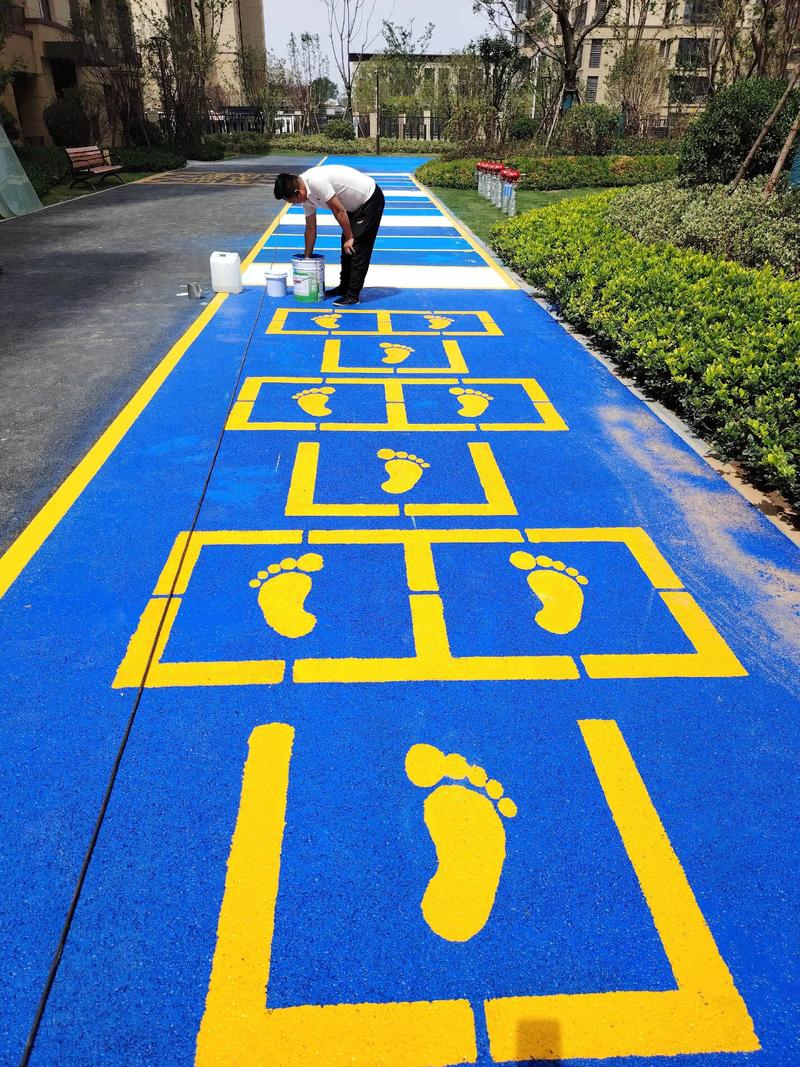
For commercial and international sports flooring projects, supplier selection is important.
A professional EPDM rubber granules manufacturer should be able to provide:
Particle size options
Color options
Technical specifications
Raw material information
Packaging options
Sample products
Quality control information
Recommended applications
Technical support
For large projects, suppliers should also be able to provide consistent color and particle size across different production batches.
This is particularly important for sports facilities where large surface areas require uniform appearance.
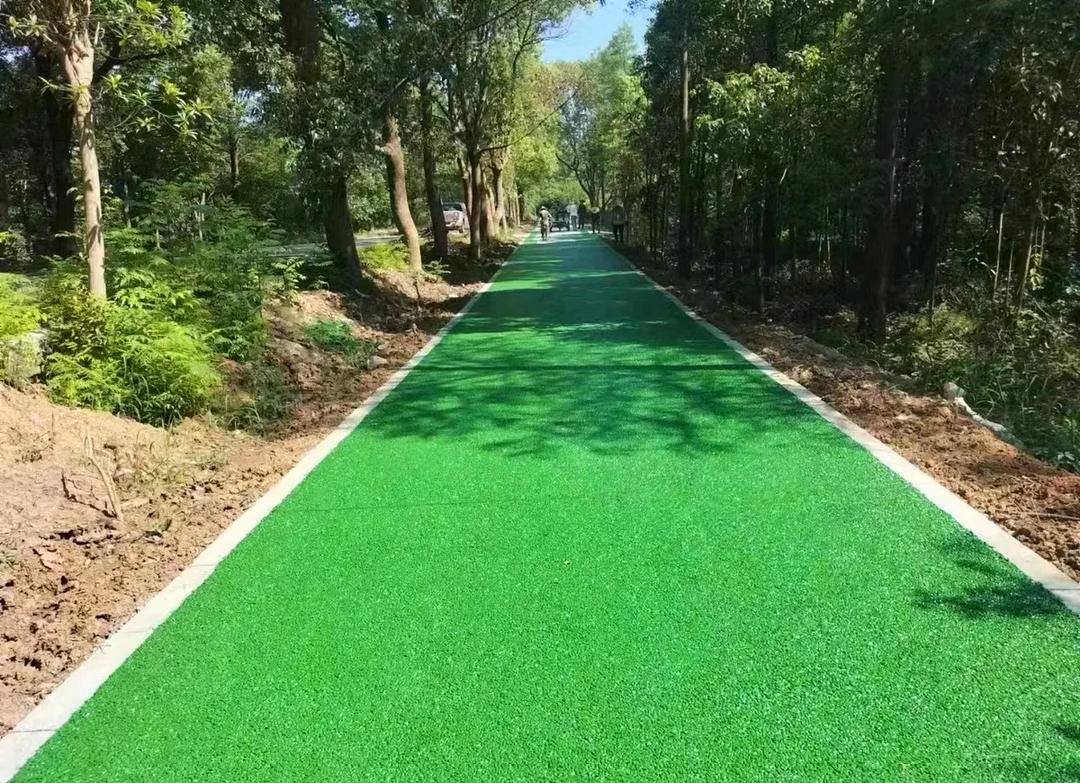
EPDM rubber granules are an important material for modern sports flooring, playgrounds, running tracks, basketball courts, and recreational surfaces.
Their elasticity, weather resistance, durability, color options, and design flexibility make them suitable for a wide range of indoor and outdoor applications.
When selecting EPDM granules, buyers should look beyond color and price.
Raw material quality, particle size, particle shape, color stability, weather resistance, binder compatibility, and installation requirements all influence the final performance of the flooring system.
For professional projects, high-quality EPDM rubber granules should be combined with a suitable PU binder and installed according to the manufacturer's technical recommendations.
With the right materials, professional installation, and regular maintenance, EPDM rubber flooring can provide a durable, comfortable, and visually attractive surface for sports and recreational facilities.


