


Views: 0 Author: Site Editor Publish Time: 2026-10-24 Origin: Site


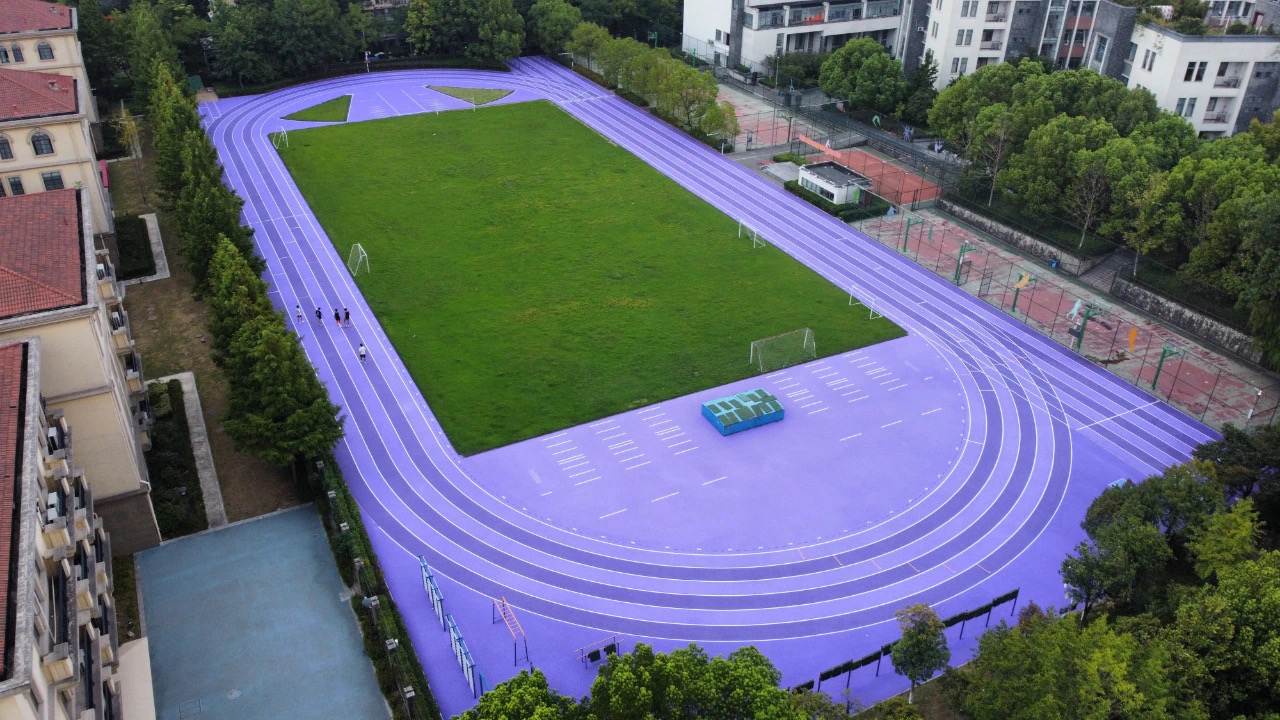
EPDM rubber playground surfaces are widely used in kindergartens, schools, public parks, childcare centers, and recreational facilities. Made with EPDM rubber granules and a suitable polyurethane binder, these surfaces provide a colorful, resilient, and seamless flooring option for outdoor play areas.
However, even a well-installed playground surface requires regular maintenance to preserve its appearance and usability. Dirt buildup, poor drainage, loose granules, surface cracks, and adhesive failure can affect the long-term condition of rubber playground flooring.
For playground owners, facility managers, contractors, and material buyers, understanding how to maintain EPDM rubber playground surfaces can help reduce repair costs and extend the service life of the installation.
This guide explains practical maintenance methods, common problems, and preventive measures for EPDM playground flooring.
Regular cleaning is one of the simplest ways to maintain EPDM rubber playground flooring. Dust, leaves, mud, food residues, and other debris can accumulate on the surface, especially in outdoor environments.
If these materials are not removed, they may affect the appearance of the playground and contribute to slippery conditions when combined with moisture.
Sweep the surface: Remove leaves, dust, and loose debris using a soft broom or suitable outdoor cleaning equipment.
Rinse with clean water: Use a garden hose or low-pressure water spray to remove everyday dirt.
Use mild cleaning solutions: For stubborn stains, use a mild detergent compatible with rubber surfaces and rinse thoroughly.
Remove organic debris promptly: Clear fallen leaves and other organic materials before they accumulate or decompose.
Allow proper drying: Check that water drains away effectively and that the surface dries under normal site conditions.
Avoid aggressive solvents, strong chemical cleaners, and abrasive tools unless the flooring manufacturer confirms they are suitable. High-pressure washing should also be used cautiously because excessive pressure may damage weak areas or loosen poorly bonded granules.
A consistent cleaning schedule helps maintain the appearance and cleanliness of EPDM rubber playground surfaces.
Small surface defects can become more serious if they are ignored. Regular inspections help identify early signs of wear, bonding problems, and installation defects.
When inspecting EPDM playground flooring, pay attention to the following areas:
Loose rubber granules: Check whether granules are coming away from the surface or can be easily dislodged.
Cracks and splits: Look for visible openings, particularly around joints, edges, corners, and transitions.
Peeling or delamination: Check whether the rubber layer is separating from the underlying base.
Uneven or sunken areas: Look for depressions that may indicate drainage issues or movement in the substrate.
Damaged edges: Inspect areas around playground equipment, curbs, drains, and adjoining surfaces.
Documenting defects with photographs can help facility managers compare changes over time and arrange repairs before damage spreads.
If the playground is used frequently, inspections should be performed regularly, with additional checks after severe weather or other events that may affect the surface.
Poor drainage is a common concern for outdoor EPDM rubber playground surfaces. Standing water can make a playground temporarily unusable and may expose existing weaknesses in the flooring system.
Water pooling can result from an uneven substrate, blocked drains, insufficient surface slope, or damage to the installed flooring.
Keep drains clear. Remove leaves, soil, and debris from drainage channels and nearby outlets.
Check the surface after rainfall. Observe whether water drains away within a reasonable period under the site's expected conditions.
Inspect low spots. Repeated water accumulation in the same location may indicate an uneven base or localized settlement.
Protect the underlying foundation. Proper substrate preparation and drainage design are essential before installing EPDM rubber flooring.
Repair damaged areas promptly. Cracks and openings should be assessed to determine whether water is entering the flooring system.
EPDM granules alone do not guarantee effective drainage. The drainage performance of the finished surface depends on the complete system, including the granule structure, binder, installation method, substrate, and site design.
For new projects, contractors should confirm the required drainage arrangements before installing the rubber surface.
Loose granules and peeling are among the most noticeable problems in poured-in-place rubber playground flooring.
The condition of the polyurethane binder is an important factor in the strength of the bonded rubber layer. However, granule loss can also be associated with incorrect mixing, unsuitable materials, inadequate compaction, poor substrate preparation, or insufficient curing.
Incorrect EPDM granule-to-binder ratio.
Inadequate mixing that leaves some granules poorly coated.
Use of a binder that is incompatible with the rubber granules or application conditions.
Moisture or contamination affecting bonding during installation.
Poorly prepared or unstable substrates.
Insufficient curing before the playground is opened to use.
Use EPDM rubber granules and polyurethane binder designed to work together in the intended flooring system. Follow the supplier's recommended mixing ratio, mixing procedure, installation conditions, and curing requirements.
During installation, ensure that the granules are distributed evenly and that the mixture is compacted according to the system specifications.
After installation, allow the surface to cure fully before opening the playground to children or exposing it to heavy use.
If granules begin to detach, do not simply apply additional binder over the affected area without investigating the cause. The correct repair method depends on the depth and extent of the damage, the condition of the existing material, and the compatibility of the repair products.
Outdoor playground surfaces are exposed to sunlight, rain, heat, and seasonal temperature changes. These environmental conditions can influence the appearance and performance of the installed flooring.
EPDM rubber granules are available in different colors and formulations. Their resistance to fading and weathering depends on the quality of the raw materials, pigments, binder system, and installation conditions.
Polyurethane binders may also respond differently to ultraviolet exposure. For example, some aromatic polyurethane systems can yellow more noticeably than aliphatic systems.
Select EPDM granules with suitable color and weathering characteristics for the project.
Choose a compatible binder system appropriate for the expected exposure conditions.
Follow the manufacturer's recommendations for installation in hot, humid, or rainy weather.
Remove standing water and organic debris to avoid unnecessary surface deterioration.
Inspect areas exposed to intense sunlight and heavy use for changes in color, cracking, or bonding.
In hot climates, surface temperatures can become significantly higher than air temperatures. Site owners should consider shade, suitable material selection, and local playground safety requirements when planning outdoor installations.
Routine maintenance cannot completely prevent natural aging, but appropriate material selection and correct installation can help reduce avoidable deterioration.
Cracks often appear first in areas exposed to concentrated stress or movement. These locations include the edges of slides, climbing structures, equipment anchors, curbs, drainage channels, and transitions between different flooring materials.
The underlying cause may involve substrate movement, insufficient base preparation, poor detailing, or repeated mechanical stress.
To reduce the risk of cracking:
Prepare a stable substrate before installing the rubber surface.
Follow the specified installation details around equipment bases and edges.
Avoid dragging heavy equipment across the finished flooring.
Inspect high-traffic areas for early signs of splitting or deformation.
Repair small defects before water or repeated movement causes further damage.
If cracks reappear after repair, the underlying cause should be investigated. Applying a patch without correcting substrate movement or another structural issue may only provide a temporary solution.
The appropriate repair method depends on the type of damage and the construction of the existing flooring system.
| Common problem | Possible cause | Recommended action |
|---|---|---|
| Loose granules | Poor bonding, wear, or unsuitable mixing | Assess the affected area and use a compatible repair system |
| Surface cracks | Substrate movement, aging, or stress | Determine the cause before repairing |
| Peeling rubber layer | Bonding failure or substrate problems | Remove or repair the affected section as specified by the repair system |
| Water pooling | Blocked drainage or uneven base | Clear drainage routes and investigate the underlying level |
| Color fading | UV exposure and natural aging | Evaluate the material condition and consult the supplier |
| Localized sinking | Substrate settlement or base failure | Investigate and correct the underlying problem before resurfacing |
Before beginning repairs, identify the original granule type, binder system, and installation method whenever possible.
The replacement materials should be compatible with the existing surface. Differences in color, particle size, texture, and binder formulation may make repaired areas visually distinct from the surrounding flooring.
For extensive delamination, recurring cracks, or significant settlement, a professional assessment may be necessary.
After repairs, follow the repair product's curing instructions and keep the affected area closed until it is safe to reopen.
A written maintenance plan helps facility managers identify problems early and keep maintenance activities consistent.
The following schedule is a practical starting point. Actual inspection frequency should be adjusted according to playground usage, climate, manufacturer guidance, and applicable safety requirements.
| Frequency | Maintenance task |
|---|---|
| Daily or as needed | Remove visible debris, food waste, and other potential hazards |
| Weekly | Clean frequently used areas and check for visible surface damage |
| Monthly | Inspect edges, joints, drainage points, and areas around playground equipment |
| After heavy rainfall | Check for water pooling, erosion, or newly exposed defects |
| Seasonally | Conduct a more comprehensive inspection of weathering, cracking, and granule loss |
| As required | Arrange repairs and verify that repaired areas have cured before reopening |
Maintenance records should include inspection dates, photographs, defect locations, repair details, and follow-up observations.
This information can help identify recurring problems and support more informed decisions about future maintenance or resurfacing.
Maintenance begins before the playground is installed. Material selection, system compatibility, and installation quality all influence the long-term condition of EPDM rubber playground surfaces.
When sourcing materials for a playground project, buyers and contractors should evaluate the following factors.
EPDM rubber granules: Check particle size, color consistency, intended application, and relevant quality specifications.
Polyurethane binder: Confirm compatibility with the selected EPDM granules, the intended application layer, and the project's environmental conditions.
Installation guidance: Obtain clear instructions covering mixing ratios, working conditions, application methods, and curing requirements.
Technical documentation: Request available technical data sheets, safety data sheets, and relevant test reports to support material evaluation.
Supplier support: Work with a supplier that can provide product information and technical assistance when installation or maintenance questions arise.
Selecting appropriate materials and following the recommended installation process can help reduce avoidable problems and make future maintenance more manageable.
Maintaining EPDM rubber playground surfaces requires regular cleaning, routine inspections, effective drainage, timely repairs, and suitable material selection.
Common problems such as loose granules, cracking, peeling, water pooling, and color fading can often be managed more effectively when their causes are identified early. However, maintenance alone cannot correct every installation defect or underlying substrate problem.
For long-lasting results, playground owners and contractors should combine a consistent maintenance schedule with correct installation practices and compatible EPDM granules and polyurethane binder.
Baoli Technology supplies EPDM rubber granules and polyurethane binder for sports surfaces and playground flooring applications. For your next playground project, selecting materials suited to the intended application and following the recommended installation procedures are important steps toward maintaining a reliable rubber flooring system.
Contact Baoli Technology to discuss EPDM granule and PU binder options for your playground flooring project.


