

Views: 0 Author: Site Editor Publish Time: 2026-10-23 Origin: Site
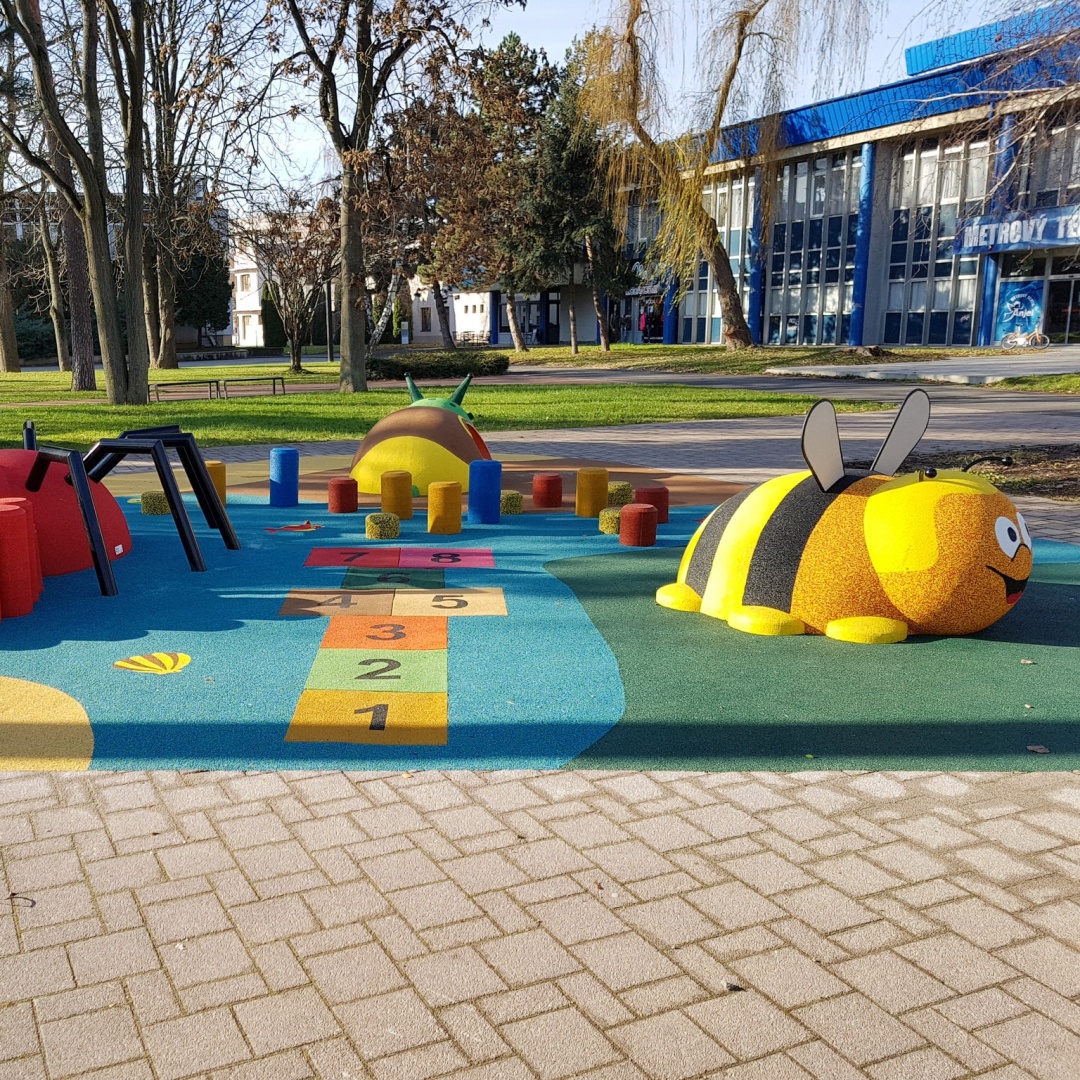
Choosing the best playground flooring for hot climates requires more than selecting colorful and durable materials. In regions with high temperatures, strong sunlight, and intense UV exposure, playground surfaces must withstand harsh weather conditions while providing a comfortable and safe environment for children.
For playground contractors, developers, schools, and material distributors, understanding the differences between playground flooring options is essential for making informed purchasing decisions.
This guide explains the key factors to consider when selecting playground flooring for hot climates, compares common materials, and explores why EPDM rubber granules are a popular option for outdoor playground projects.
High temperatures can affect playground surfaces in several ways. Before selecting a flooring system, buyers should understand the challenges associated with hot climates.
Playground flooring exposed to direct sunlight can become significantly hotter than the surrounding air. Dark colors and certain materials may absorb more solar energy, potentially increasing the risk of discomfort or contact burns.
However, surface temperature depends on several factors, including material composition, color, solar exposure, airflow, and installation conditions. No playground flooring material should automatically be considered cool under direct sunlight.
Strong ultraviolet radiation can gradually affect the appearance and performance of outdoor flooring. Some materials may fade, discolor, or become brittle if they are not formulated for outdoor exposure.
For colorful playgrounds, buyers should evaluate UV resistance, color stability, and the suitability of the complete flooring system for the local climate.
Repeated heating and cooling can place stress on playground flooring and its underlying structure. Poor material selection, inadequate surface preparation, or unsuitable installation methods may contribute to cracking, separation, or other surface defects.
A flooring system designed for outdoor use can help reduce these risks when it is correctly specified and installed.
Outdoor playgrounds in hot climates may experience dust accumulation, heavy rainfall, humidity, and intensive daily use. Buyers should consider cleaning requirements, repair methods, and long-term maintenance costs before choosing a material.
Different playground flooring materials offer different advantages. The best choice depends on the project budget, climate conditions, safety requirements, and intended use.
EPDM rubber flooring is a popular option for outdoor playgrounds, kindergartens, recreational areas, and public parks.
In a poured-in-place system, EPDM rubber granules are mixed with a suitable polyurethane binder and installed over a properly prepared base. The finished surface can provide a continuous, colorful appearance with no loose granules under normal installation conditions.
Key advantages include:
Color flexibility: EPDM granules are available in various colors, allowing contractors to create patterns, play zones, and decorative designs.
Outdoor durability: Appropriately selected EPDM materials can offer good resistance to weathering and UV exposure.
Seamless-looking finish: Correctly installed poured-in-place rubber flooring can create a continuous surface.
Design versatility: EPDM flooring can be used in playgrounds, schoolyards, walking paths, and recreational spaces.
Repair flexibility: Localized damage may be repairable, depending on the flooring system and the condition of the surrounding surface.
Nevertheless, EPDM rubber flooring is not automatically cool under direct sunlight. Its surface temperature depends on the color, formulation, thickness, environmental conditions, and amount of shade.
Buyers should also confirm that the complete flooring system meets the project's impact attenuation, slip resistance, and applicable safety requirements.
Poured-in-place rubber flooring is an installation system rather than a single material. It commonly combines rubber granules with a polyurethane binder and is applied directly to a prepared base.
This system is suitable for projects requiring a continuous surface, custom colors, and flexible design options.
For hot climates, buyers should pay attention to binder selection, substrate preparation, curing conditions, and the manufacturer's installation recommendations. High temperatures can affect working time and curing behavior, so the installation schedule must account for local weather.
The final surface temperature should also be considered, especially in playgrounds exposed to direct afternoon sunlight.
Rubber playground tiles are prefabricated products that can be installed over a suitable base. They may offer relatively straightforward replacement when individual tiles are damaged.
However, buyers should evaluate joint stability, drainage, dimensional stability, and the potential for heat-related expansion. The performance of the tiles depends on their composition, manufacturing quality, and installation method.
Rubber tiles may be appropriate for smaller playgrounds or projects where modular replacement is a priority.
Artificial turf can create a grass-like appearance and is used in some playground and recreational applications.
In hot, sunny conditions, however, artificial turf can become very hot. Its surface temperature may exceed that of natural grass by a considerable margin, depending on the product and environmental conditions.
Buyers should evaluate heat exposure, drainage, infill composition, maintenance requirements, and the suitability of the product for children's play areas.
Artificial turf should not be assumed to provide a cooler playground surface simply because it looks like grass.
Natural grass provides a familiar outdoor environment and may remain relatively comfortable when adequately watered and shaded.
Its limitations include irrigation requirements, seasonal changes, muddy areas, uneven surfaces, and the need for regular maintenance. Grass alone may also be unsuitable where consistent impact protection is required beneath certain play equipment.
For hot climates, the decision should account for water availability, local growing conditions, expected foot traffic, and playground safety requirements.
Selecting the right playground flooring involves evaluating the complete system rather than comparing material names alone.
Surface temperature is one of the most important considerations in hot regions.
When comparing samples, buyers should request information about the material's thermal behavior and, where possible, evaluate representative samples under comparable outdoor conditions.
Consider the following factors:
Color and solar reflectance
Direct sunlight exposure
Availability of shade structures and trees
Time of day when children typically use the playground
Local climate and seasonal temperature patterns
Lighter colors may absorb less solar energy than darker colors in otherwise comparable conditions, but color alone cannot guarantee a cooler surface.
For playgrounds in tropical and desert climates, shade planning should be part of the overall design rather than an afterthought.
Strong sunlight can gradually change the appearance of outdoor flooring. Buyers should ask manufacturers for relevant UV-resistance or weathering test data.
For EPDM playground flooring, consider both the rubber granules and the binder used to bond them together.
The selected materials should be suitable for the expected exposure conditions. Color stability also depends on pigment quality, material formulation, installation, and maintenance.
Request product samples and technical documentation before placing a large order.
A playground surface must be evaluated according to the height and type of play equipment installed above it.
Impact attenuation is not determined by the material name alone. It depends on the complete flooring system, including its thickness, composition, base, and installation quality.
Buyers should confirm that the proposed system meets applicable playground safety standards and critical fall-height requirements for the intended equipment.
Slip resistance, drainage, accessibility, and surface continuity should also be considered.
Do not assume that a soft-looking surface automatically provides adequate fall protection.
Hot climates may also experience heavy rain, high humidity, or seasonal storms.
A playground flooring system should be designed to manage water appropriately. Buyers should check the drainage characteristics of the surface and the underlying base.
For poured-in-place EPDM flooring, the installation design should account for the selected system's permeability or drainage arrangement, substrate slope, and local rainfall conditions.
Good drainage can help reduce standing water and support easier maintenance. However, drainage performance depends on the entire construction, not just the rubber granules.
For poured-in-place rubber playground flooring, EPDM granules and polyurethane binder must be compatible with one another.
An unsuitable binder, incorrect mixing ratio, or poor installation technique may lead to weak bonding, loose granules, or premature surface deterioration.
Before purchasing, buyers should confirm:
Whether the EPDM granules are suitable for the intended outdoor application
Whether the binder is compatible with the selected rubber material
The recommended mixing ratio and installation method
The appropriate working and curing conditions
The manufacturer's technical specifications and quality documentation
The correct material combination is especially important when projects are installed under high ambient temperatures.
Even high-quality materials can perform poorly if installed incorrectly.
In hot climates, installation teams should follow the manufacturer's recommendations for material storage, mixing, application, and curing.
Direct sunlight and high substrate temperatures may shorten working time or change curing behavior. Rain, humidity, and inadequate substrate preparation can create additional problems.
Buyers should select experienced contractors who understand the specific requirements of the chosen flooring system.
The cheapest flooring material is not necessarily the most economical choice over its service life.
A realistic comparison should include:
Material purchase cost
Shipping and import expenses
Base preparation
Installation labor and equipment
Maintenance and cleaning
Expected repair requirements
Replacement costs over time
For contractors and distributors, material consistency and dependable supply are also important because they can affect installation efficiency and project scheduling.
EPDM rubber granules are widely used as a raw material for colorful poured-in-place playground surfaces.
For buyers sourcing materials for outdoor projects, EPDM offers several practical advantages when the product is appropriately formulated and installed.
Flexible color selection
EPDM granules are available in a range of colors. Contractors can combine different colors to create playground designs, educational patterns, and clearly defined activity areas.
Suitability for outdoor applications
Outdoor-grade EPDM materials can provide good weathering and UV resistance. Buyers should verify the specific grade and supporting test data rather than relying on general material descriptions.
Compatibility with poured-in-place systems
EPDM granules can be combined with a compatible polyurethane binder to produce a bonded rubber surface. The required ratio, binder type, and installation method should follow the supplier's technical guidance.
Multiple application scenarios
EPDM rubber granules can be used in suitable flooring systems for playgrounds, kindergartens, schoolyards, recreational areas, and selected walking paths.
Flexible project planning
Contractors and distributors can select granule colors and specifications according to project requirements, subject to product availability and the manufacturer's capabilities.
It is important to remember that EPDM granules are only one component of the finished surface. Heat behavior, impact protection, durability, and drainage depend on the complete system and its installation.
Different regions face different combinations of heat, humidity, rainfall, and sunlight.
In tropical regions, high humidity and heavy rainfall may be just as important as high temperatures.
Buyers should prioritize appropriate drainage, binder compatibility, weather resistance, and installation practices suitable for local humidity conditions.
Desert regions may experience intense sunlight, high daytime temperatures, and substantial temperature differences between day and night.
UV resistance, thermal exposure, material storage, and installation timing deserve particular attention. Shade structures can also improve the usability of exposed playgrounds.
Coastal projects may combine strong sunlight with humidity, rain, and airborne salt.
Buyers should assess the suitability of the complete flooring system for these conditions, including the stability of the base and the resistance of relevant components to the local environment.
Across all three climates, product selection should be based on verified specifications and actual site conditions.
Before purchasing EPDM rubber granules or a complete playground flooring system, buyers should clarify the following points with their suppliers.
Are the materials designed for outdoor playground applications?
What technical data is available for UV resistance and weathering?
Are the EPDM granules and polyurethane binder compatible?
What mixing ratio and installation conditions are recommended?
What impact attenuation or critical fall-height test data is available for the complete system?
How should the surface be maintained in hot, sunny, or humid conditions?
What colors, packaging options, and order quantities are available?
Can the supplier provide technical documentation and installation guidance?
For larger projects, buyers should also request samples and confirm that the supplied material matches the approved specifications.
The best playground flooring for hot climates is the material system that balances surface temperature, UV resistance, impact protection, drainage, durability, installation requirements, and long-term cost.
EPDM rubber flooring is a strong option for projects that require colorful, bonded rubber surfaces and flexible design possibilities. However, it should not be treated as a guaranteed cool-surface solution. Proper shade planning, suitable material selection, and correct installation remain essential.
For playground contractors, distributors, and project developers, working with a reliable material supplier can help ensure that EPDM granules and polyurethane binders are selected according to the project's actual requirements.
Baoli Technology supplies EPDM rubber granules and polyurethane binder materials for sports and recreational flooring applications. Contact our team to discuss material specifications, color options, and suitable product combinations for your next playground project.
EPDM rubber flooring, rubber tiles, artificial turf, and natural grass may all be suitable for specific projects. The best choice depends on surface temperature, safety requirements, climate, maintenance needs, and budget.
Yes. EPDM rubber flooring can become hot when exposed to direct sunlight. Its surface temperature depends on factors such as color, formulation, solar exposure, and ambient conditions. Shade and appropriate site design can help reduce direct solar exposure.
Outdoor-grade EPDM rubber granules are commonly used in poured-in-place playground flooring. Buyers should confirm the material's weathering performance, binder compatibility, and the safety performance of the complete installed system.
Important considerations include outdoor suitability, UV resistance, color stability, particle specifications, binder compatibility, installation requirements, technical documentation, and consistent product quality.
Shade structures, trees, appropriate material and color selection, and sensible scheduling of playground use can help improve comfort. Surface temperature should be evaluated under realistic site conditions rather than assumed from the material name alone.


