

Views: 0 Author: Site Editor Publish Time: 2026-10-22 Origin: Site
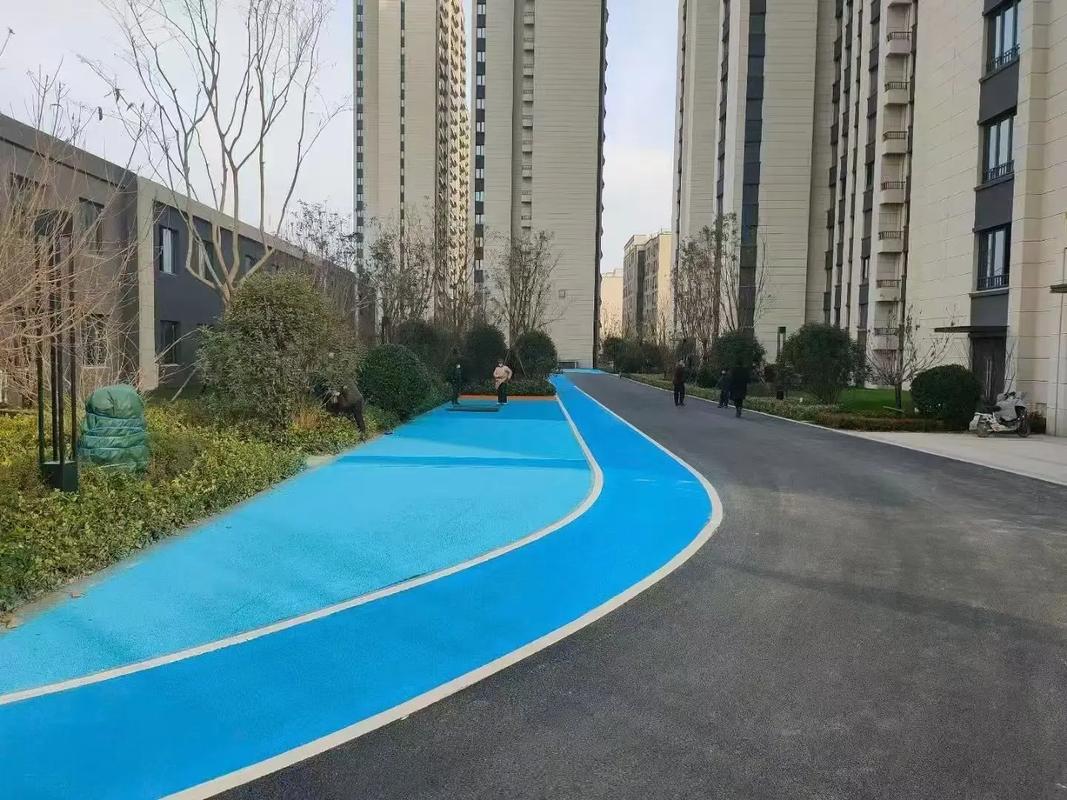
Choosing the right PU binder is essential for achieving a durable, flexible, and reliable EPDM playground flooring system. Even when high-quality EPDM rubber granules are used, an unsuitable polyurethane binder may lead to weak bonding, loose granules, surface cracking, or premature wear.
For playground contractors, flooring installers, distributors, and project developers, selecting the right PU binder for EPDM playground flooring requires more than comparing prices. Buyers should consider the binder type, compatibility with rubber granules, weather conditions, application method, curing time, and long-term maintenance requirements.
This guide explains how to choose a suitable polyurethane binder for EPDM playground flooring projects and what to check before placing an order.
EPDM playground flooring is commonly produced by mixing EPDM rubber granules with polyurethane binder and applying the mixture over a properly prepared base. The binder holds the granules together, helping create a continuous, resilient surface.
A suitable PU binder can help provide:
Reliable bonding: Keeps EPDM rubber granules connected and reduces the risk of loose particles.
Surface flexibility: Helps the flooring system accommodate normal movement and deformation.
Wear resistance: Supports the durability of the finished surface under regular foot traffic and playground activities.
Weather suitability: Helps the installed surface perform under the environmental conditions for which the binder is designed.
Consistent installation: Makes it easier for contractors to achieve a uniform mixture and a stable finished surface when the product is used correctly.
The final performance of EPDM playground flooring depends on several factors, including binder quality, rubber granule quality, mixing proportions, substrate preparation, installation conditions, and curing.
Therefore, selecting the right PU binder for EPDM rubber granules is an important step in the overall flooring system.
One of the first decisions when purchasing polyurethane binder is whether to use an aromatic or aliphatic formulation.
These two types differ mainly in their resistance to ultraviolet radiation and their suitability for different surface applications.
Aromatic PU binder is commonly used in EPDM flooring systems, particularly in applications where cost efficiency is an important consideration.
Potential advantages include:
Cost-effective material selection
Suitability for many EPDM rubber granule bonding applications
Availability in formulations designed for different installation requirements
However, aromatic polyurethane generally has lower UV color stability than aliphatic polyurethane. When exposed to sunlight, some aromatic binders may yellow or change color over time.
This is especially important when the playground uses bright red, blue, green, or yellow EPDM granules and the appearance of the finished surface is a priority.
Aliphatic PU binder is commonly selected when better resistance to UV-related discoloration is required.
Potential advantages include:
Better color stability under outdoor sunlight exposure
Suitability for applications where long-term surface appearance matters
Compatibility with certain outdoor EPDM flooring systems, depending on the formulation
Aliphatic binders may cost more than comparable aromatic products. Buyers should evaluate whether the improved color stability justifies the additional material cost for their particular project.
| Selection factor | Aromatic PU binder | Aliphatic PU binder |
|---|---|---|
| Material cost | Generally lower | Generally higher |
| UV color stability | Generally lower | Generally higher |
| Typical consideration | Budget and bonding requirements | Outdoor color stability |
| Project suitability | Depends on the application | Depends on the application |
These are general characteristics, not guarantees for every product. Always check the manufacturer's technical data sheet and confirm that the specific binder is designed for your intended EPDM flooring system.
Not every polyurethane binder is suitable for every rubber granule formulation.
Before purchasing PU binder for EPDM playground flooring, confirm that the product is specifically intended for bonding EPDM granules in the proposed installation system.
Important compatibility factors include:
Granule type: Confirm whether the binder is suitable for the EPDM granules you intend to use, including the required particle size and application.
Granule color: If the playground uses multiple colors, check whether the binder is appropriate for the selected surface design and color requirements.
Application layer: Some formulations are designed for base layers, while others are intended for surface applications. Confirm the intended use rather than assuming that one binder works for every layer.
Mixing requirements: Follow the manufacturer's recommended binder-to-granule ratio. The correct proportion depends on the specific products, granule size, and installation method.
Moisture sensitivity: Many conventional polyurethane binders react with moisture. Excessive moisture in the materials, substrate, or working environment may affect application and curing.
Before full installation, contractors should conduct a small trial mixture to evaluate workability, coating of the granules, and the appearance of the cured surface.
Environmental conditions can significantly affect the installation and performance of EPDM playground flooring.
When selecting a PU binder for outdoor playground flooring, consider the following factors.
In hot climates, high temperatures may shorten the working time of some polyurethane binders. The mixture may become more difficult to spread evenly if contractors cannot complete installation within the recommended application window.
Ask the supplier about the recommended application temperature, working time, and storage conditions.
High humidity and rain can create additional challenges for moisture-sensitive polyurethane products. Moisture may affect curing behavior or contribute to surface defects, depending on the formulation and application conditions.
Check the manufacturer's requirements for humidity, substrate dryness, and protection from rain during installation and curing.
For outdoor playgrounds exposed to intense sunlight, consider whether the binder provides the required UV color stability.
If maintaining the original appearance of colorful EPDM granules is important, an appropriate aliphatic binder or another manufacturer-approved UV-stable system may be worth considering.
For projects exposed to significant temperature fluctuations, evaluate the flexibility and weather resistance of the complete flooring system.
Do not assess these properties based on the binder alone. The EPDM granules, substrate, installation thickness, and overall system design also influence performance.
Viscosity and working time influence how easily contractors can mix and install EPDM playground flooring.
Viscosity affects how the binder flows and coats the rubber granules. A product that is too difficult to mix or distribute may make it harder to achieve a consistent mixture.
Working time refers to the period during which the mixed material remains suitable for installation under specified conditions.
When comparing suppliers, ask:
Is the binder suitable for manual or mechanical mixing?
What is the recommended working time at the expected installation temperature?
How should the binder be stored before use?
What mixing equipment and procedures are recommended?
How long should the installed surface be protected before use?
Working time and curing time are not the same. A binder may become difficult to work with before it has fully cured.
Select a product that matches the contractor's installation speed, project size, labor arrangements, and equipment.
The mixing ratio is one of the most important factors in EPDM flooring installation.
Using too little binder may result in insufficient bonding, loose granules, or a weak surface. Using too much binder may increase material costs and change the texture, flexibility, or appearance of the finished flooring.
The correct ratio depends on the binder formulation, granule characteristics, application layer, and manufacturer's instructions.
For example, Baoli Technology's EPDM flooring installation guidance may specify a 5:1 ratio of EPDM rubber granules to PU binder for a particular bottom-layer system. This ratio should not be treated as a universal standard for all binders or surface layers.
Before starting a project:
Confirm the recommended mixing ratio with the supplier.
Verify that the ratio applies to your selected binder and EPDM granules.
Measure materials accurately for each batch.
Mix according to the specified procedure.
Install a trial section before proceeding with the full area.
Consistent mixing helps contractors reduce material waste and achieve more predictable installation results.
The lowest-priced polyurethane binder is not necessarily the most economical choice.
When comparing PU binder suppliers for EPDM playground flooring, evaluate the total cost of achieving the required installation quality.
Consider these factors:
Price per kilogram or drum
Recommended consumption per square meter
Binder-to-granule ratio
Packaging sizes and shipping costs
Shelf life and storage requirements
Technical support and installation guidance
Product consistency between batches
For example, two binders may have different prices per kilogram but different recommended consumption rates. Comparing price alone may therefore lead to an inaccurate purchasing decision.
A better approach is to estimate the material cost per square meter using the supplier's recommended consumption rate for your particular system.
Also consider the potential costs of rework, delayed installation, and premature surface deterioration.
Reliable technical information helps buyers verify whether a binder is suitable for their project.
Before purchasing PU binder for EPDM playground flooring, request the following documents where available:
Technical Data Sheet (TDS): Provides information about product properties, recommended applications, mixing instructions, and installation conditions.
Safety Data Sheet (SDS): Describes relevant hazards, handling precautions, storage requirements, and emergency measures.
Quality documentation: Check available quality management certifications and product-specific documentation. A company-level certification does not automatically establish the performance of every product.
Application guidance: Confirm the recommended mixing ratio, curing conditions, substrate requirements, and installation procedure.
Sample or trial application: If possible, test the product with your actual EPDM granules before committing to a large order.
For playground projects, also verify that the complete installed flooring system meets the applicable impact attenuation, critical fall height, and other relevant safety requirements. A binder specification alone does not demonstrate that the finished playground surface is safe for a particular fall height.
Several purchasing and installation mistakes can affect the quality of EPDM playground flooring.
A low purchase price may not represent the lowest installed cost. Compare consumption, application requirements, and expected service conditions.
An unsuitable binder may contribute to discoloration in outdoor applications. Discuss UV exposure and appearance requirements before selecting a formulation.
Do not automatically apply the same binder-to-granule ratio to different products. Always follow the supplier's instructions for the specific system.
Installation outside the recommended environmental conditions can affect workability, curing, and final surface quality.
A small trial helps identify potential compatibility and application problems before the entire playground is installed.
Without clear technical guidance, contractors may struggle to establish suitable mixing procedures, installation conditions, and quality control standards.
Avoiding these mistakes can help buyers make more informed decisions and reduce unnecessary installation risks.
Before placing an order, ask your supplier these practical questions:
Is this PU binder specifically designed for EPDM playground flooring?
Is it aromatic or aliphatic?
What is the recommended binder-to-granule ratio for my application?
What are the recommended application temperature and humidity conditions?
What are the working time and curing requirements?
Is the formulation suitable for my climate and installation method?
What are the recommended consumption rate and packaging options?
Can you provide a TDS, SDS, and application instructions?
Can I test a sample with my EPDM rubber granules?
What technical support is available during installation?
A professional supplier should be able to explain the product's intended application and provide clear instructions for its proper use.
Choosing the right PU binder for EPDM playground flooring requires a balanced assessment of bonding performance, UV color stability, EPDM compatibility, climate conditions, working time, mixing ratio, and total installation cost.
For budget-conscious projects, an appropriate aromatic binder may be suitable when its properties meet the application requirements. For outdoor playgrounds where long-term color stability is especially important, an appropriate aliphatic binder may be worth considering.
The most reliable approach is to confirm product specifications with the manufacturer, test the binder with the intended EPDM granules, and follow the recommended installation procedure.
Baoli Technology supplies sports surface materials, including EPDM rubber granules and PU binder for rubber flooring applications. For your next playground project, contact our team to discuss your application requirements, material selection, and suitable product options.
Choose the right materials from the beginning to support a consistent installation and a durable playground flooring system.
The best PU binder depends on the project requirements, including outdoor exposure, color stability, granule compatibility, climate, and installation method. Buyers should select a formulation specifically designed for the intended EPDM flooring application.
Aromatic PU binder is generally more economical, while aliphatic PU binder generally provides better UV color stability. The appropriate choice depends on the project's budget, appearance requirements, and the manufacturer's technical specifications.
The required quantity depends on the playground area, granule size, layer thickness, application method, and recommended mixing ratio. Request the manufacturer's consumption guidance and calculate the material quantity for your specific system.
Not necessarily. Different layers or application methods may require different binder formulations. Confirm whether the product is designed for the intended layer before installation.
Select a binder suitable for the expected UV exposure, consider an appropriate aliphatic formulation when color stability is important, and follow the manufacturer's installation and maintenance recommendations. Discoloration can also depend on the rubber granules and other system components.
Request the Technical Data Sheet, Safety Data Sheet, mixing instructions, application guidance, and available quality documentation. For playground safety, also verify the performance of the complete installed flooring system against the applicable requirements.


