

Views: 0 Author: Site Editor Publish Time: 2026-10-20 Origin: Site
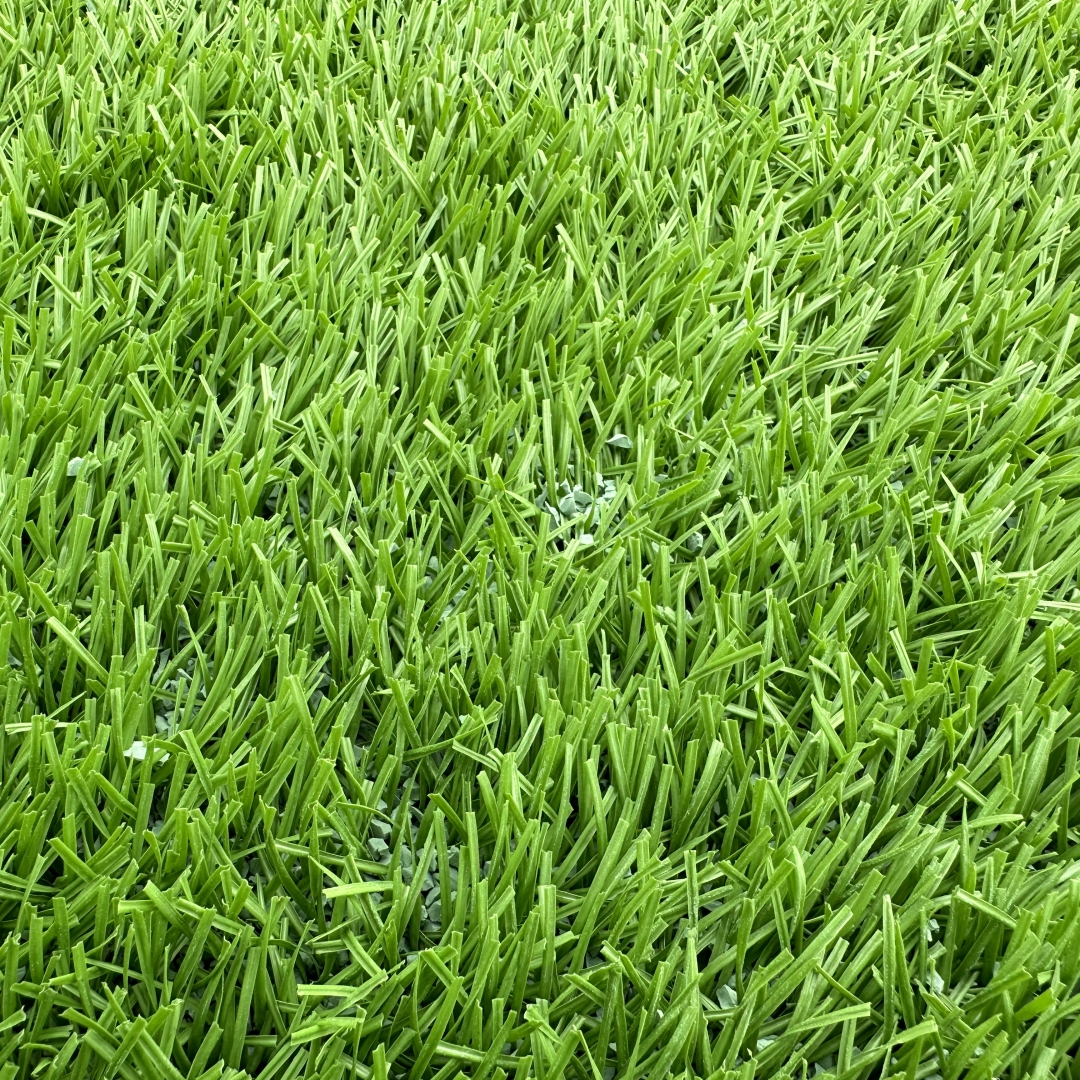
Choosing the right playground surfacing material is essential for creating a safe, durable, and attractive play environment. Among the available options, rubber mulch and EPDM rubber granules are widely considered for playground projects, schools, kindergartens, public parks, and recreational facilities.
Although both materials are made from rubber, they differ significantly in structure, installation methods, appearance, maintenance requirements, and long-term performance.
So, which is the better choice for your project: rubber mulch or EPDM rubber granules?
In this guide, we compare their key characteristics, advantages, disadvantages, and applications to help contractors, distributors, and project developers make an informed purchasing decision.
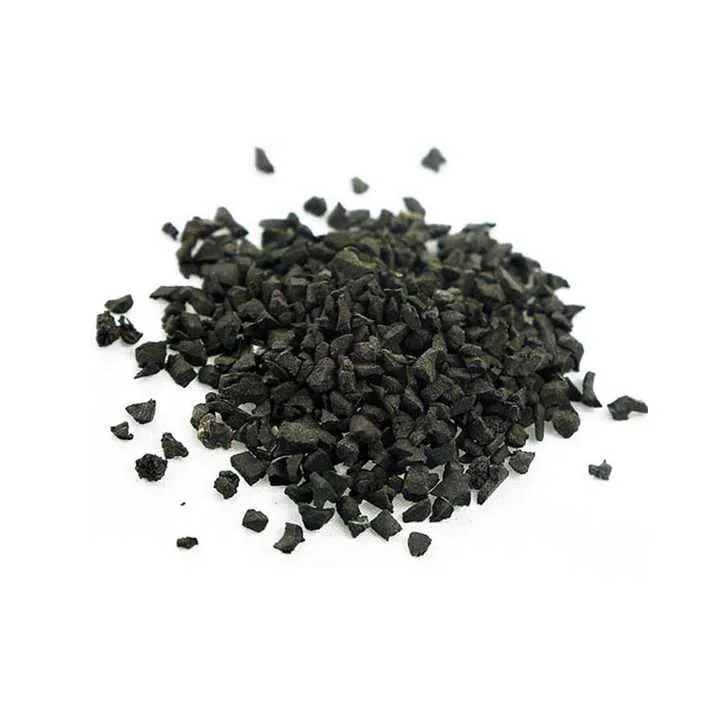
Rubber mulch is a loose-fill surfacing material commonly manufactured from recycled rubber, including processed end-of-life tires. The rubber is shredded into small chips or irregular pieces and spread across a prepared playground area.
Unlike bonded rubber flooring, rubber mulch remains loose after installation. It does not require polyurethane binder to form a continuous surface.
Loose-fill structure: Individual rubber pieces remain separate rather than forming a bonded surface.
Recycled material: Many products are manufactured from recycled tires.
Simple installation: The material can be distributed across a prepared area without specialized wet-pour equipment.
Flexible maintenance: Damaged or displaced areas can be replenished by adding more material.
Natural appearance: Black and other colored options can provide a relatively simple playground design.
Rubber mulch can be a practical choice for projects seeking a loose-fill surface with relatively straightforward installation. It can provide impact attenuation when the correct playground-grade material is installed at an appropriate depth.
It is also relatively easy to replenish individual areas when material is displaced or lost.
Because rubber mulch is loose, it can move away from high-traffic areas, particularly around swings, slides, and entrances. Regular raking, leveling, and depth inspections may be necessary.
Loose particles can also make it more difficult to provide a consistently firm, stable surface for wheelchairs, strollers, and other wheeled equipment.
For safety-critical applications, landscaping rubber mulch should not be substituted for material specifically designed and tested for playground surfacing.
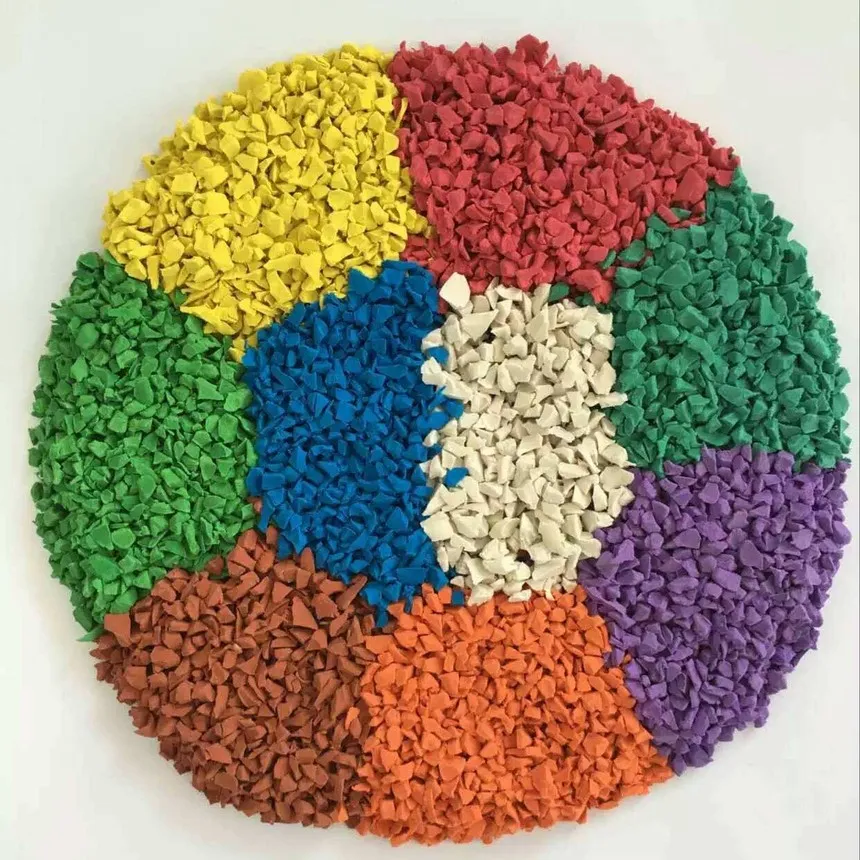
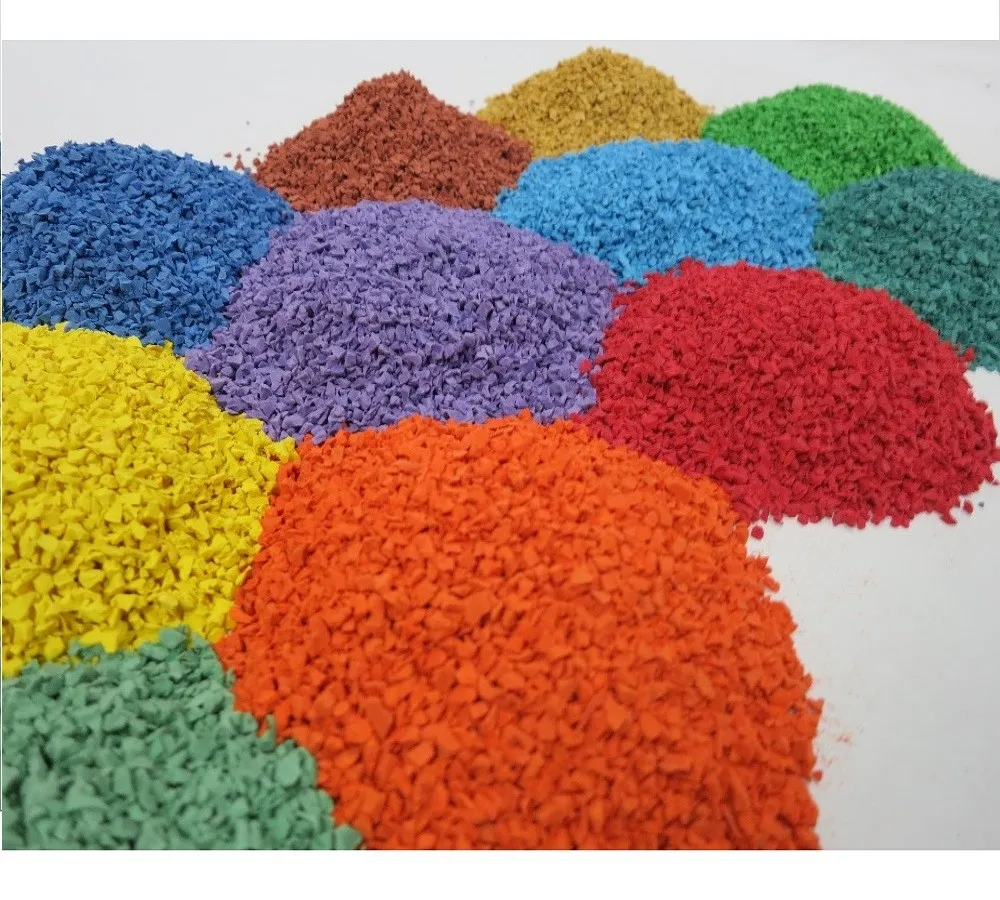
EPDM rubber granules are synthetic rubber particles made from ethylene propylene diene monomer rubber. They are commonly used to create colorful, elastic surfaces for playgrounds, running tracks, sports courts, and recreational areas.
For playground applications, EPDM granules are frequently mixed with a compatible polyurethane (PU) binder and installed on-site using a wet-pour process. Once cured, the mixture forms a continuous, bonded rubber surface.
Unlike loose-fill rubber mulch, EPDM rubber granules are held together by the binder, helping maintain a more uniform surface.
Bonded surface construction: Granules are combined with PU binder to create a continuous flooring layer.
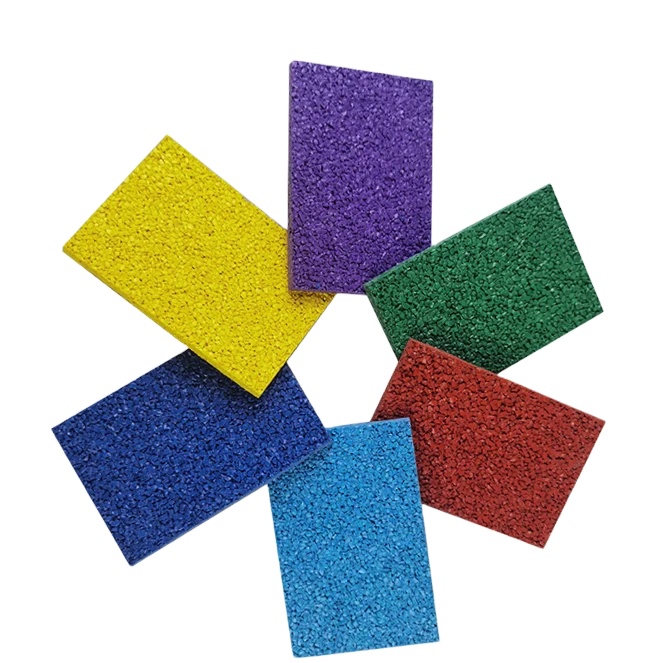
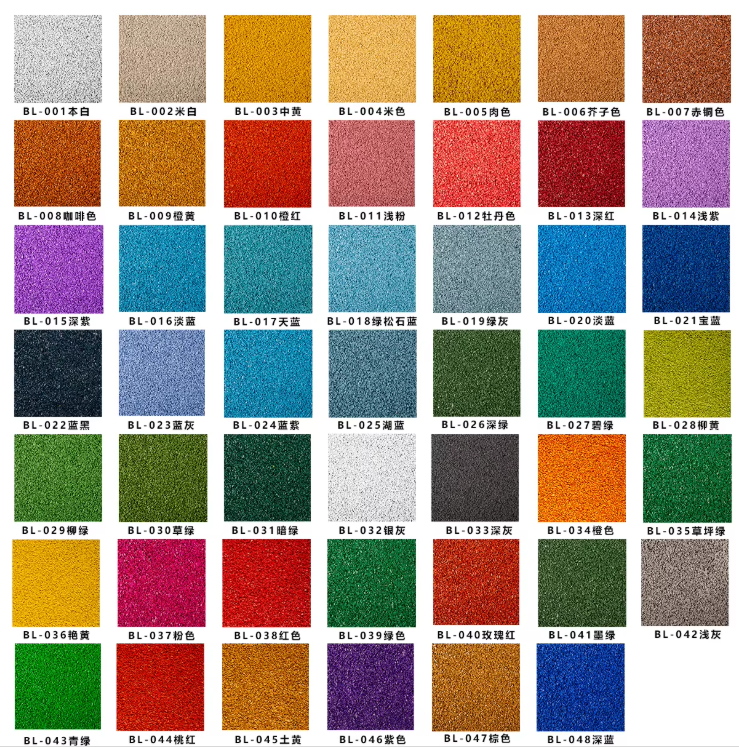
Color variety: Available in different colors for decorative patterns, activity zones, and themed playground designs.
Outdoor suitability: Appropriate EPDM formulations offer good resistance to sunlight and weather exposure.
Flexible applications: Suitable for playgrounds, kindergartens, schoolyards, parks, and other recreational spaces.
Customizable installation: Surface patterns, colors, and layer configurations can be selected according to project requirements.
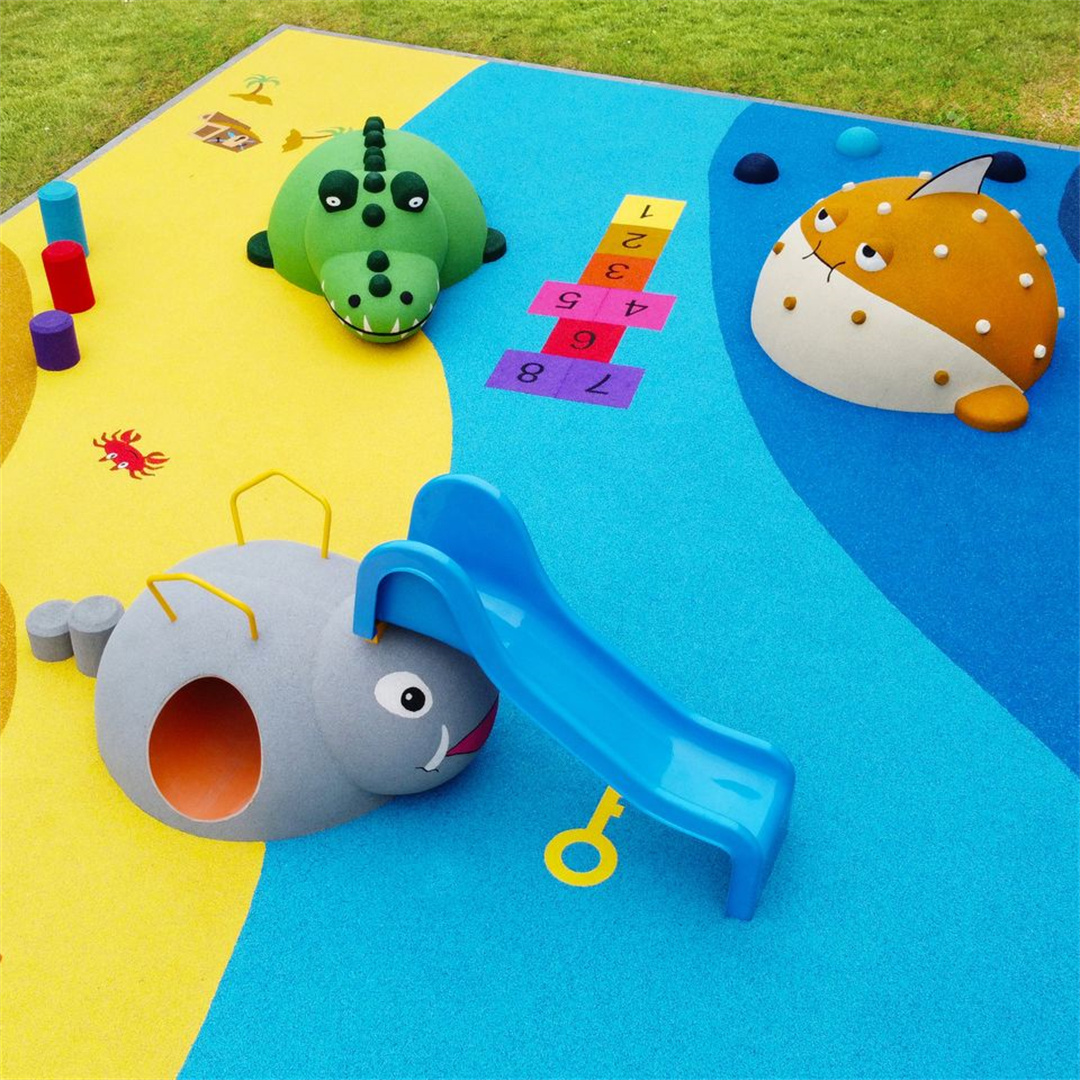
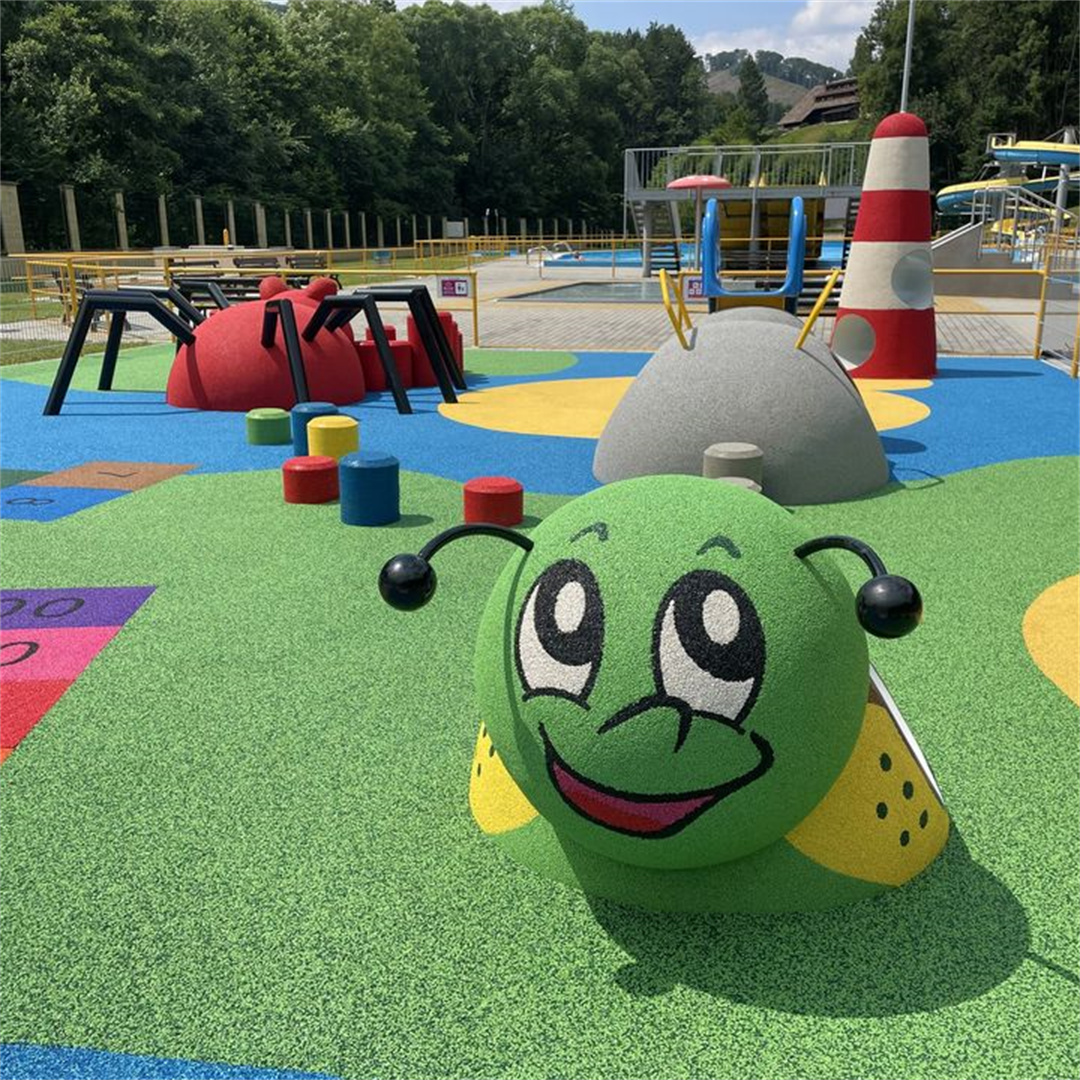
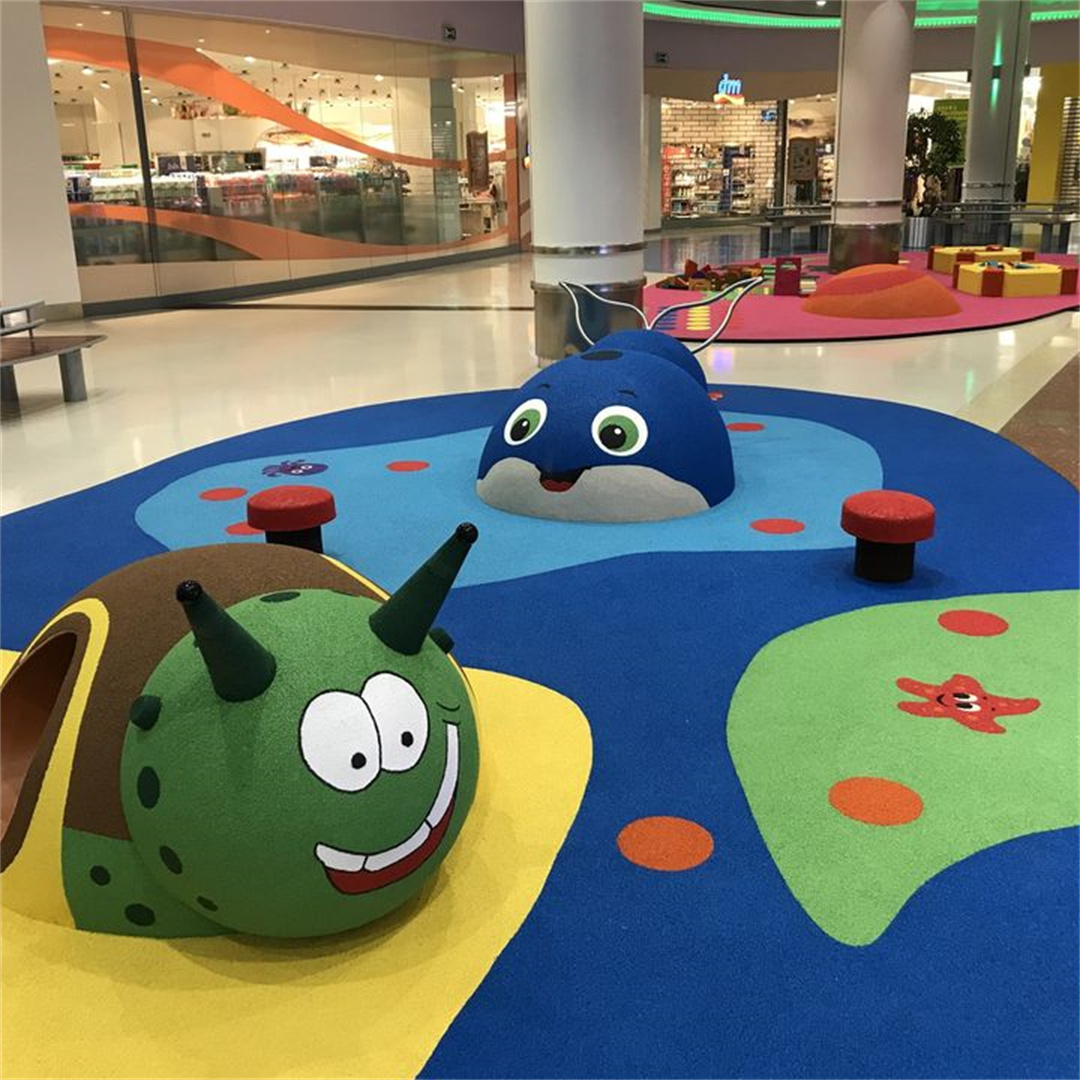
One of the main advantages of EPDM rubber granules is their design flexibility. Contractors can create colorful flooring layouts, educational patterns, animal shapes, and different play zones.
When correctly installed with a compatible PU binder, the granules form a stable surface that does not require routine raking or topping up in the same way as loose-fill materials.
EPDM rubber granules are also widely used as the visible wearing layer in playground flooring systems, where color retention, weather resistance, and surface appearance are important considerations.
EPDM wet-pour flooring generally requires more installation expertise than loose-fill rubber mulch. Contractors must prepare the substrate, select compatible materials, mix the granules and binder correctly, and allow sufficient curing time.
The initial project cost may also be higher, depending on the material specification, installation labor, substrate preparation, and required safety performance.
Importantly, EPDM granules alone do not guarantee a particular fall-protection rating. The complete flooring system must be designed and tested for the required critical fall height.
The most important difference is that rubber mulch is generally installed as a loose-fill material, whereas EPDM rubber granules are commonly bonded together to form a continuous playground surface.
| Comparison | Rubber Mulch | EPDM Rubber Granules |
|---|---|---|
| Surface structure | Loose, individual rubber pieces | Bonded rubber surface when wet-poured |
| Typical material source | Often recycled rubber tires | Synthetic EPDM rubber |
| Installation | Spread and level to the specified depth | Mix with compatible PU binder and install |
| Surface stability | Material can shift or migrate | More stable when properly bonded |
| Appearance | Loose chips with a relatively simple finish | Continuous surface with customizable colors and patterns |
| Maintenance | Raking, leveling, and replenishment may be required | Routine cleaning and inspection |
| Accessibility | Loose particles may limit wheeled access | Can provide a firmer, more continuous route when properly designed |
| Installation expertise | Generally simpler | Requires appropriate materials and installation skills |
| Safety performance | Depends on product, depth, and maintenance | Depends on the complete system, thickness, and testing |
| Common applications | Loose-fill playground areas | Playgrounds, kindergartens, parks, and recreational flooring |
Note: These are general comparisons. Actual performance depends on product quality, site conditions, installation, and the playground's safety requirements.
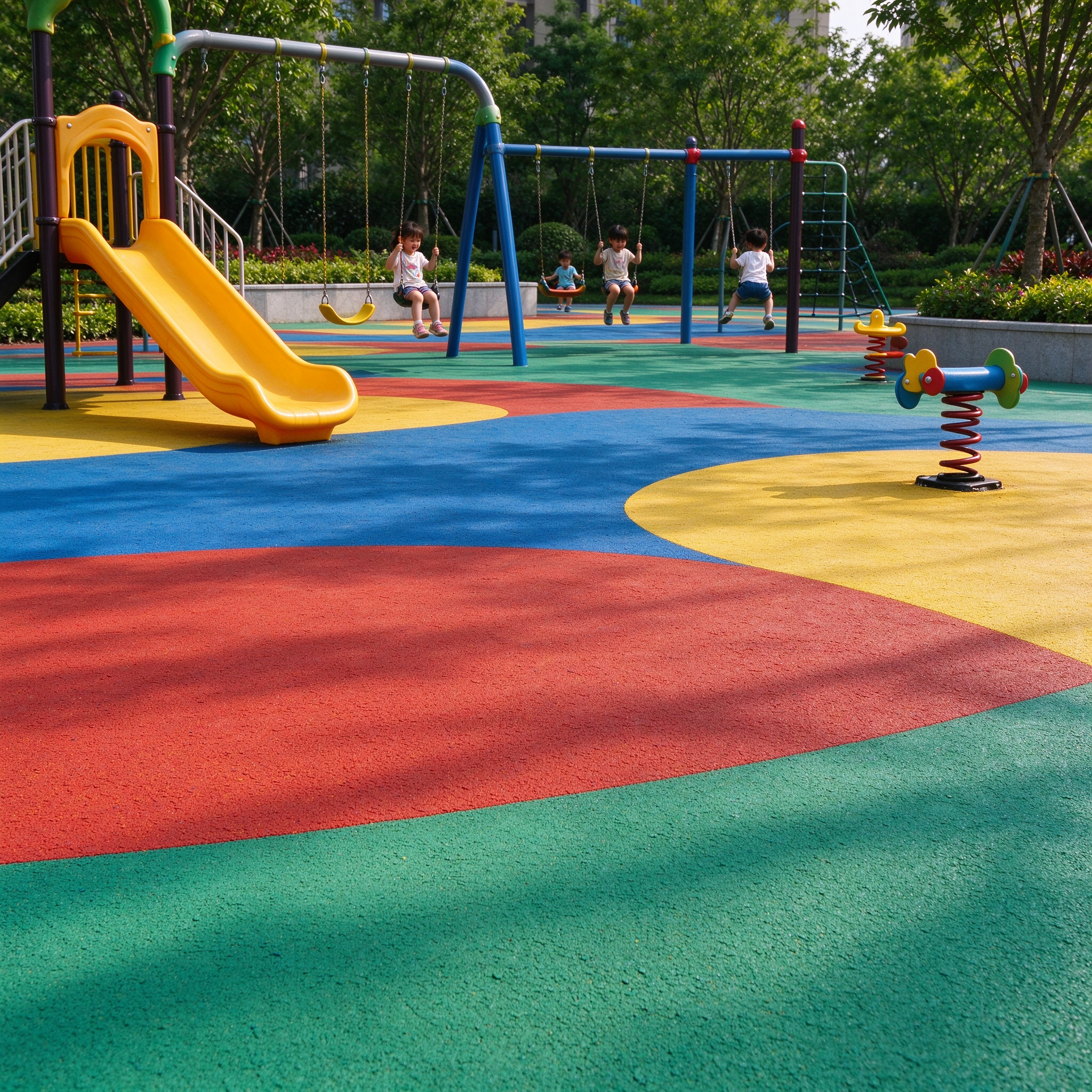
Playground safety should be a primary consideration when comparing rubber mulch and EPDM rubber granules.
Neither material should be considered automatically safer in every situation. The correct choice depends on the height of the play equipment, the surface system, installation quality, and compliance with applicable playground safety requirements.
Rubber mulch can absorb impact when installed at the appropriate depth using a product tested for playground applications.
However, the loose-fill layer can become thinner in frequently used areas. If the material moves away from a slide exit or beneath a swing, the exposed area may no longer provide the intended level of protection.
Regular inspection and depth maintenance are therefore important.
EPDM rubber granules can be used in engineered wet-pour playground flooring systems designed to provide impact attenuation.
The system may incorporate a shock-absorbing base layer and an EPDM wearing layer. The required construction depends on the equipment's fall height and the results of relevant performance testing.
A bonded surface can help maintain more consistent coverage because the rubber particles are not freely displaced during normal use.
Before purchasing either material, ask the supplier or installer for relevant impact-attenuation test reports, installation specifications, and confirmation that the proposed system meets the applicable requirements, such as ASTM F1292 or EN 1177 where relevant.
Installation requirements can influence labor costs, project schedules, and long-term maintenance.
A typical rubber mulch installation involves the following steps:
Prepare and level the designated playground area.
Establish suitable drainage and edge containment.
Install any required base or supporting components.
Distribute the playground-grade rubber mulch to the specified depth.
Check the coverage, especially beneath swings, slides, and climbing equipment.
Inspect the finished area and establish a regular maintenance schedule.
The installation process is relatively straightforward, but correct depth and ongoing material distribution are essential.
A typical wet-pour EPDM playground flooring installation involves:
Prepare a suitable concrete, asphalt, or other approved substrate.
Confirm the drainage design and substrate condition.
Select the appropriate rubber granules and compatible PU binder.
Measure and mix the materials according to the manufacturer's instructions.
Spread and compact the mixture to the specified layer thickness.
Allow the material to cure under suitable environmental conditions.
Inspect the completed surface for consistency, bonding, and compliance with project specifications.
The exact construction depends on the project design. Some systems use a shock-absorbing base layer beneath the EPDM wearing layer, while others may use a different approved configuration.
Correct mixing ratios, installation conditions, and curing procedures are important for achieving reliable adhesion and surface performance.
Maintenance requirements should be evaluated alongside the initial material price.
Rubber mulch generally requires periodic raking and leveling to redistribute displaced material. High-use areas may need additional material to restore the specified depth.
Routine inspections should also check for foreign objects, contamination, and exposed hard surfaces.
These tasks may be manageable for small playgrounds, but maintenance can become more demanding in busy public facilities.
Bonded EPDM playground flooring typically requires routine cleaning and visual inspection rather than regular raking or replenishment.
Maintenance personnel should check for localized wear, cracks, loose areas, drainage problems, and damage around equipment supports.
If repairs are necessary, the affected area may need to be cut out and patched. Depending on the age of the original surface, achieving an exact color match can be difficult.
Actual service life depends on material quality, binder compatibility, installation, traffic levels, climate, and maintenance practices. Buyers should request product-specific performance information rather than relying on a universal lifespan estimate.
The most cost-effective option depends on the project's budget, installation conditions, and expected maintenance requirements.
Rubber mulch may suit projects that:
Prefer a loose-fill installation method.
Have a relatively simple playground layout.
Can accommodate regular inspection and replenishment.
Want to minimize specialized wet-pour installation work.
However, the total cost should include edge containment, base preparation, delivery, installation, and ongoing maintenance.
EPDM rubber granules may be a better long-term choice for projects that:
Require a continuous, bonded playground surface.
Need multiple colors or customized patterns.
Prefer reduced routine maintenance associated with loose-fill materials.
Want a coordinated finish around playground equipment and accessible routes.
Although the initial investment may be higher, the overall project value should be assessed using installation costs, maintenance needs, repair requirements, and the intended service period.
For an accurate comparison, request quotations based on the same playground area, specified safety performance, base preparation, and installation scope.
Before making a purchasing decision, consider these five factors.
1. Playground equipment and fall height
Identify the equipment's critical fall height and select a surfacing system with appropriate supporting test data.
2. Project design
Choose rubber mulch for a suitable loose-fill design or EPDM granules when a continuous surface and decorative flexibility are priorities.
3. Installation conditions
Assess the existing substrate, drainage, edge details, weather conditions, and availability of experienced installers.
4. Maintenance capacity
Consider whether the facility can regularly rake and replenish loose-fill material or would benefit from a bonded surface requiring a different maintenance routine.
5. Supplier reliability
Check material specifications, batch consistency, technical documentation, binder compatibility, and recommendations for the intended application.
For EPDM projects, buyers should also confirm granule size, color options, packaging, recommended mixing procedures, and compatibility with the selected polyurethane binder.
For playground projects that prioritize colorful designs, a continuous surface, and reduced loose-fill maintenance, EPDM rubber granules are a practical material option.
When combined with a compatible PU binder and installed as part of a properly specified system, EPDM granules can support a wide range of playground designs, from simple kindergarten flooring to colorful public park play areas.
At Baoli Technology, we supply sports surface materials, including EPDM rubber granules and polyurethane binder for rubber surfacing applications.
Our products serve contractors, distributors, and project buyers looking for materials for playgrounds, running tracks, sports courts, and other recreational surfaces.
When planning an EPDM playground project, buyers should confirm the intended application, color requirements, granule specifications, binder compatibility, and installation conditions before placing an order.
Contact our team to discuss your playground flooring material requirements and request product information for your project.
No. Rubber mulch is generally a loose-fill material made from shredded rubber, often recycled tires. EPDM rubber granules are synthetic rubber particles commonly mixed with polyurethane binder to create a bonded playground surface.
For a conventional wet-pour playground surface, EPDM granules are mixed with a compatible PU binder to hold the particles together. The binder type and mixing ratio should follow the material supplier's instructions.
Yes. Appropriately formulated EPDM rubber granules are commonly used in outdoor playground flooring because of their color options and resistance to weather exposure. The complete flooring system must still be correctly designed and installed for the site's conditions.
EPDM wet-pour flooring generally requires less routine maintenance related to material displacement. Rubber mulch may need regular raking, leveling, and replenishment to maintain the specified depth and coverage.
A properly designed and tested EPDM flooring system can provide impact attenuation. Performance depends on the complete system, including its construction and thickness. The required critical fall height should be verified using relevant test documentation.
Yes. Some playground systems use recycled rubber granules, such as SBR, in a shock-absorbing base layer and EPDM granules in the wearing layer. The layer configuration and binder compatibility should follow the project specification.
Buyers should confirm granule size, color availability, packaging, product specifications, PU binder compatibility, recommended installation procedures, and relevant technical or safety documentation.
Both rubber mulch and EPDM rubber granules can be suitable for playground surfacing, but they serve different project needs.
Rubber mulch offers a straightforward loose-fill option that requires appropriate depth management and regular maintenance. EPDM rubber granules, when combined with a compatible PU binder, create a bonded surface with greater flexibility for colorful designs and a more consistent walking surface.
The best choice depends on the playground's safety requirements, budget, design, installation conditions, and maintenance capacity.
For contractors, distributors, and developers planning a bonded playground flooring system, understanding the relationship between EPDM rubber granules, PU binder, and the complete surface construction is an important step toward selecting suitable materials.


