

Views: 0 Author: Site Editor Publish Time: 2026-10-18 Origin: Site
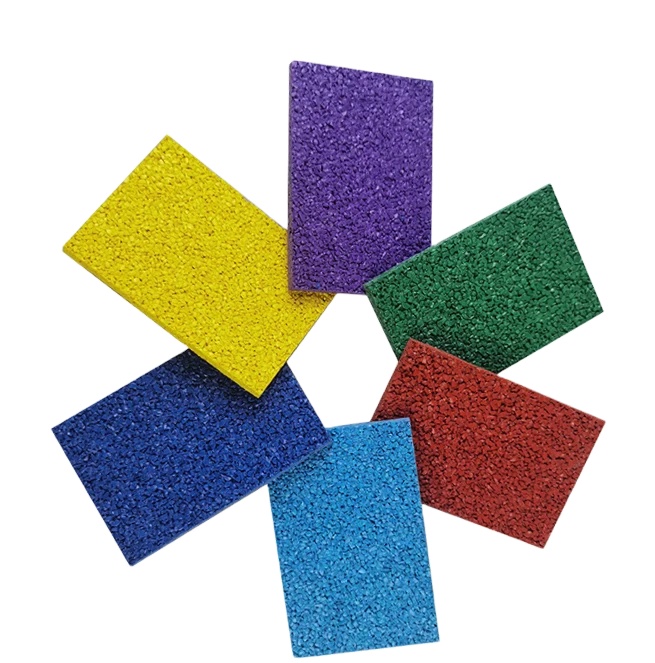
Poured-in-place rubber playground flooring is a popular choice for schools, kindergartens, public parks, residential communities, and commercial playgrounds. It creates a continuous, colorful surface that can be customized to suit different playground designs while providing a comfortable area for children to play.
Unlike prefabricated rubber tiles, poured-in-place rubber flooring is mixed and installed directly on-site. The quality of the finished surface depends on several factors, including the substrate, rubber granules, polyurethane binder, mixing ratio, weather conditions, and installation technique.
In this guide, we explain how to install poured-in-place rubber playground flooring, what materials and tools are required, and how to avoid common installation problems.
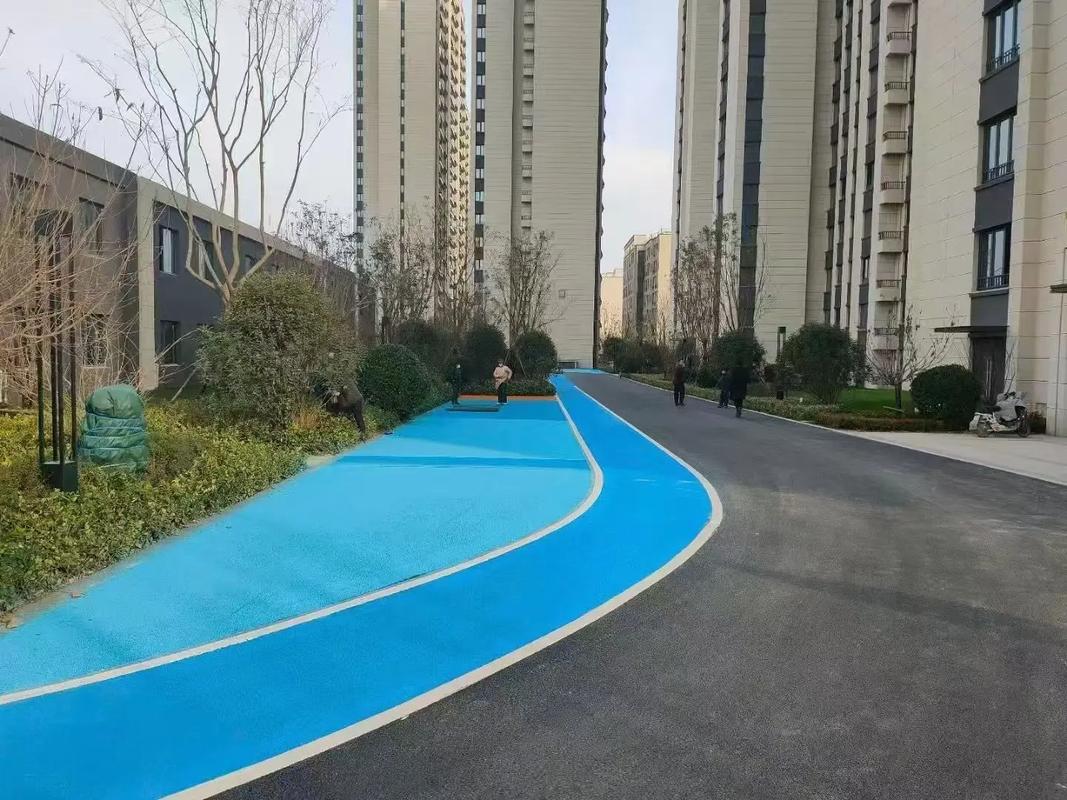
Poured-in-place rubber playground flooring is a seamless surfacing system made by mixing rubber granules with a polyurethane binder and applying the mixture directly to a prepared base.
The system commonly uses two types of rubber granules:
EPDM rubber granules: Often used for the exposed wearing surface because they are available in various colors and can create attractive playground designs.
SBR rubber granules: Commonly used in some shock-absorbing base layers because of their cost-effectiveness and suitability for rubber surfacing applications.
A polyurethane binder, also called PU binder, bonds the rubber granules together to form a continuous surface after curing.
Depending on the project design, the flooring may include a shock-absorbing base layer and a colored EPDM wearing layer. The required system depends on the intended use, fall-height requirements, substrate conditions, and applicable safety standards.
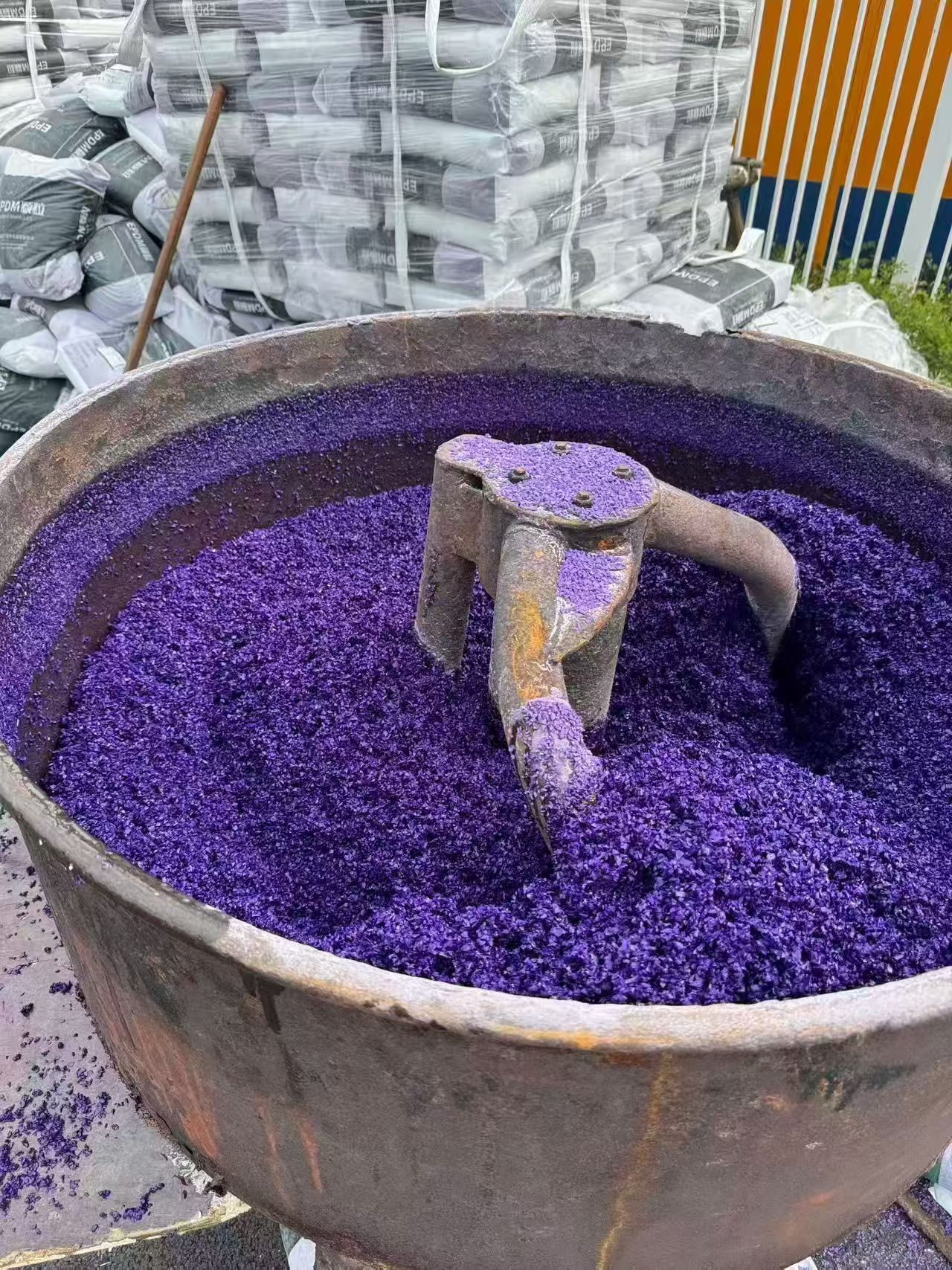
Before starting the installation, prepare the necessary materials and equipment.
EPDM rubber granules
EPDM granules are widely used for the colored top layer of playground flooring. Buyers can select different colors to create play zones, patterns, borders, and decorative designs.
PU binder
PU binder is used to bond the rubber granules. The binder must be compatible with the selected rubber material and the intended application. Depending on the product, it may be supplied as a single-component or multi-component system.
SBR rubber granules
SBR granules may be used in the base layer when specified by the selected flooring system. Their particle size and quality should be suitable for the installation requirements.
Suitable substrate or base material
Concrete, asphalt, or a properly designed supporting base may be used, depending on the project specifications. The base must provide adequate stability, drainage, and surface preparation.
Typical installation equipment includes:
A suitable mechanical mixer
Measuring scales or other accurate measuring equipment
Shovels and mixing containers
Screeds and trowels
Protective gloves, safety glasses, and other required PPE
Cleaning tools
Moisture-testing equipment where required
For larger playground projects, contractors may also need additional mixing and paving equipment to maintain consistent material quality and installation speed.
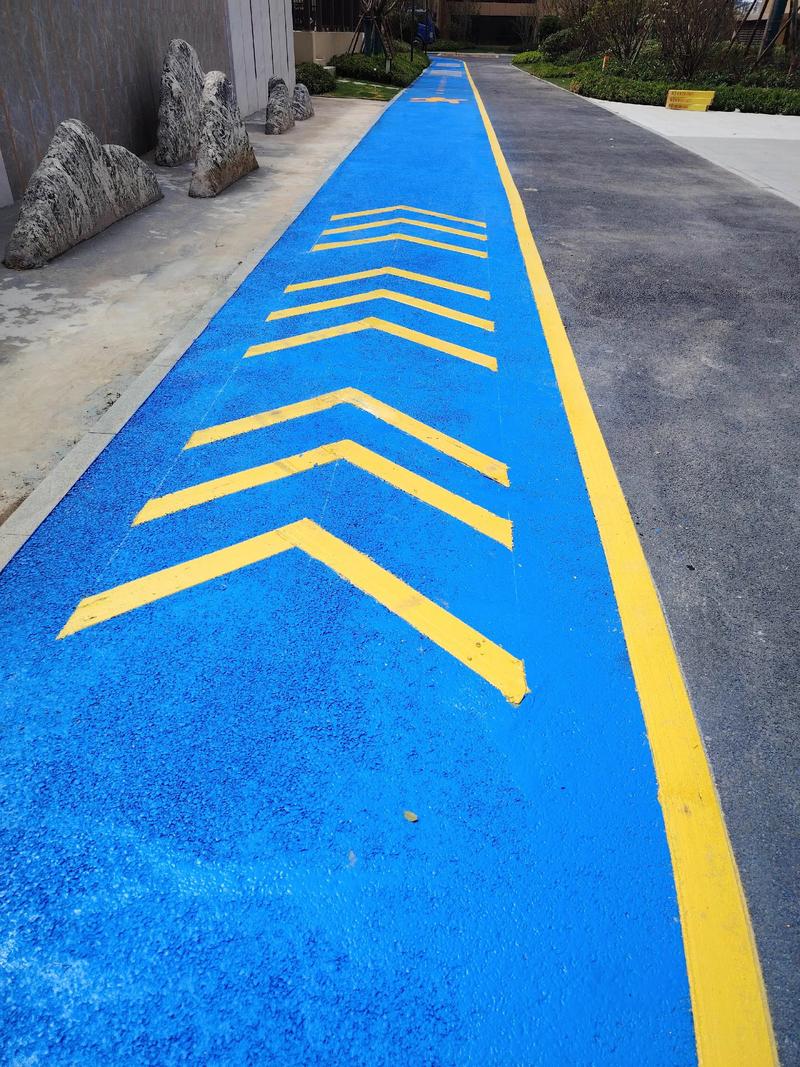
Substrate preparation is one of the most important stages of playground flooring installation.
The base should be stable, clean, and suitable for the selected rubber surfacing system. Remove dust, loose particles, oil, grease, standing water, and other contaminants that could interfere with adhesion.
Inspect the base for cracks, uneven areas, and drainage problems. Repair defects before applying the rubber surfacing.
For concrete or asphalt substrates, follow the flooring manufacturer's requirements for surface condition, moisture levels, primer use, and curing time.
Installation tip: Do not install the rubber surface over a wet, unstable, or contaminated base unless the specified system explicitly permits those conditions.
Before mixing materials, confirm the playground layout, surface colors, borders, patterns, and installation thickness.
The thickness of the rubber flooring should not be selected based only on appearance or material cost. For playgrounds, the required thickness and surfacing system must be determined according to the equipment's critical fall height, the applicable impact-attenuation standard, and verified system test data.
If the project includes climbing equipment, slides, or other elevated play structures, confirm the required impact protection for each relevant use zone.
The installation team should also check the finished surface elevation, transitions, drainage points, and surrounding edges.
Some installation systems require a primer to improve adhesion between the substrate and the rubber layer.
Use only a primer recommended by the manufacturer for the particular substrate and PU binder system. Apply it according to the product instructions, including the specified coverage rate and recoat or overcoating window.
Not every system requires the same primer, so contractors should avoid adding unapproved products or changing the specified installation sequence.
Allow the primer to reach the required condition before proceeding.
Accurate mixing is essential for producing a uniform, durable surface.
Measure the rubber granules and PU binder according to the manufacturer's recommended mixing ratio. Do not assume that every EPDM granule or PU binder product uses the same ratio.
Add the materials in the specified order and mix until the granules are evenly coated with binder. Avoid insufficient mixing, which can lead to loose granules, weak bonding, and uneven surface quality.
For a two-layer system, the base-layer mixture and the colored EPDM wearing-layer mixture may use different granule sizes, materials, or binder ratios.
Important: Temperature, humidity, binder chemistry, granule condition, and mixing time can affect installation results. Follow the technical data sheet for the exact products being used.
Where the design requires a shock-absorbing base layer, spread the prepared mixture evenly over the specified area.
Use suitable screeding tools to achieve the required thickness and a consistent surface profile. Compact and finish the material according to the installation system's instructions.
Avoid creating low spots, raised edges, or uneven transitions. These defects can affect the appearance, drainage, and performance of the finished playground.
The base layer must reach the required condition before the next layer is applied. The necessary waiting time depends on the binder formulation and environmental conditions.
Once the base layer is ready, prepare the EPDM wearing-layer mixture using the specified EPDM granules and compatible PU binder.
Spread the mixture evenly across the surface. Use a trowel or other suitable finishing tool to achieve the specified thickness and a consistent texture.
For playgrounds with multiple colors, install the different sections according to the approved layout. Control the boundaries between colors to create clear patterns and minimize unwanted color contamination.
The surface should be finished consistently without excessive compaction, visible gaps, loose particles, or irregular edges.
Installation tip: Work in manageable sections and maintain a consistent mixing and paving process. This helps reduce differences in color, texture, and surface height between adjoining areas.
After installation, protect the new rubber flooring from foot traffic, water, dust, and other contaminants while it cures.
The curing period varies depending on the PU binder, material formulation, temperature, humidity, and layer thickness. Follow the manufacturer's specified curing time rather than relying on a universal waiting period.
Do not open the playground to children until the surface has cured sufficiently and the project inspection confirms that it is ready for use.
Before handover, inspect the entire playground surface.
Check for:
Uneven thickness or surface height
Loose granules and weakly bonded areas
Cracks, gaps, bubbles, or visible defects
Poor adhesion between layers
Inconsistent color and surface texture
Drainage issues and uneven transitions
Compliance with the project's impact-attenuation and safety requirements
Where required, arrange testing by a qualified provider to verify compliance with the applicable playground surfacing standards.
A professional installation should deliver not only an attractive appearance but also a suitable, properly installed surface for its intended playground application.
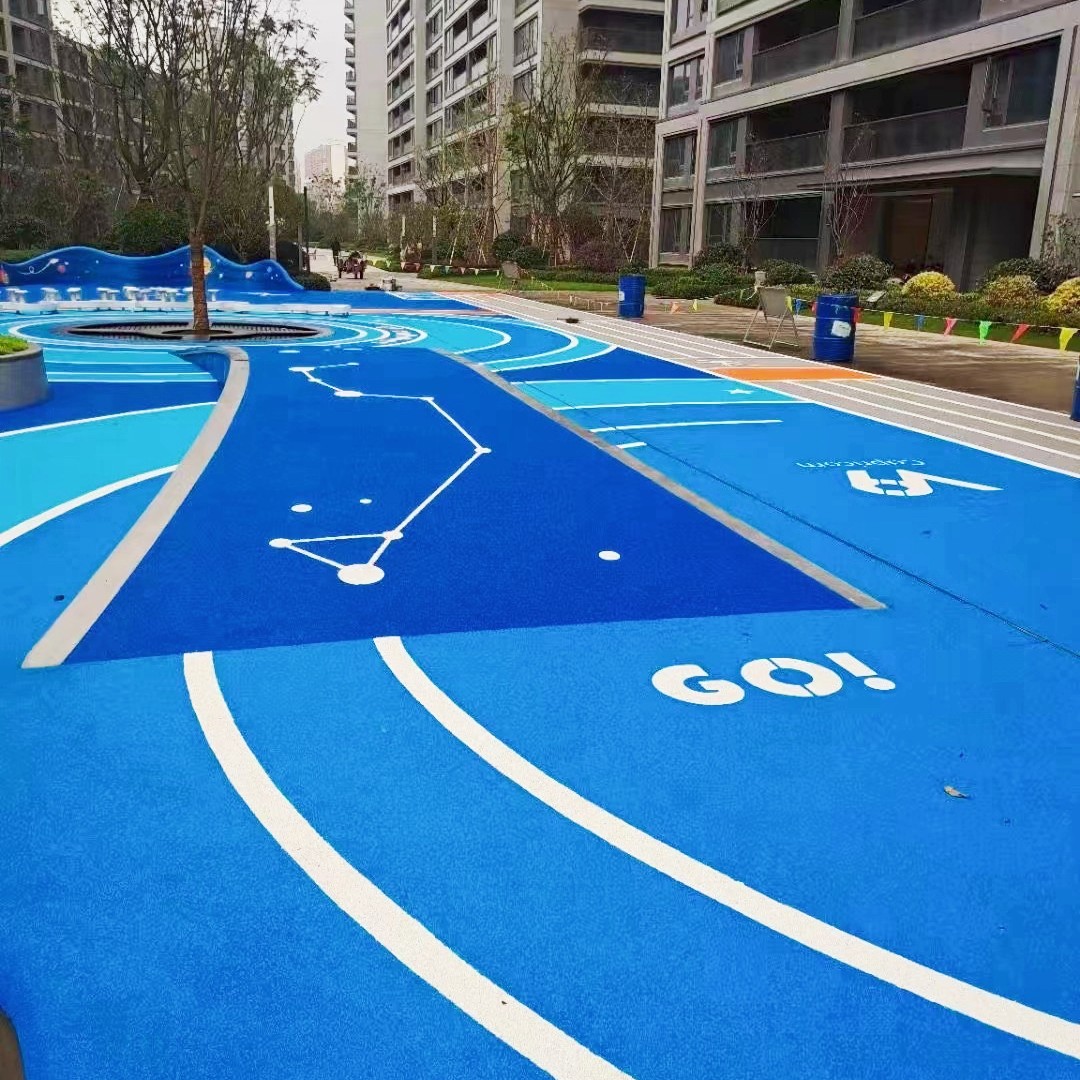
Even high-quality materials can produce unsatisfactory results when installation procedures are not followed correctly.
| Common problem | Possible cause | Recommended prevention |
|---|---|---|
| Loose rubber granules | Incorrect binder ratio or insufficient mixing | Follow the technical data sheet and mix thoroughly |
| Surface peeling | Poor substrate preparation or incompatible primer | Prepare the base properly and use compatible materials |
| Uneven surface | Inconsistent spreading or compaction | Control thickness and finishing techniques |
| Color differences | Different granule batches or inconsistent mixing | Check material batches and maintain consistent procedures |
| Premature surface damage | Insufficient curing or early foot traffic | Follow the specified curing schedule |
| Water pooling | Poor drainage or an unsuitable base profile | Correct drainage and substrate issues before installation |
Identifying these risks before installation can help reduce material waste, repair costs, and project delays.
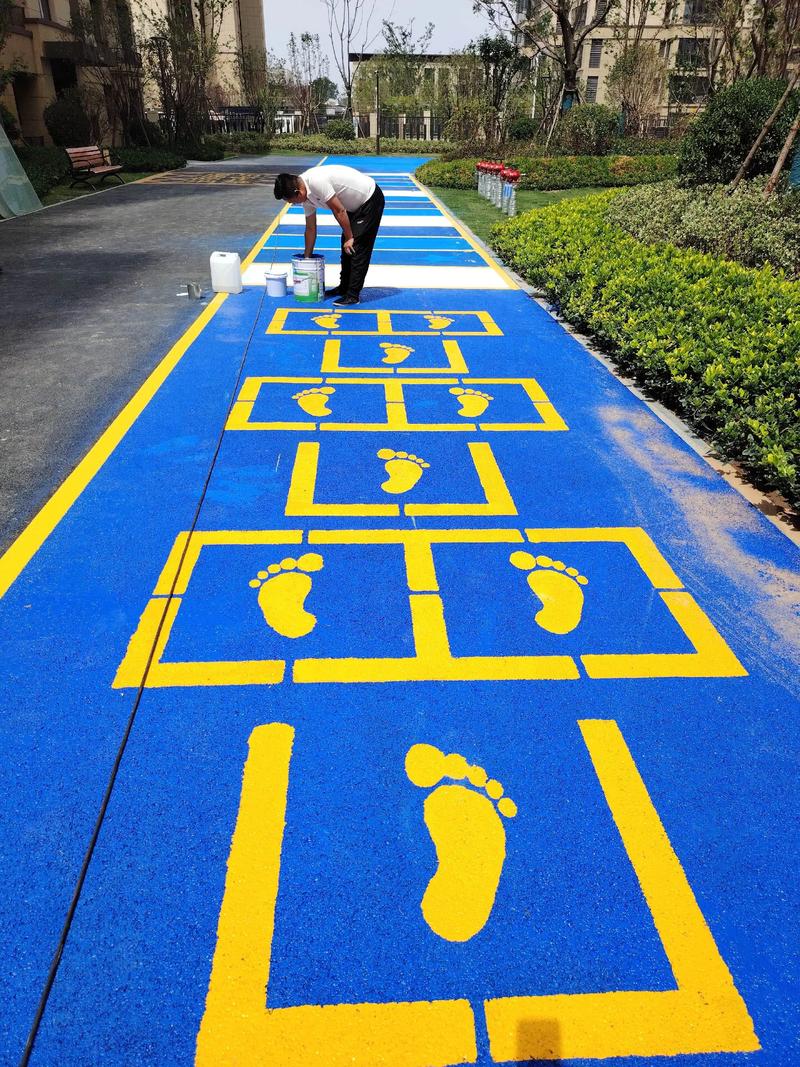
Material selection directly affects installation quality and the finished playground surface.
When purchasing EPDM granules, consider the following factors:
Particle size: Select a suitable size for the intended wearing layer and installation method.
Color consistency: Consistent colors help produce a uniform finished surface.
Weathering resistance: Evaluate product test data for the intended outdoor exposure.
Material quality: Check granule consistency, cleanliness, and compatibility with the selected binder.
Application suitability: Confirm that the product is intended for poured-in-place rubber surfacing.
PU binder should be selected according to the rubber granules, installation method, and expected site conditions.
Buyers should confirm:
Whether the binder is single-component or multi-component
Compatibility with EPDM or SBR rubber granules
Recommended mixing ratio and installation procedure
Applicable temperature and humidity limits
Working time and curing requirements
Packaging, storage conditions, and shelf life
Relevant technical data sheets and safety documentation
For outdoor playgrounds, weather exposure is another important consideration. Discuss the required performance with the supplier and review available test data instead of relying on general product descriptions alone.
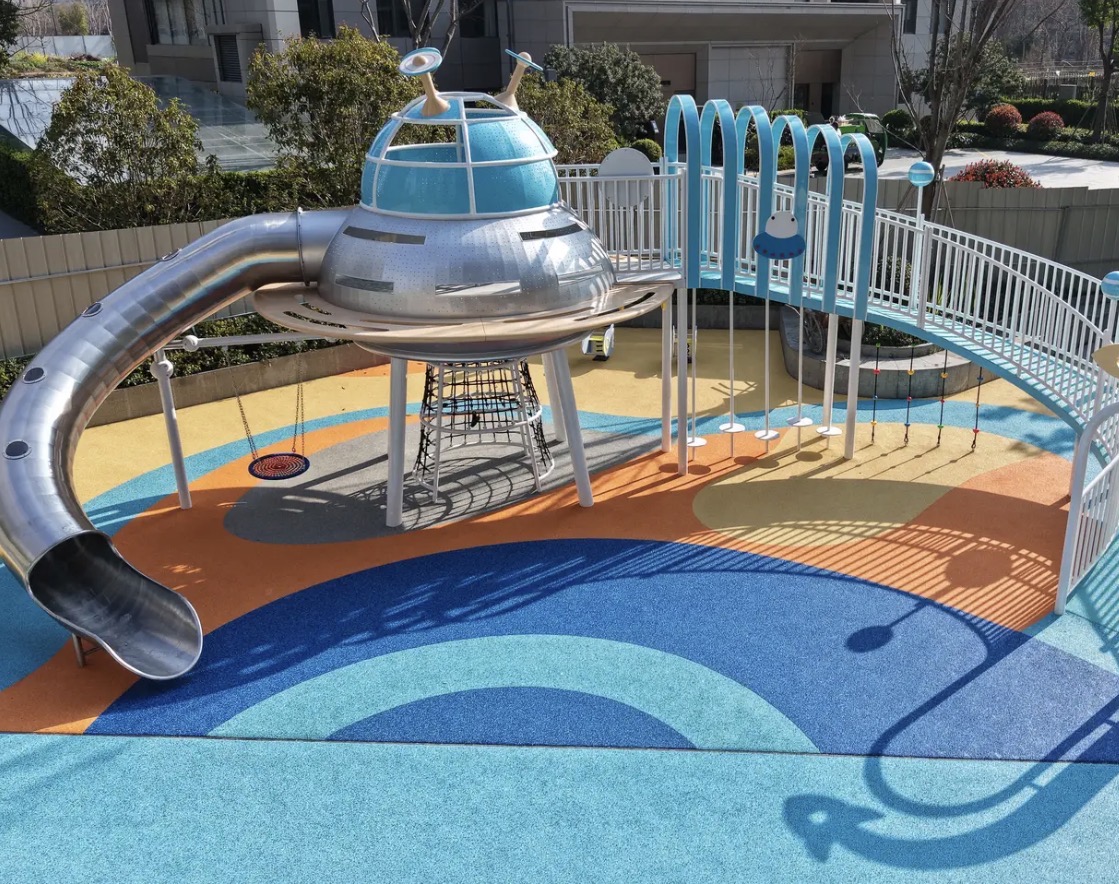
The cost of poured-in-place rubber playground flooring depends on several factors.
Material costs: EPDM granules, SBR granules where specified, PU binder, primer, and other system components.
Installation thickness: Thicker systems generally require more material per square meter. The final specification must also satisfy the project's safety requirements.
Substrate preparation: Damaged concrete, uneven asphalt, or drainage corrections can increase labor and preparation costs.
Project size and design: Large projects may benefit from more efficient installation, while intricate multicolor patterns can require additional labor.
Labor and logistics: Local labor rates, transportation, equipment, and site access all influence the final price.
For a more accurate quotation, provide the supplier with the total playground area, proposed layer structure, required thickness, color requirements, substrate condition, and installation location.
For contractors, distributors, and playground project developers, choosing a reliable material supplier is an important part of project planning.
A professional manufacturer can help buyers select suitable EPDM granules and PU binder, confirm material compatibility, and provide product documentation for the intended application.
When evaluating suppliers, consider:
Product consistency and quality-control procedures
Technical support for mixing and installation
Available EPDM colors and granule specifications
PU binder options for different applications
Packaging and production capacity
Lead times and international shipping arrangements
Technical data sheets and relevant test reports
Baoli Technology specializes in sports and playground surfacing materials, including EPDM rubber granules and polyurethane binders. We support contractors, distributors, and project buyers seeking material solutions for rubber playground flooring and other sports surface applications.
Contact our team to discuss your project requirements and find suitable materials for your playground flooring system.
Installation time depends on the playground area, substrate preparation, layer structure, weather, crew size, and curing requirements. Small projects may take a few days, while larger projects can take longer. The surface should only be opened for use after the specified curing period and required inspections.
Yes, concrete can be a suitable substrate if it is structurally sound, properly prepared, and compatible with the selected surfacing system. Moisture conditions, surface contamination, cracks, and drainage should be evaluated before installation.
EPDM rubber granules are commonly used in outdoor playground surfacing. The suitability of a particular product depends on its quality, binder compatibility, installation system, and performance under the intended environmental conditions.
EPDM and SBR are different types of synthetic rubber with different material properties and typical applications. EPDM is widely used for colored wearing layers, while SBR is often used in base layers where specified. The right choice depends on the system design, budget, appearance, and performance requirements.
In conventional poured-in-place EPDM or SBR rubber surfacing systems, polyurethane binder is used to bond the granules. The binder type and mixing ratio must be compatible with the selected granules and the manufacturer's installation instructions.
The required thickness depends on the playground equipment's critical fall height, the complete surfacing system, the substrate, and applicable safety standards. Use verified impact-attenuation test data for the proposed system rather than selecting thickness based only on appearance or cost.
Installing poured-in-place rubber playground flooring involves more than mixing rubber granules and spreading them over a base. Successful results require proper substrate preparation, compatible EPDM granules and PU binder, accurate mixing, consistent paving, sufficient curing, and appropriate safety inspections.
For playground contractors and project buyers, selecting suitable materials and following a verified installation system can help improve surface consistency, reduce installation problems, and support long-term project performance.
If you are sourcing EPDM rubber granules or PU binder for a playground project, contact Baoli Technology to discuss your application, material specifications, and project requirements.


