

Polyurea floor coating is a high-performance protective flooring material widely used in industrial, commercial, sports, and outdoor environments.
Known for its fast curing speed, excellent flexibility, abrasion resistance, chemical resistance, and waterproofing performance, polyurea coating has become an important solution for floors that require durable and reliable surface protection.
Unlike conventional floor paints, polyurea systems can form a continuous protective membrane with strong adhesion and excellent resistance to mechanical and environmental stress.
From warehouses and factories to parking areas, sports facilities, workshops, and outdoor platforms, polyurea floor coatings can be designed for a wide range of demanding applications.
Modern floors often need to withstand heavy traffic, impact, chemicals, moisture, and temperature changes.
Polyurea floor coating is designed to provide a protective barrier while maintaining a certain level of flexibility.
One of the most significant advantages of polyurea is its rapid curing speed.
Traditional floor coatings may require relatively long drying or curing periods before the area can return to service.
Polyurea systems can cure much faster, which can reduce construction downtime.
This characteristic is particularly valuable for factories, warehouses, commercial facilities, and other areas where long shutdowns are not practical.
Polyurea is an elastomeric material with good flexibility and elongation.
This allows the coating to accommodate certain movements and mechanical stresses in the substrate.
For surfaces exposed to vibration, impact, thermal expansion, or contraction, flexibility can be an important performance characteristic.
Industrial and commercial floors may experience continuous traffic from workers, vehicles, carts, and equipment.
A properly formulated polyurea coating can provide strong resistance to abrasion and mechanical wear.
This helps maintain the integrity and appearance of the floor during long-term use.
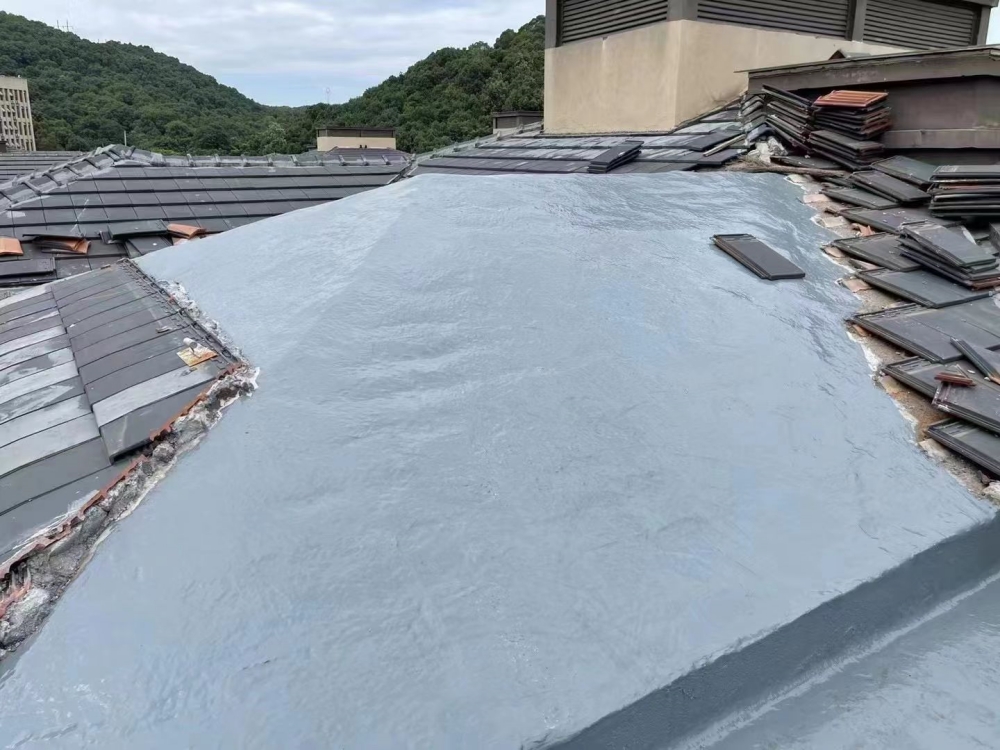
Polyurea forms a continuous membrane that can provide effective protection against water and moisture.
This makes it suitable for applications where waterproofing and surface protection are both important.
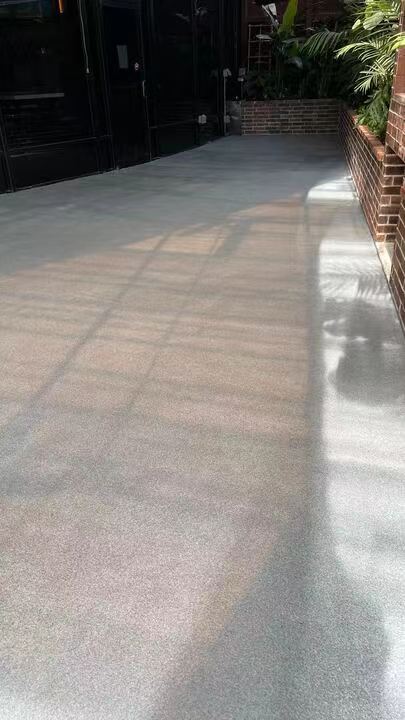
Polyurea floor coatings can be used in a wide variety of environments.
Factories and production facilities often require floors that can withstand heavy traffic, mechanical impact, and chemical exposure.
Polyurea can be used as part of a protective flooring system in selected industrial environments.
Warehouse floors are exposed to forklifts, pallet trucks, heavy loads, and continuous pedestrian traffic.
A durable coating can help protect the concrete substrate and improve floor cleanliness and maintenance.
Parking areas require resistance to vehicle traffic, abrasion, moisture, and environmental exposure.
Polyurea flooring systems can be designed for parking garages, ramps, driveways, and other traffic-bearing areas.
Automotive workshops and maintenance facilities may be exposed to oils, chemicals, mechanical impact, and frequent cleaning.
A suitable polyurea floor coating can provide a seamless protective surface that is easier to maintain.
Polyurea coatings can also be used in selected commercial areas where durability, appearance, and easy maintenance are important.
When selecting a polyurea flooring system, several technical properties should be considered.
Industrial floors may come into contact with oils, fuels, cleaning agents, acids, alkalis, and other chemicals.
The chemical resistance of a polyurea system depends on its specific formulation and should be evaluated according to the chemicals expected in the application environment.
For outdoor applications, UV exposure can affect the color and long-term performance of coatings.
A UV-resistant polyurea system or suitable protective topcoat may be required for exposed outdoor surfaces.
Industrial and commercial floors can experience impact from equipment, tools, containers, and vehicles.
The flexibility and toughness of polyurea can help the flooring system absorb mechanical stress.
Spray-applied polyurea can create a continuous membrane with minimal joints.
A seamless surface can reduce areas where water, dirt, and contaminants may accumulate.
This can be beneficial in environments where hygiene and easy cleaning are important.
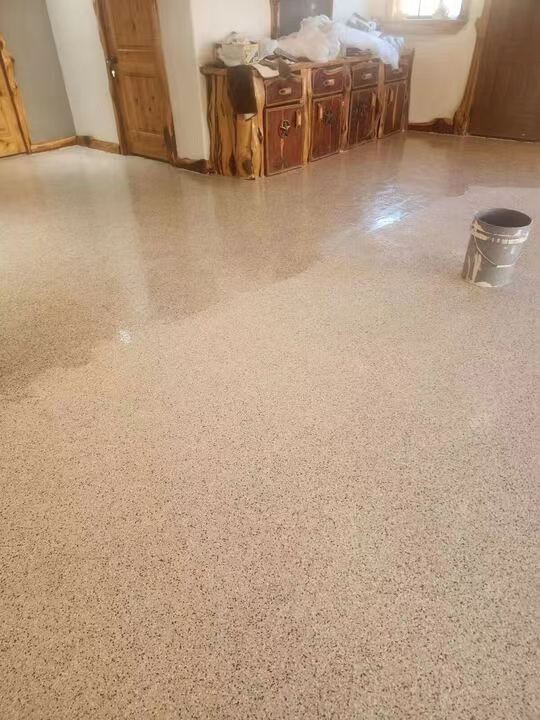
Traditional epoxy and other floor coatings remain widely used, but polyurea offers several different performance characteristics.
Epoxy coatings are known for hardness, chemical resistance, and strong adhesion.
Polyurea generally provides greater flexibility, faster curing, and strong resistance to mechanical stress.
However, this does not mean polyurea is automatically better for every project.
The appropriate flooring material depends on:
Substrate condition
Application environment
Traffic level
Chemical exposure
Required curing time
Budget
Surface performance requirements
For projects that require fast return to service, high flexibility, and strong mechanical performance, polyurea can be an attractive option.
Proper substrate preparation is one of the most important factors in coating performance.
Concrete should be clean, sound, and properly prepared.
Dust, oil, loose particles, moisture, cracks, and weak concrete can negatively affect adhesion and long-term durability.
Moisture conditions should be carefully evaluated before application.
The substrate and environmental conditions must meet the requirements of the selected polyurea system.
Depending on the application, the final floor may need a smooth, textured, or anti-slip finish.
For areas exposed to water or oil, an appropriate anti-slip system can help improve safety.
The required coating thickness depends on the application and expected mechanical load.
A warehouse floor, parking garage, waterproofing project, and industrial workshop may require different system designs.
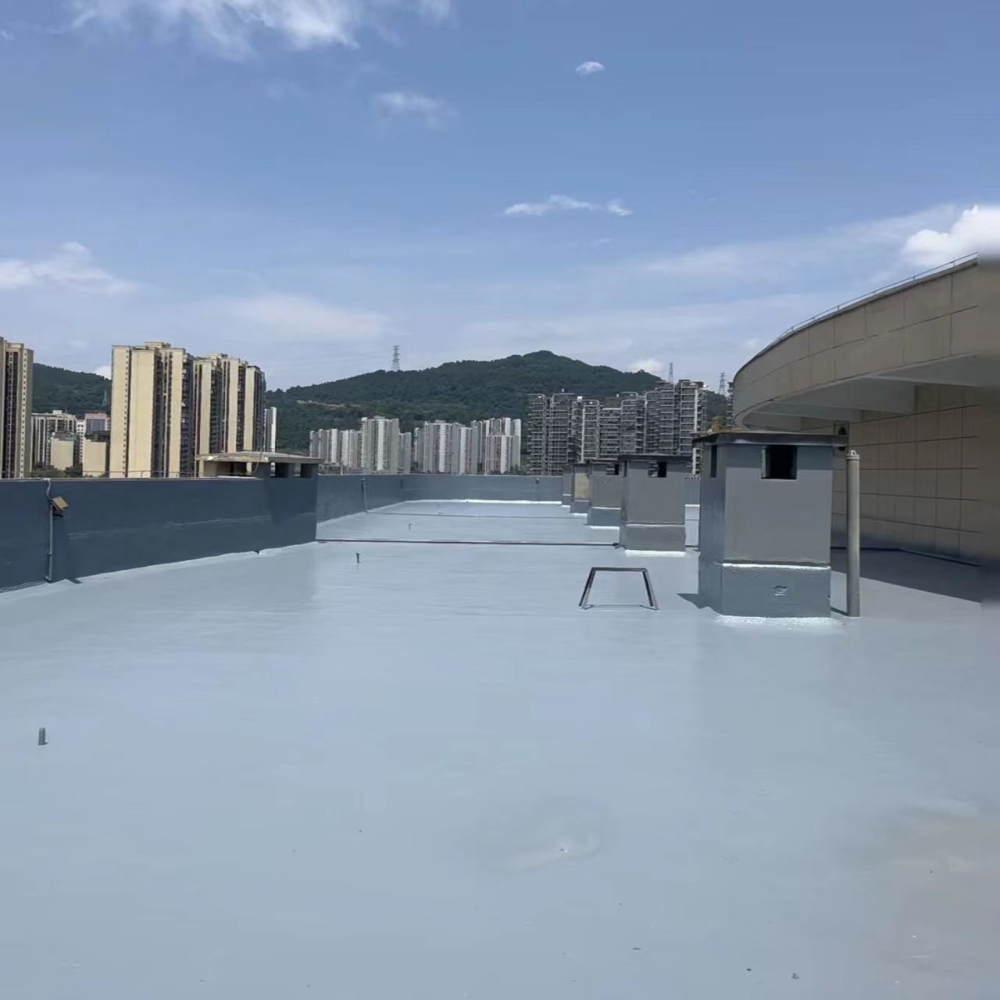
A typical polyurea flooring project may include several stages.
First, the concrete substrate is inspected and prepared.
Cracks and damaged areas are repaired.
A compatible primer may then be applied to improve adhesion.
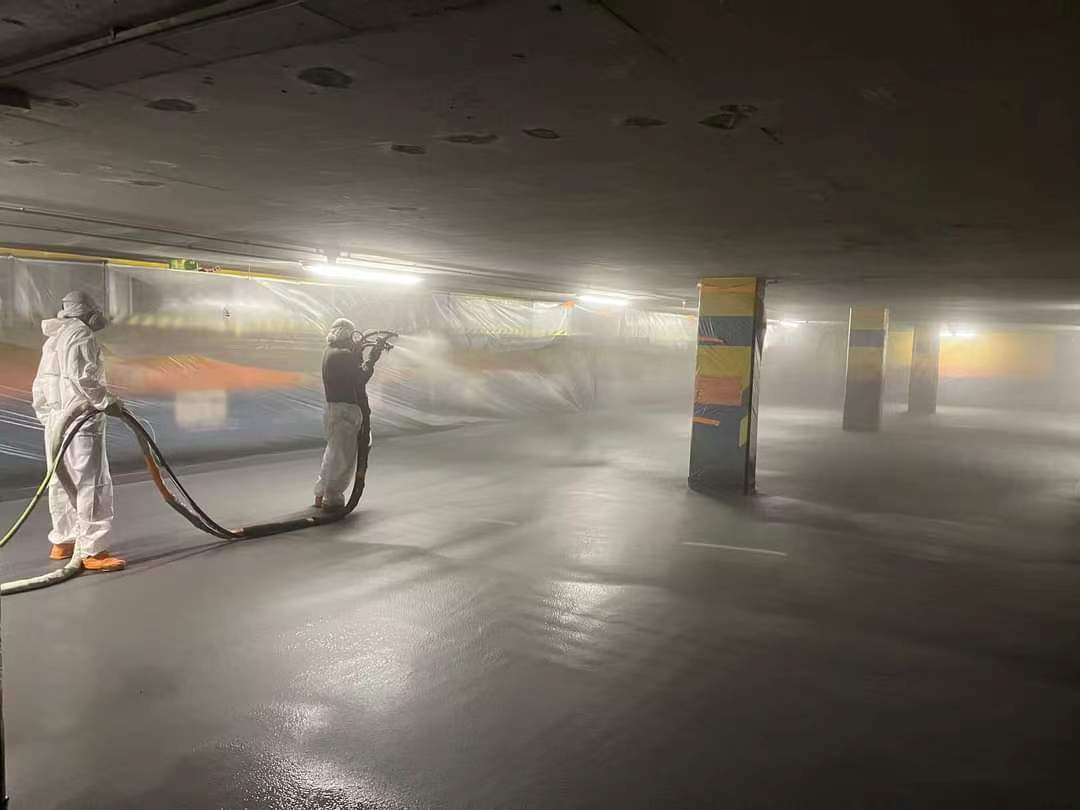
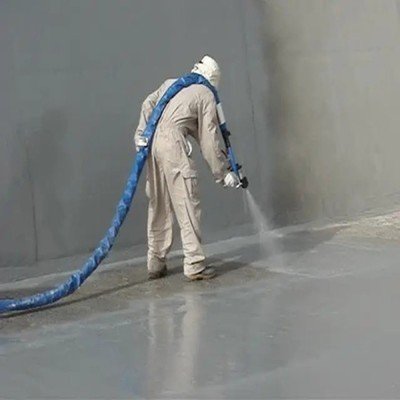
After the primer has reached the required condition, the polyurea coating is applied using specialized spray equipment.
The coating is normally applied evenly to achieve the specified thickness.
For anti-slip applications, suitable aggregate or surface texture may be incorporated into the system.
After curing and inspection, the floor can be returned to service according to the manufacturer's recommendations.
Because polyurea cures rapidly, professional equipment and experienced installers are important for achieving a consistent result.
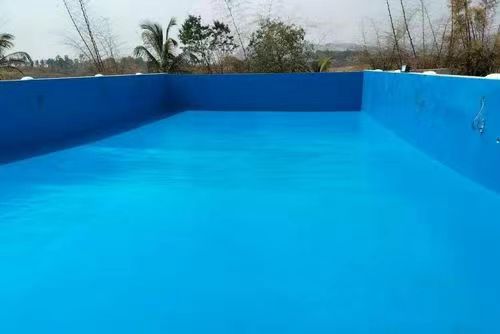
One advantage of a seamless polyurea floor is relatively straightforward maintenance.
Regular cleaning helps remove dust, dirt, oil, and other contaminants.
Heavy chemical spills should be cleaned according to the coating manufacturer's recommendations.
The surface should also be inspected periodically for:
Cracks
Peeling
Blistering
Excessive wear
Mechanical damage
Drainage problems
Early maintenance can help prevent minor surface problems from developing into more extensive repairs.
For commercial and industrial projects, selecting a reliable manufacturer is essential.
A professional polyurea floor coating manufacturer should provide detailed technical information, including:
Product specifications
Application thickness
Curing characteristics
Chemical resistance
Abrasion resistance
UV resistance
Recommended substrate conditions
Application equipment requirements
Storage conditions
Safety information
Technical data sheets
For international projects, reliable packaging, transportation support, technical documentation, and after-sales technical assistance are also important.
Buyers should evaluate the complete coating system rather than selecting a product based only on price.
Polyurea floor coating is a high-performance flooring solution designed for demanding environments where fast curing, flexibility, durability, abrasion resistance, waterproofing, and seamless protection are important.
It can be used in industrial floors, warehouses, parking garages, workshops, commercial facilities, and selected outdoor applications.
However, the final performance of a polyurea floor depends on more than the coating itself.
Substrate preparation, primer compatibility, coating thickness, application equipment, environmental conditions, and installation experience all have a significant influence on the finished floor.
For contractors, distributors, and project owners, selecting a professional polyurea floor coating manufacturer and using a complete, compatible flooring system can help achieve reliable long-term performance.
With the right formulation, proper installation, and regular maintenance, polyurea flooring can provide a durable, seamless, and high-performance surface for a wide range of demanding applications.


