Views: 0 Author: Site Editor Publish Time: 2026-10-17 Origin: Site
Choosing the right playground flooring material is essential for creating a safe, durable, and attractive play environment. Among the available options, EPDM rubber granules are widely used in poured-in-place rubber playground surfaces because of their color variety, weather resistance, and flexible design possibilities.
However, not all EPDM granules are the same. Particle size, material quality, color stability, compatibility with polyurethane (PU) binder, and installation requirements can all affect the final flooring performance.
This complete buying guide explains how to choose EPDM rubber granules for playgrounds, what specifications to compare, and what buyers should consider before placing an order.
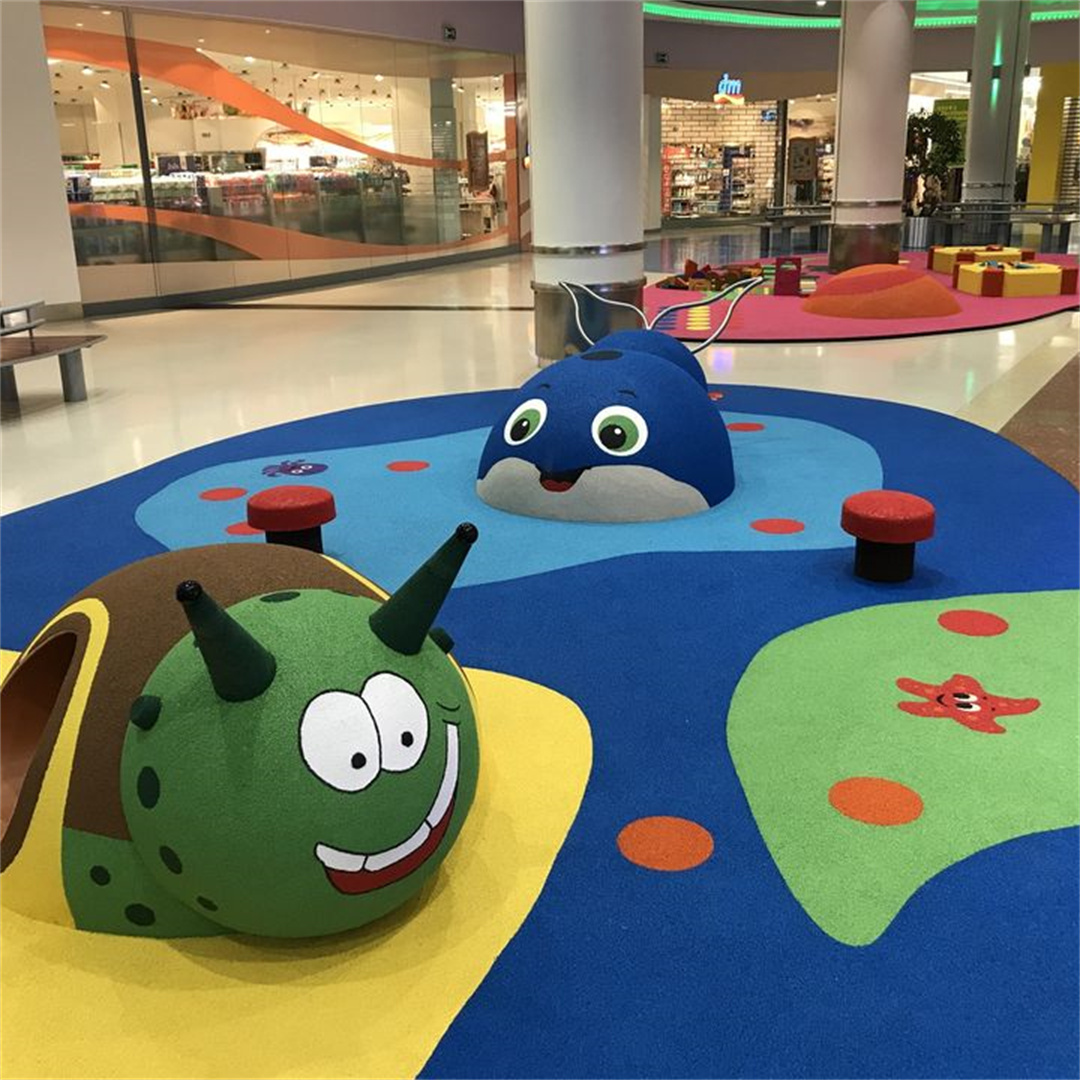
EPDM stands for ethylene propylene diene monomer, a synthetic rubber material known for its weather resistance, flexibility, and durability.
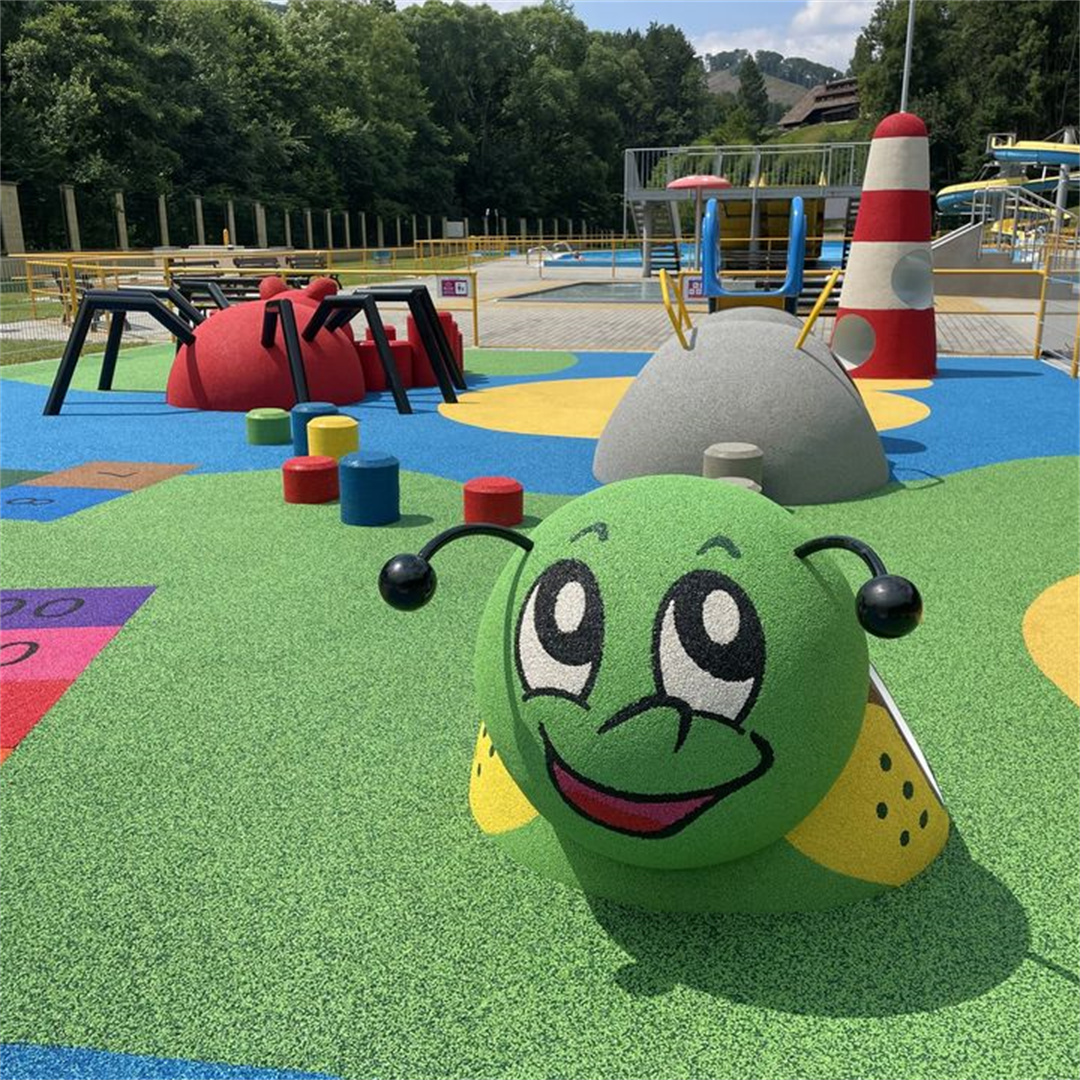
EPDM rubber granules are small, colored rubber particles commonly used to create poured-in-place playground flooring. During installation, the granules are mixed with a suitable polyurethane binder, spread over the prepared surface, and finished to form a continuous rubber surface.
Unlike loose-fill playground materials, bonded EPDM rubber flooring creates a stable surface that can be designed in different colors, patterns, and shapes.
Common applications include:
Kindergarten and preschool playgrounds
Public parks and community play areas
School playgrounds
Outdoor recreational areas
Children's activity zones
Indoor play centers
Walkways and recreational surfaces
For contractors and project developers, EPDM granules offer flexibility in playground design while allowing the flooring system to be adapted to different project requirements.
When comparing playground flooring materials, buyers should evaluate durability, maintenance, appearance, installation requirements, and safety performance.
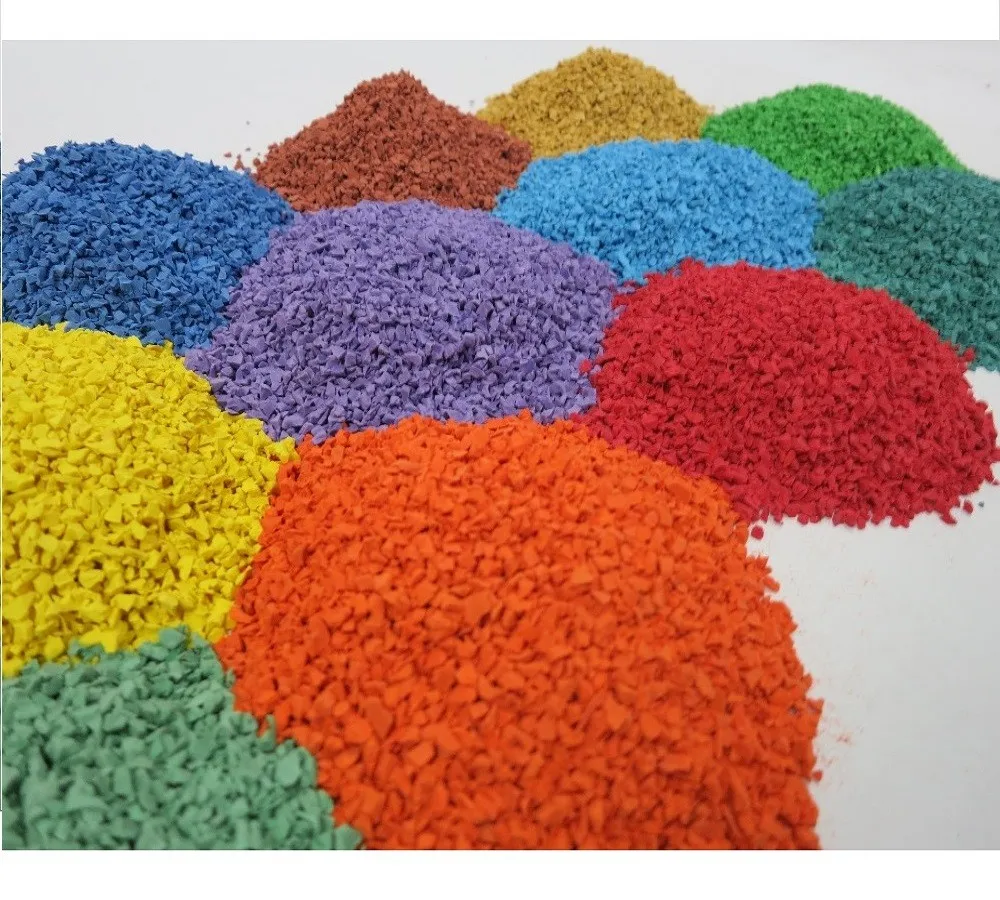
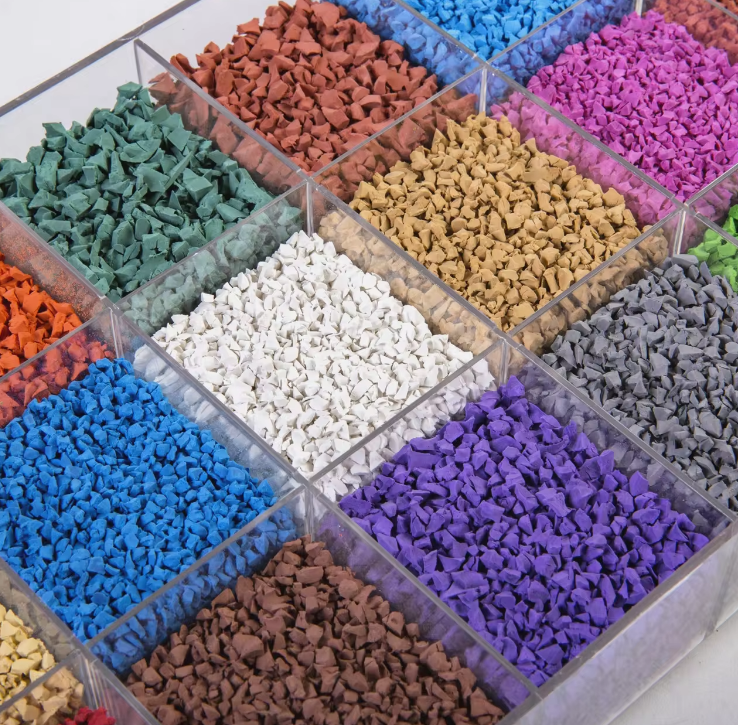
EPDM granules are available in a wide range of colors, including red, green, blue, yellow, gray, and other customized shades.
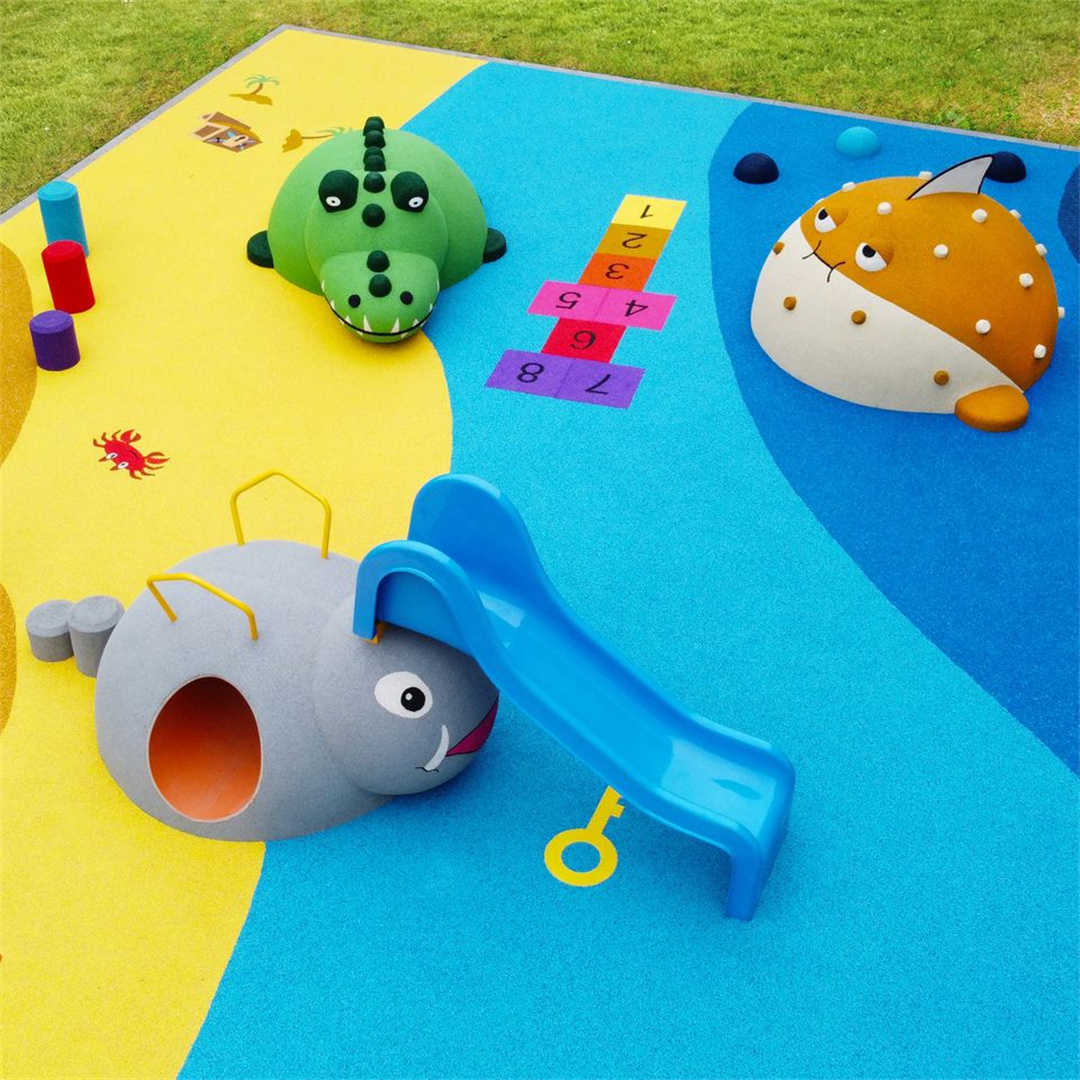
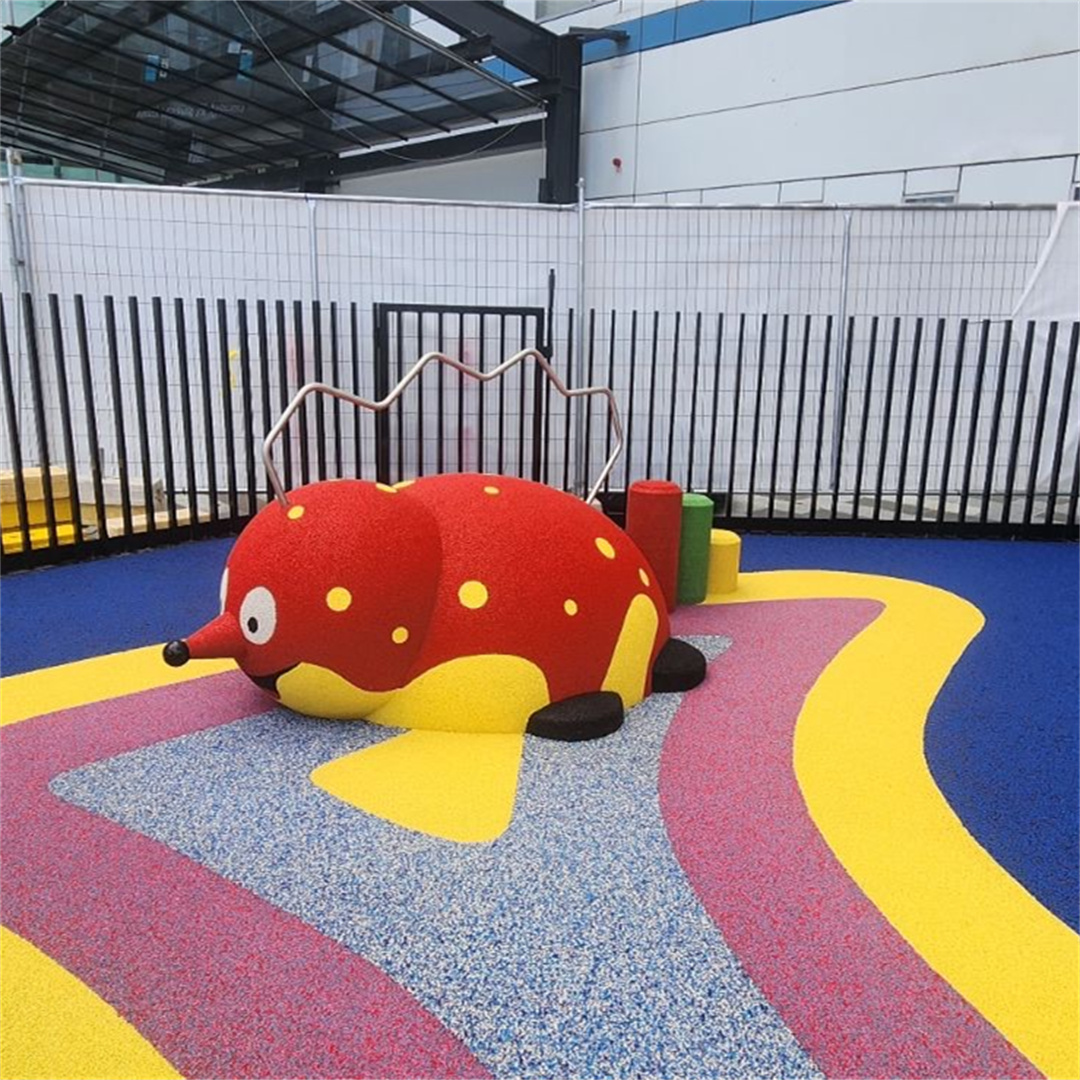
These colors can be combined to create colorful play zones, geometric patterns, educational graphics, and decorative borders. This makes EPDM rubber granules suitable for projects that require both functional flooring and attractive playground designs.
Outdoor playground surfaces are exposed to sunlight, rain, temperature changes, and regular foot traffic.
Quality EPDM materials can provide good resistance to outdoor weathering and ultraviolet exposure. However, actual color retention and long-term performance depend on the EPDM formulation, pigment quality, binder selection, installation quality, and local climate.
For playgrounds in regions with strong sunlight, buyers should ask suppliers for relevant UV and weathering test data rather than relying on general marketing claims.
When properly designed and installed, poured-in-place rubber flooring provides a resilient surface for children's play areas.
The cushioning performance of the complete system depends on factors such as the thickness of the installed surface, the properties of the underlying layers, and the impact-attenuation requirements of the project.
EPDM granules alone do not guarantee compliance with playground fall-height or impact-safety standards.
EPDM granules can be combined in different colors and patterns to suit individual projects. Contractors can create simple single-color surfaces or more complex designs with multiple colors.
The material can also be used as the wearing layer of a multi-layer playground surfacing system, depending on the project specification.
A properly installed bonded rubber surface does not require the routine redistribution associated with loose-fill materials.
Regular inspection, cleaning, and timely repair of damaged areas are still necessary. Drainage design and correct installation are also important for maintaining the surface over time.
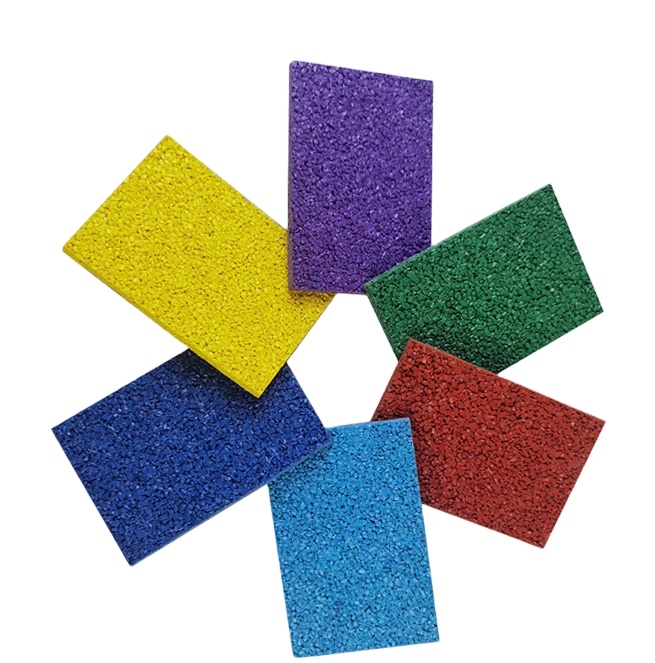
Particle size is an important purchasing specification because it affects the appearance, texture, workability, and material consumption of the finished surface.
Common commercial EPDM granule size ranges include:
| Granule Size | Typical Considerations |
|---|---|
| 0.5–1.5 mm | Fine texture and detailed finishing applications, depending on the product |
| 1–3 mm | Fine to medium surface texture |
| 1–4 mm | A commonly specified range for colored EPDM wearing layers |
| 2–4 mm | Medium granule texture for suitable playground and sports surfacing systems |
| Customized sizes | Available depending on the manufacturer's production capabilities |
These ranges are examples rather than universal standards. Actual availability varies by supplier and intended application.
For a playground wearing layer, buyers should consider the desired surface texture, installation method, binder compatibility, and project specification.
Before purchasing, confirm the following details with your supplier:
Nominal particle size and permitted size variation
Particle shape and surface appearance
Color consistency between batches
Presence of excessive dust or unwanted foreign material
Compatibility with the selected PU binder
Suitability for the intended installation system
Requesting a representative sample is a practical way to evaluate granule appearance and consistency before ordering in bulk.
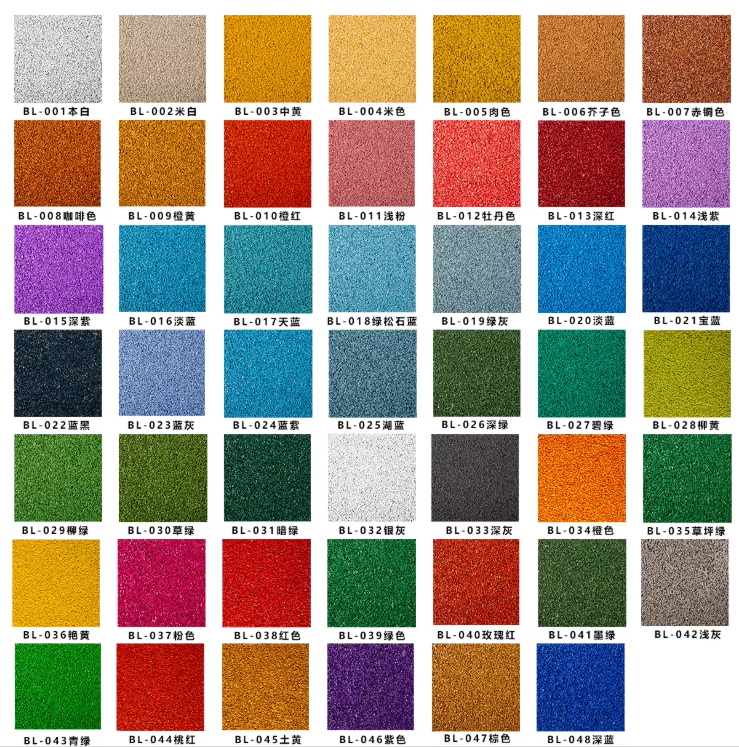
Color is often one of the first considerations when choosing EPDM rubber granules for playgrounds.
Popular colors include:
Red: Suitable for play zones, running paths, and visual accents.
Green: Often used for natural-themed playground designs.
Blue: Commonly used for activity zones and decorative patterns.
Yellow: Useful for bright play areas and visual contrasts.
Gray and black: Suitable for borders, neutral areas, or selected design combinations.
Custom colors: Available according to the supplier's product range and minimum order requirements.
When ordering multiple colors, ask whether the supplier can maintain color consistency across different production batches.
It is also important to distinguish between the color of the raw EPDM granules and the appearance of the installed surface. The finished result can be influenced by granule distribution, binder coverage, installation conditions, and the lighting environment.
For large playground projects, approve a physical color sample before confirming mass production.
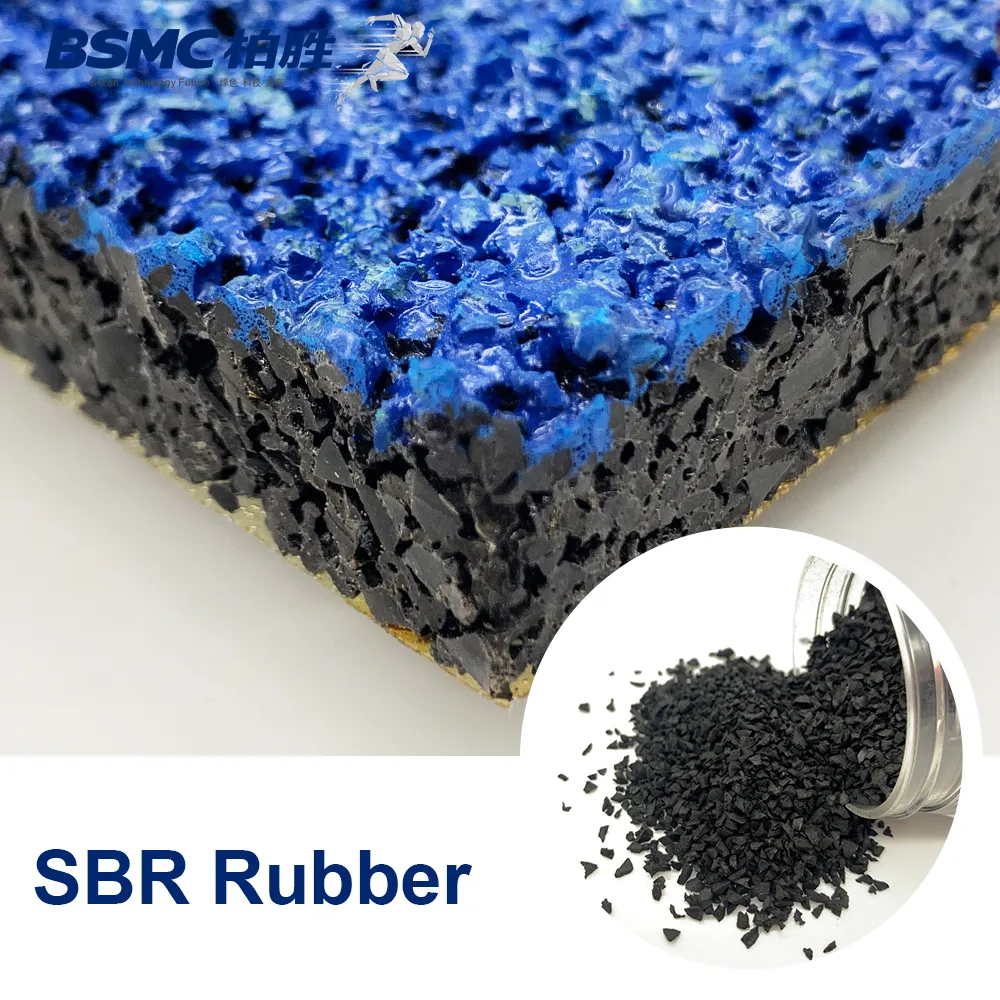
EPDM and SBR are both used in rubber playground flooring systems, but they serve different purposes depending on the project design and budget.
| Comparison | EPDM Rubber Granules | SBR Rubber Granules |
|---|---|---|
| Typical role | Colored wearing layer | Commonly used in base layers and selected surface systems |
| Color options | Broad range of colored options | Often black, with colored options depending on the product |
| UV and weathering | Depends on formulation and quality; generally selected for exposed colored surfaces | Depends on formulation and quality |
| Appearance | Suitable for decorative, multi-color designs | Often selected where cost-effective base material is required |
| Purchasing considerations | Color consistency, weathering data, particle size | Material quality, intended layer, particle size, and system compatibility |
| Cost | Often higher for colored surface granules | Often more economical, particularly for black granules |
For many poured-in-place playground systems, contractors use SBR rubber granules in a suitable base layer and EPDM granules in the colored wearing layer.
This configuration can help balance project cost and surface appearance. However, the correct construction system depends on the required impact performance, design specification, and approved installation method.
EPDM and SBR should not be treated as interchangeable materials without checking their intended application and compatibility with the binder.
Accurate material estimation helps buyers control project costs, reduce waste, and arrange delivery efficiently.
The required quantity depends mainly on the playground area, finished layer thickness, material density, installation method, and expected waste.
A basic calculation is:
EPDM granule quantity = Area × Thickness × Estimated bulk density × Allowance factor
For example, consider a playground with the following specifications:
Playground area: 100 m²
EPDM wearing-layer thickness: 10 mm, or 0.01 m
Illustrative installed-mixture density: 1,000 kg/m³
Illustrative material allowance: 5%
The estimated total installed mixture volume is:
100 m² × 0.01 m = 1 m³
The estimated mass of the installed mixture is:
1 m³ × 1,000 kg/m³ = 1,000 kg
Including the illustrative 5% allowance:
1,000 kg × 1.05 = 1,050 kg of total mixture
Important: This example estimates the total EPDM-and-binder mixture, not EPDM granules alone. The actual quantity of granules must be calculated using the specified granule-to-binder mixing ratio and the product's actual material characteristics.
The density and allowance used here are illustrative assumptions, not universal EPDM product specifications.
For a more accurate quotation, provide your supplier with the playground area, layer thickness, required granule size, color selection, and installation system.
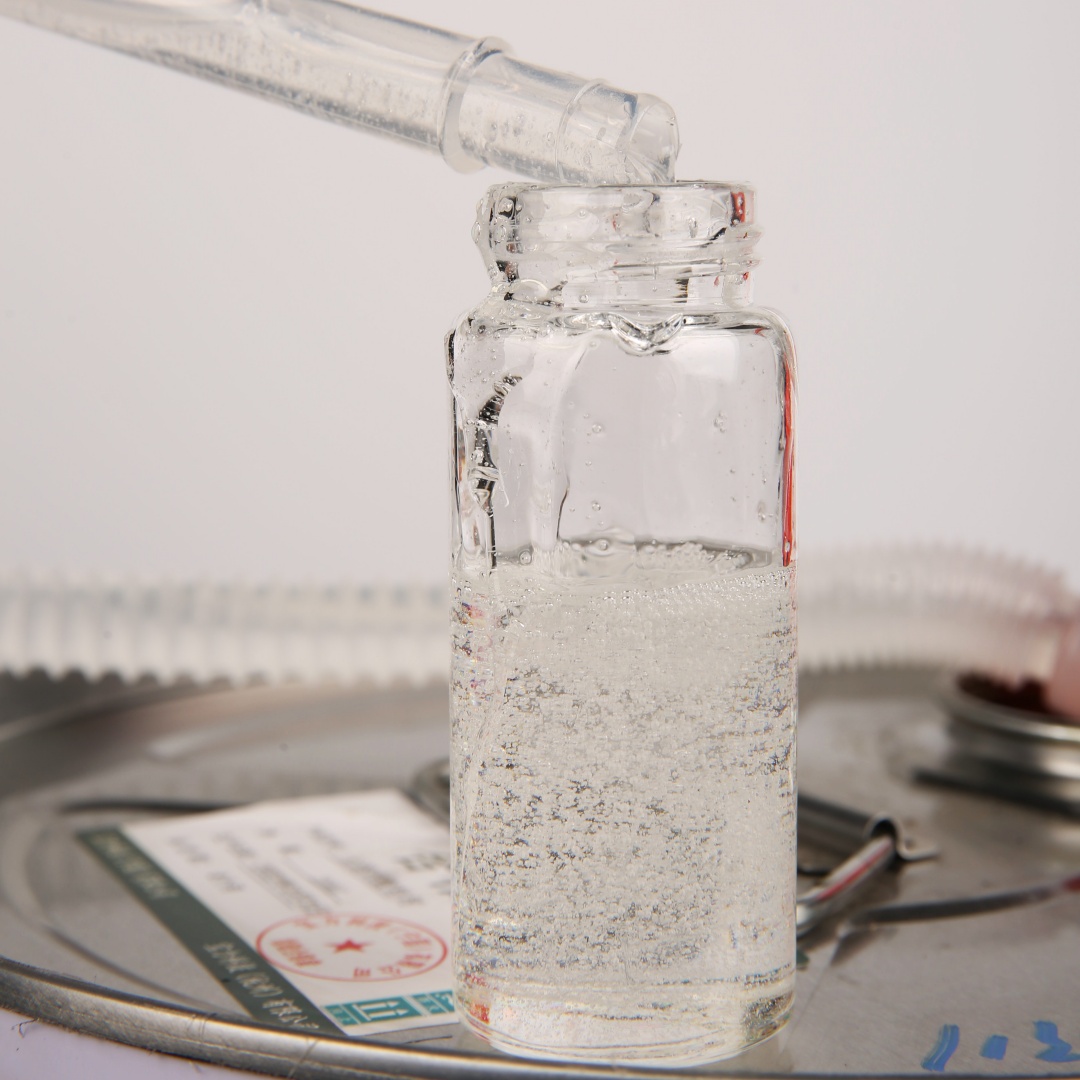
EPDM granules are commonly installed using polyurethane binder. The binder holds the rubber particles together and helps form a continuous surface.
Selecting compatible materials is essential for achieving the intended installation quality.
Before purchasing, confirm these points:
Not every PU binder is suitable for every EPDM granule formulation or installation method.
Ask your supplier to confirm that the recommended binder is compatible with the selected EPDM granules and the intended application.
Single-component and two-component polyurethane binders have different formulations, curing mechanisms, and handling requirements.
The appropriate option depends on the flooring system, installation conditions, and manufacturer recommendations.
Do not choose a binder solely because it is cheaper or more readily available.
The required mixing ratio must come from the supplier's technical data sheet for the specific products being used.
For example, if a supplier specifies a granule-to-binder ratio of 5:1 by weight for a particular system, follow that specification rather than applying the same ratio to every product.
Incorrect proportions may affect bonding, workability, curing, and surface quality.
Temperature, humidity, substrate preparation, mixing time, and curing conditions can influence installation results.
For outdoor playground projects, contractors should follow the binder manufacturer's application instructions and avoid installation conditions outside the recommended limits.
When sourcing EPDM rubber granules for playgrounds, buyers should request product information and supporting test reports that match the intended application.
Important checks include:
Material identification: Confirm that the supplied material is EPDM granules rather than another rubber material.
Particle size: Verify the specified size range and consistency.
Color quality: Review physical samples and available colorfastness or weathering data.
Material consistency: Check for excessive dust, contamination, and visible production defects.
Binder compatibility: Confirm suitability for the proposed installation system.
Technical documentation: Request the technical data sheet and applicable safety documentation.
Playground impact performance: Confirm that the complete installed surfacing system has the required test evidence for the project's critical fall height and applicable local standards.
A supplier's general statement that its EPDM granules are suitable for playgrounds does not, by itself, prove that the finished flooring system complies with a particular safety standard.
If the project is in the United States, Europe, Australia, or another regulated market, identify the applicable local requirements before selecting the materials.
For contractors, distributors, and project developers, choosing the right manufacturer can be as important as choosing the right material.
Consider the following factors when comparing suppliers.
Check whether the manufacturer offers the required particle sizes, colors, and material options for your project.
A supplier with a suitable product range can simplify sourcing for projects that require multiple colors or repeated orders.
Ask about production consistency, batch identification, and inspection procedures.
For repeat projects, stable specifications and clear batch records can help reduce differences between deliveries.
Request samples before placing a large order. Compare color, particle size, surface appearance, and compatibility with the proposed binder.
Where practical, conduct a small installation trial before starting a large project.
Confirm the packaging type, net weight per bag, pallet arrangement if applicable, and loading quantity.
International buyers should also clarify lead times, shipping terms, export documentation, and the handling requirements for the products being shipped.
A reliable supplier should be able to provide clear product specifications and help buyers identify suitable materials for their intended applications.
For complex projects, request written recommendations based on the project requirements rather than relying on a general product description.
To receive a more accurate quotation for EPDM rubber granules for playgrounds, prepare the following information:
Application: Kindergarten, public playground, school, park, or indoor play area.
Project area: Total square meters requiring surfacing.
Granule size: Your preferred particle size or the range specified by your contractor.
Color requirements: Standard colors or customized colors.
Estimated quantity: Total kilograms or metric tons, if already calculated.
Binder requirements: Whether you need EPDM granules only or both granules and compatible PU binder.
Delivery destination: Country, port, or delivery address as required for shipping calculations.
Project schedule: Expected order date and delivery deadline.
Providing these details helps suppliers recommend a more suitable product specification and prepare a quotation based on your actual project needs.
EPDM rubber granules are a practical material choice for colorful, bonded playground flooring systems. However, the best product is not necessarily the cheapest option or the one with the widest color selection.
Buyers should compare particle size, color consistency, weathering performance, binder compatibility, technical documentation, and supplier reliability before placing an order.
For large projects, request physical samples, confirm the installation system, and verify that the complete playground surface meets the required impact-safety standards.
Baoli Technology supplies sports and playground surfacing materials, including EPDM rubber granules and polyurethane binder. For project-based sourcing, share your required colors, particle size, quantity, and application so that the appropriate material options can be evaluated.
Looking for EPDM Rubber Granules for Your Playground Project?
Contact Baoli Technology to discuss your product specifications, color requirements, and bulk purchasing needs.
Whether you are a playground contractor, sports surfacing distributor, or project developer, selecting the right materials is the first step toward a reliable flooring installation.