

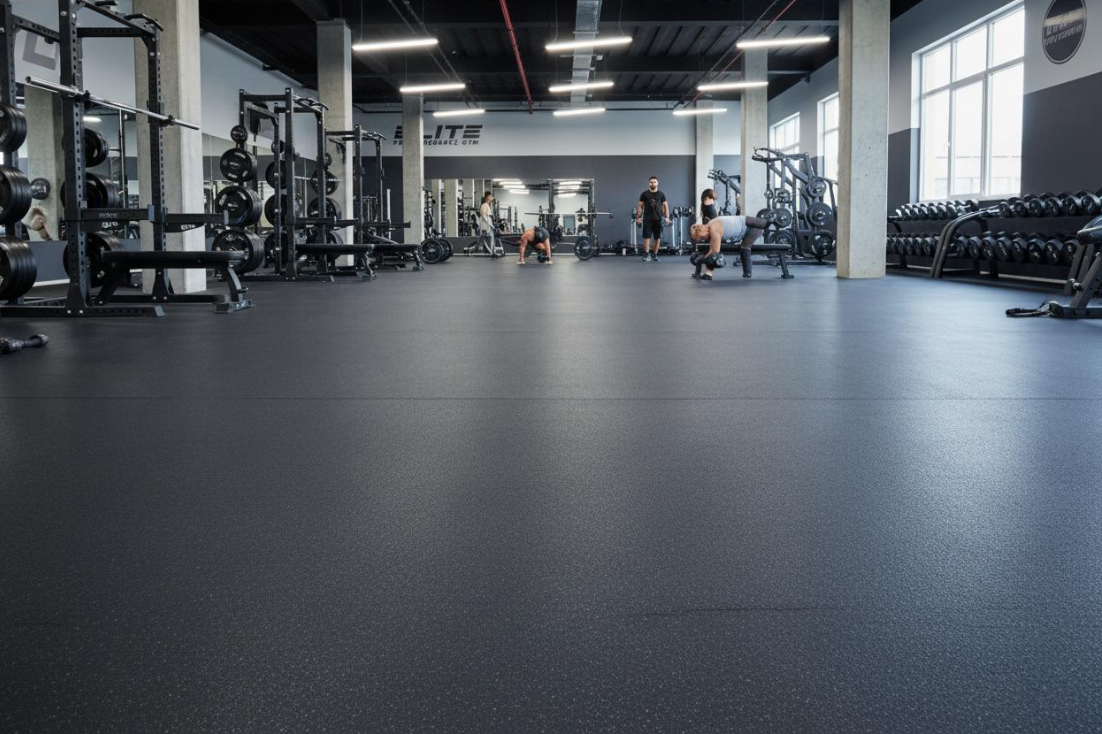
Rubber mat adhesive is a specialized bonding material used to install rubber mats and rubber flooring on concrete, asphalt, wood, metal, and other suitable substrates.
It is widely used in gyms, fitness centers, playgrounds, sports facilities, weight rooms, running areas, workshops, and commercial spaces.
A suitable adhesive does more than simply attach a rubber mat to the floor. It helps maintain dimensional stability, reduce movement, prevent lifting or curling, and improve the overall durability of the flooring system.
With the growing demand for safe, comfortable, and durable rubber flooring, choosing the right rubber mat adhesive has become an important consideration for contractors, distributors, and flooring installers.
Rubber mat adhesive is an adhesive system specifically formulated for bonding rubber flooring products to a prepared substrate.
Depending on the product formulation, rubber mat adhesives can be based on polyurethane, modified polymers, acrylics, or other adhesive technologies.
For heavy-duty sports and outdoor applications, polyurethane-based adhesive is commonly considered because of its strong bonding performance, flexibility, and resistance to environmental stress.
Rubber mat adhesives are available in different forms, including one-component and two-component systems.
The appropriate product depends on the rubber material, substrate, installation environment, expected load, and project requirements.
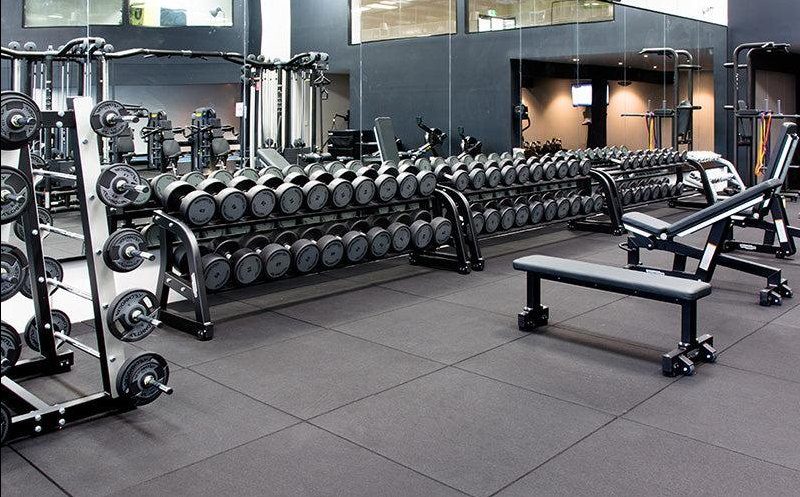
The adhesive is an important part of the complete flooring system.
Even a high-quality rubber mat can perform poorly if it is installed with an unsuitable adhesive.
A good rubber mat adhesive should provide reliable adhesion between the rubber flooring and the substrate.
Strong bonding helps prevent the mat from moving, lifting, or separating during daily use.
This is especially important in gyms, fitness centers, and areas exposed to heavy foot traffic or equipment movement.
Rubber flooring naturally expands and contracts with changes in temperature and environmental conditions.
A flexible adhesive can accommodate a certain degree of movement while maintaining the bond between the rubber mat and substrate.
This characteristic is particularly valuable for rubber flooring systems installed in demanding environments.
Rubber mats are commonly used in areas where floors are exposed to impact from weights, fitness equipment, tools, or heavy traffic.
A suitable adhesive helps maintain the connection between the mat and the substrate when the flooring experiences repeated mechanical stress.
For some applications, the flooring system may be exposed to humidity, cleaning water, or outdoor moisture.
An adhesive with appropriate moisture resistance can help maintain bonding performance under the expected environmental conditions.
Rubber mat adhesive can be used in a wide range of flooring applications.
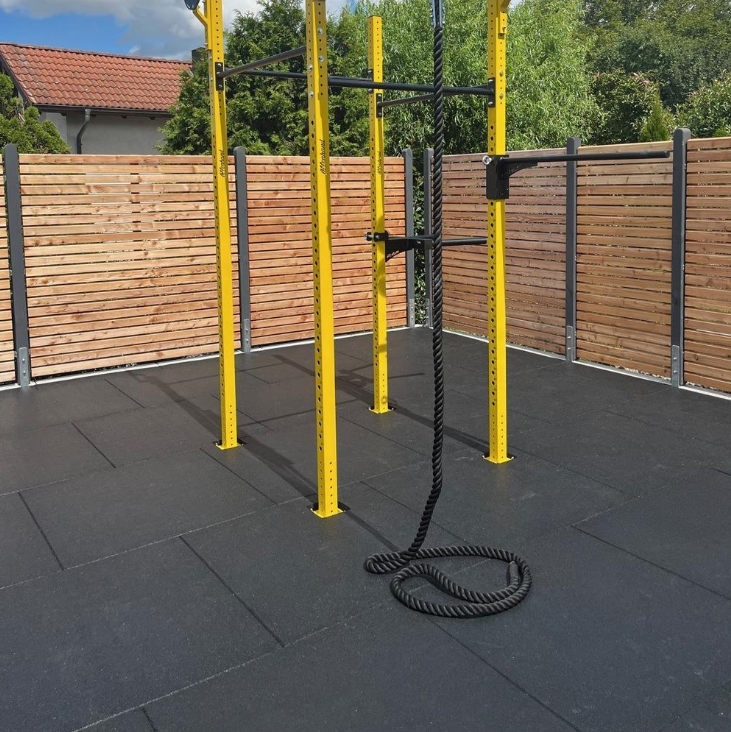
Rubber mats are widely used in weight rooms, fitness areas, and training facilities.
They can help protect the underlying floor from impact while providing a durable and resilient walking surface.
A reliable adhesive helps prevent individual mats from shifting during intensive workouts.
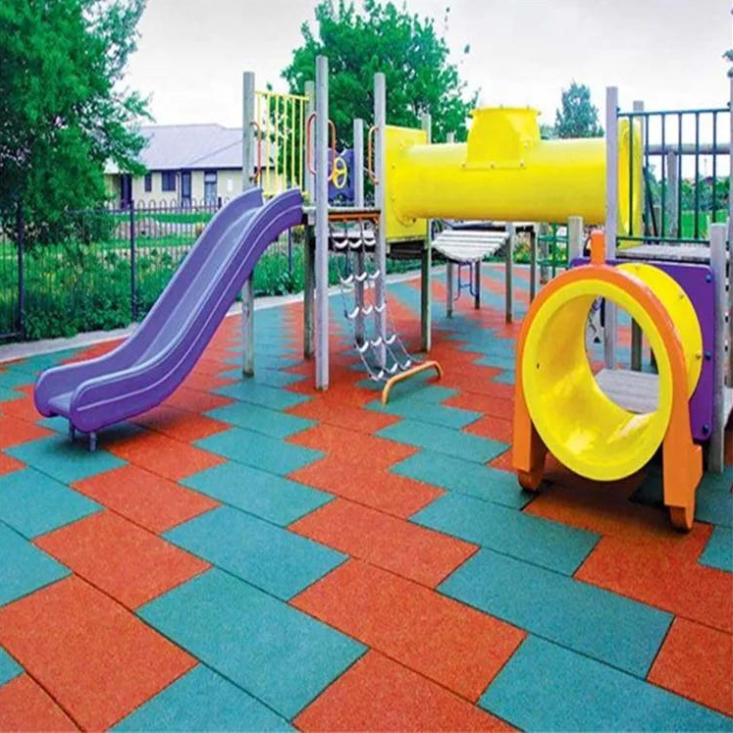
Rubber mats and rubber flooring are commonly used in playground environments.
The flooring system can provide cushioning and a more comfortable surface compared with hard concrete.
For playground applications, the adhesive should be selected according to the rubber material, substrate, outdoor exposure, and applicable safety requirements.
Rubber flooring can be used in training areas, indoor sports facilities, athletic zones, and recreational spaces.
The adhesive needs to maintain reliable bonding under repeated foot traffic and sports activities.
Outdoor rubber mats may be exposed to rain, sunlight, temperature fluctuations, and humidity.
For these applications, the adhesive should be specifically suitable for the expected outdoor conditions.
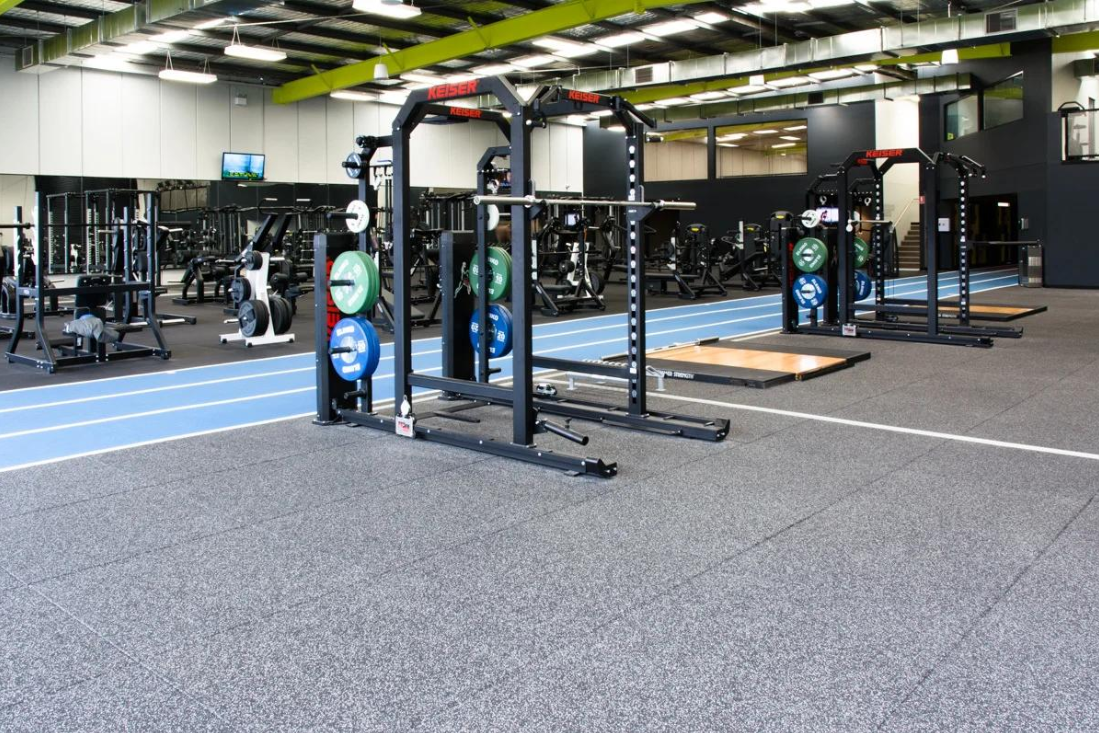
The substrate has a significant influence on adhesive selection.
Concrete is one of the most common substrates for rubber flooring.
Before installation, the concrete should be clean, stable, sufficiently dry, and free from oil, dust, loose particles, and other contaminants.
Cracks and uneven areas should be repaired before adhesive application.
Rubber flooring may also be installed over suitable asphalt substrates.
The compatibility between the adhesive, rubber mat, and asphalt should be evaluated before construction.
Wood substrates require careful inspection because moisture movement and dimensional changes can affect the flooring system.
The adhesive should be compatible with both the wood substrate and rubber material.
Selecting an adhesive based only on price can lead to installation problems.
Several technical factors should be evaluated.
The adhesive should provide sufficient bonding strength for the expected application.
Heavy-duty gym flooring may require stronger bonding performance than light-use residential mats.
A flexible adhesive can accommodate movement between the rubber mat and substrate.
This is particularly important for large rubber mats and areas subject to temperature fluctuations.
Curing speed can affect installation efficiency.
A fast-curing adhesive may allow the flooring to return to service sooner, while a slower-curing system may provide a longer working time for installation.
The appropriate curing speed depends on the construction method and project schedule.
Indoor and outdoor flooring can experience different temperature conditions.
For outdoor applications, the adhesive should be evaluated for resistance to temperature fluctuations and environmental exposure.
If the rubber mat is installed in an area exposed to moisture, the adhesive should have suitable resistance to water and humidity.
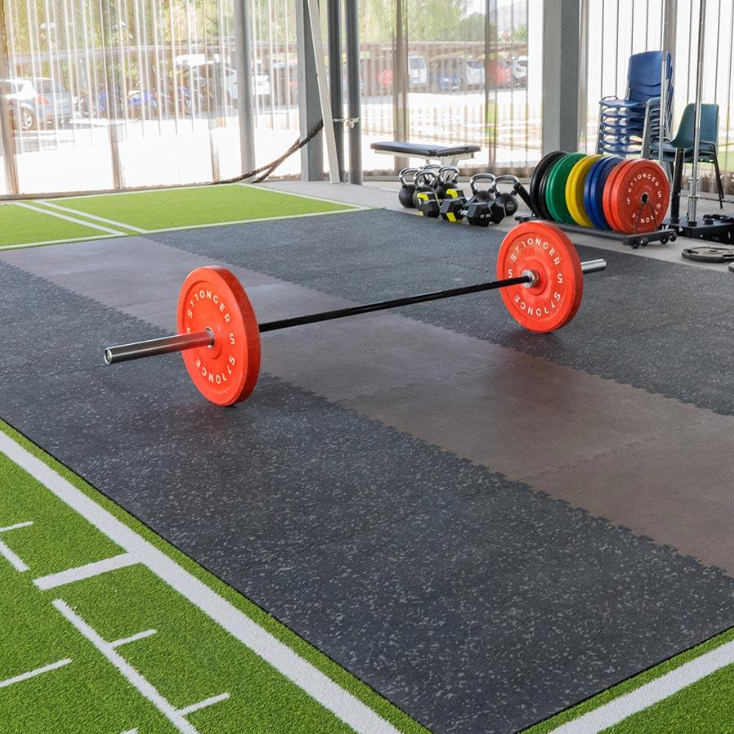
Rubber mat adhesive and PU binder are related but serve different purposes.
PU binder is commonly used to bind loose rubber granules together to form a continuous rubber flooring surface.
Rubber mat adhesive, on the other hand, is primarily used to bond a pre-manufactured rubber mat or rubber sheet to a substrate.
For example, EPDM granules can be mixed with PU binder to create a poured-in-place rubber surface.
A prefabricated rubber mat may instead be installed using a suitable rubber mat adhesive.
Choosing the correct material depends on the flooring construction method.
Proper installation is essential for achieving reliable bonding.
The substrate should be cleaned thoroughly and checked for moisture, cracks, dust, oil, and uneven areas.
The rubber mat should be clean, dry, and free from dust or contaminants.
It should also be measured and positioned correctly before applying adhesive.
The adhesive should be applied according to the manufacturer's recommended method and coverage rate.
Depending on the adhesive type, a suitable trowel, roller, or other application tool may be required.
The mat should be positioned carefully and pressed firmly against the adhesive layer.
Air pockets and uneven areas should be minimized.
The flooring should remain undisturbed during the recommended curing period.
Heavy traffic or equipment should not be introduced before the adhesive has sufficiently cured.
Proper maintenance can help extend the service life of rubber flooring.
Regular cleaning helps remove dust, dirt, and other contaminants.
Heavy equipment should be moved carefully to avoid excessive stress on the flooring.
The surface should also be inspected periodically for:
Lifting edges
Loose areas
Open joints
Surface damage
Moisture problems
If a mat begins to lift or separate from the substrate, it should be repaired promptly to prevent further damage.
For commercial and international flooring projects, supplier selection is important.
A professional rubber mat adhesive manufacturer should be able to provide:
Technical specifications
Recommended substrates
Application instructions
Coverage information
Curing time
Storage conditions
Packaging options
Safety information
Technical data sheets
Technical support
For export projects, buyers should also consider packaging quality, transportation requirements, product consistency, and after-sales technical support.
Rubber mat adhesive is an essential component for many rubber flooring installation projects.
It provides the bonding strength needed to connect rubber mats with concrete, asphalt, wood, and other suitable substrates.
A high-quality adhesive should offer a suitable balance of adhesion, flexibility, durability, moisture resistance, and environmental performance.
When selecting rubber mat adhesive, buyers should consider the type of rubber flooring, substrate condition, indoor or outdoor environment, expected traffic, temperature, moisture, curing time, and installation method.
Most importantly, the adhesive should be compatible with the complete flooring system.
With the right adhesive, proper substrate preparation, professional installation, and regular maintenance, rubber mat flooring can provide a stable, durable, and comfortable surface for gyms, playgrounds, sports facilities, fitness areas, and other demanding applications.


