

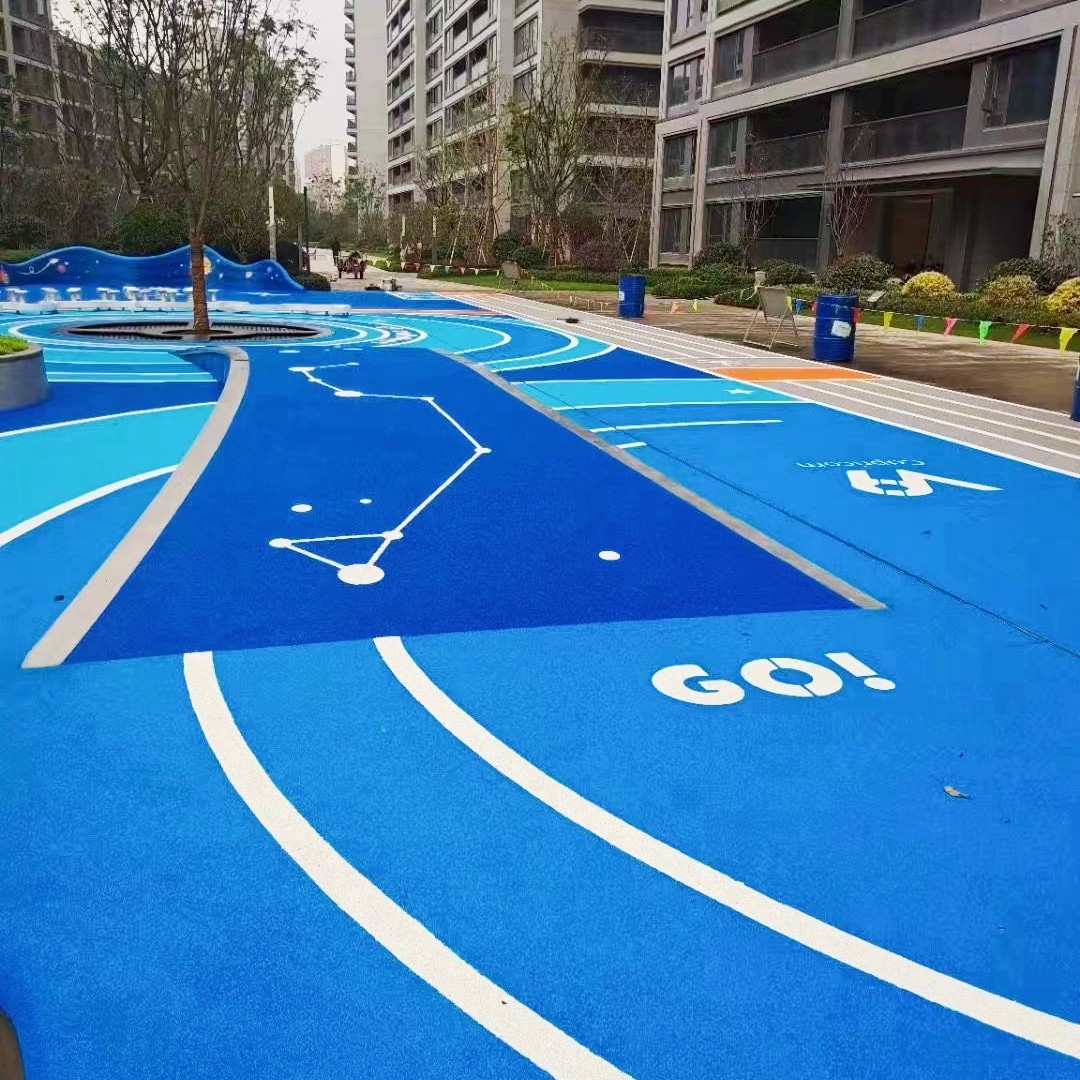
A rubber running track is a specialized sports surface designed for running, training, athletics, schools, universities, stadiums, and community sports facilities.
Compared with traditional concrete or asphalt surfaces, a properly designed rubber running track can provide better elasticity, traction, comfort, and resistance to repeated athletic impact.
Modern synthetic running tracks commonly use polyurethane systems, rubber granules, EPDM rubber granules, and other specialized materials to create a durable and resilient sports surface.
The performance of a rubber running track depends not only on the quality of the rubber material but also on the complete flooring structure, installation method, substrate preparation, drainage, and maintenance.
For contractors, sports facility developers, distributors, and project owners, understanding the materials and construction requirements is essential when selecting a rubber running track system.
A rubber running track is a synthetic athletic surface made from rubber-based materials and bonding systems.
It is designed to provide a stable and resilient surface for running and other track-and-field activities.
A typical synthetic track may include several layers, such as:
Concrete or asphalt substrate
Primer
Elastic rubber base layer
Polyurethane binder
EPDM rubber granule surface layer
Track coating or finishing layer
The exact structure varies according to the project design, track type, climate, usage requirements, and applicable standards.
A professional rubber running track should be designed as a complete system rather than simply a layer of rubber granules.
Running creates repeated impact between an athlete's shoes and the ground.
A hard surface can transmit significant impact forces through the body.
A properly engineered rubber running track provides a resilient surface that can deform slightly under load and recover after impact.
Elasticity is one of the most important characteristics of a synthetic running surface.
Rubber materials can provide a degree of flexibility and resilience, helping create a more comfortable surface for repetitive running activities.
Athletes need sufficient grip when accelerating, changing direction, or running at high speed.
The surface texture and aggregate size of a rubber running track can influence traction.
The surface should provide appropriate grip without becoming excessively rough.
A running track can experience thousands of hours of use.
Professional sports facilities, schools, and community tracks may receive continuous foot traffic throughout the year.
A durable rubber running track can help withstand repeated mechanical stress and outdoor exposure.
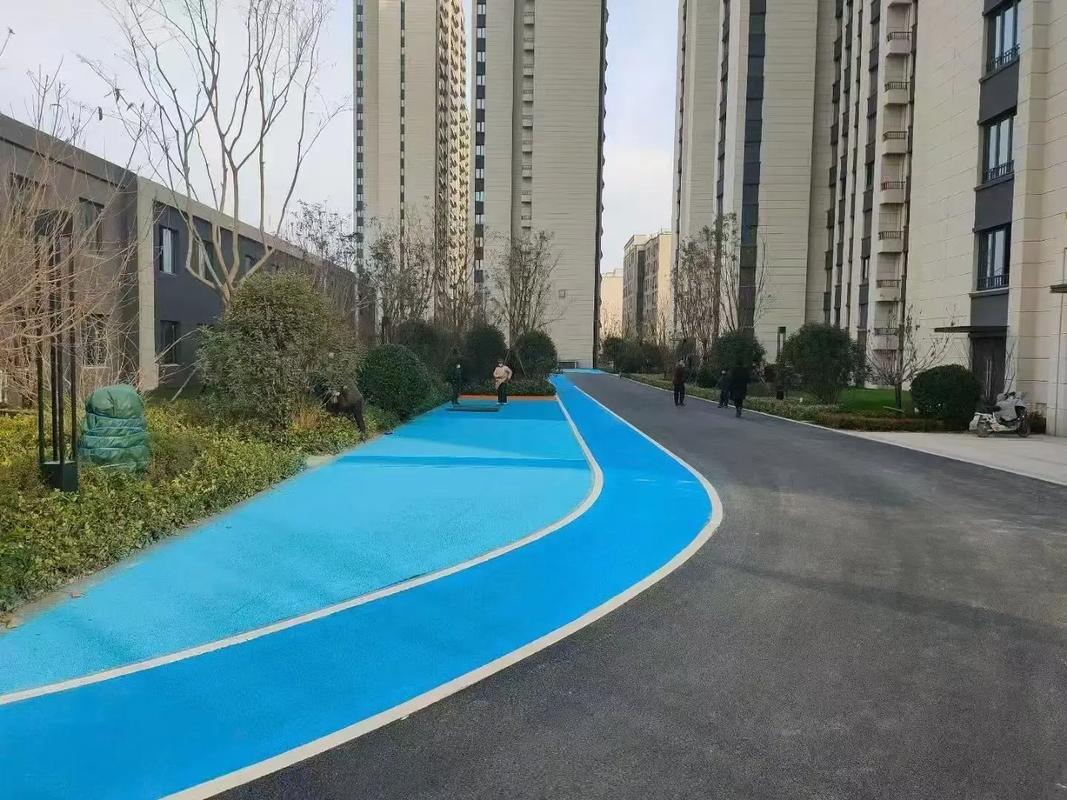
EPDM rubber granules are widely used in the visible surface layer of synthetic running tracks.
EPDM stands for Ethylene Propylene Diene Monomer, a synthetic rubber known for its resistance to UV radiation, ozone, moisture, and weathering.
EPDM granules are available in various particle sizes and colors.
Common particle sizes include:
1–2 mm
1–3 mm
1–4 mm
2–4 mm
3–5 mm
Particle size can affect the appearance, texture, and construction characteristics of the final surface.
For a professional rubber running track, the appropriate granule size should be selected according to the complete flooring system and construction method.
A PU binder, or polyurethane binder, is another important component of many synthetic running track systems.
The binder bonds rubber granules together and helps create a stable surface structure.
In a typical installation, EPDM rubber granules are mixed with PU binder at a controlled ratio.
The mixture is then spread over the prepared surface and allowed to cure.
The quality and dosage of the PU binder can significantly affect the final flooring performance.
Too little binder may result in weak bonding and loose particles.
Too much binder may affect surface texture, elasticity, appearance, and material cost.
Therefore, the recommended binder-to-granule ratio should always follow the manufacturer's technical specifications.
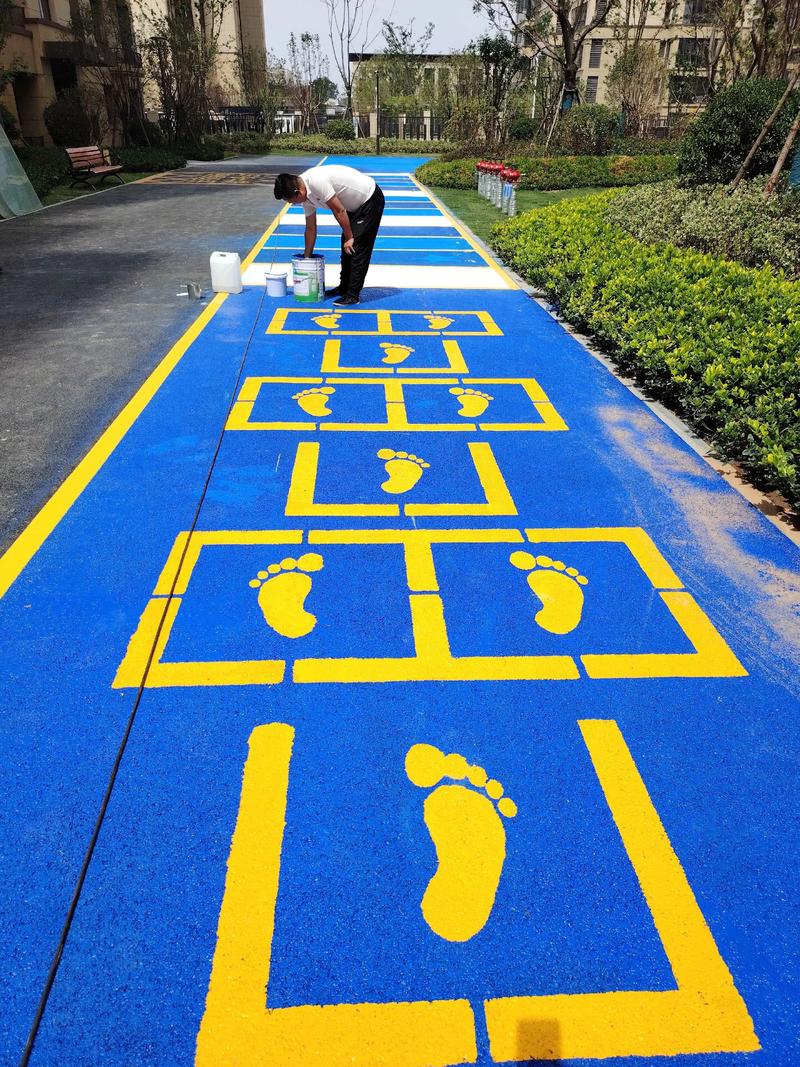
Different types of synthetic tracks can have different structures.
One common approach uses a resilient rubber base layer combined with a colored EPDM surface.
The base layer provides cushioning and structural support.
The EPDM surface provides color, texture, and additional protection against outdoor conditions.
Other systems may use different polyurethane formulations or prefabricated rubber materials.
The correct structure depends on factors such as:
Expected traffic
Climate
Substrate
Required performance
Budget
Maintenance requirements
Project specifications
For large stadiums and professional athletic facilities, the track design should be developed according to the required technical and performance standards.
Outdoor running tracks are exposed to sunlight, rain, humidity, temperature changes, and environmental contaminants.
UV resistance is therefore an important consideration.
High-quality EPDM rubber is designed to provide good resistance to UV exposure and weathering.
This can help the visible surface maintain its physical properties and appearance during outdoor use.
However, the performance of a rubber running track depends on the entire system.
The quality of the EPDM granules, PU binder, pigments, substrate, installation, and drainage all influence long-term durability.
For projects in regions with strong sunlight or high humidity, buyers should request technical information regarding weather resistance and outdoor performance.
Water management is an important part of running track construction.
Standing water can negatively affect the surface and underlying structure.
Before installation, contractors should evaluate the site's drainage conditions and surface slope.
The substrate should be:
Stable
Clean
Properly leveled
Free from loose materials
Suitable for the selected system
Cracks, damaged areas, and other substrate defects should be repaired before the rubber flooring is installed.
Proper preparation helps improve adhesion and reduces the risk of premature surface problems.
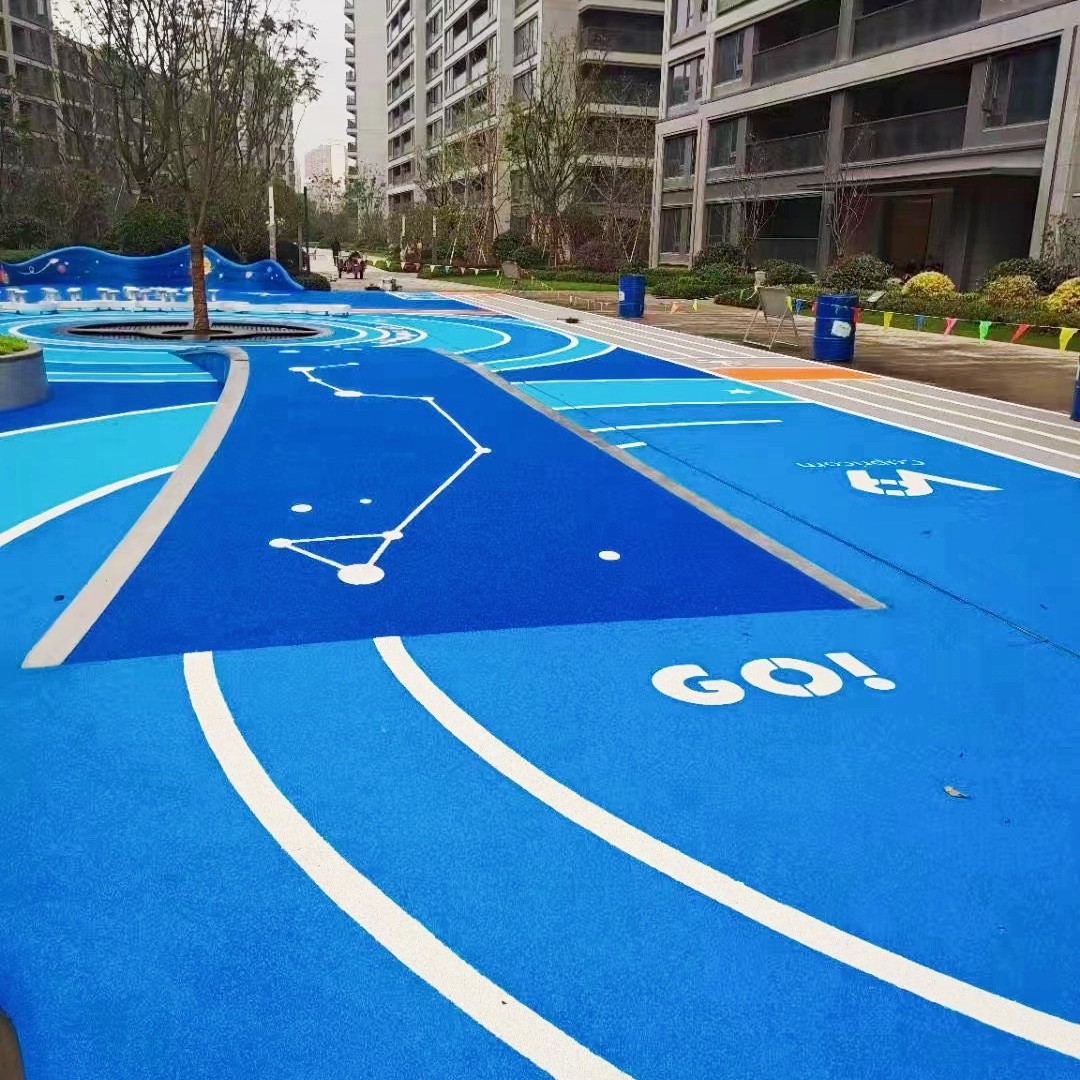
Professional installation is essential for achieving consistent results.
The general installation process may include substrate preparation, primer application, rubber base layer installation, surface preparation, EPDM granule application, and finishing.
The EPDM granules should be mixed evenly with the recommended PU binder.
The mixture should then be applied at the specified thickness and leveled consistently.
Environmental conditions such as temperature, humidity, and rainfall should be considered during outdoor construction.
After installation, the surface should be allowed to cure sufficiently before the track is opened for use.
Incorrect mixing ratios, uneven thickness, poor substrate preparation, or premature use can affect the performance and service life of the track.
Regular maintenance can help extend the service life of a rubber running track.
The surface should be cleaned regularly to remove dust, leaves, mud, and other contaminants.
Drainage systems should also be inspected to ensure that rainwater can leave the track effectively.
Regular inspections should focus on:
Loose rubber particles
Cracks
Surface wear
Fading
Damaged areas
Drainage problems
Small defects should be repaired promptly.
Heavy equipment should also be prevented from operating directly on the track surface unless the system is specifically designed for such loads.
Choosing the right supplier is important for large sports flooring projects.
A professional rubber running track manufacturer should be able to provide technical information about the complete flooring system.
Important information may include:
EPDM rubber granule specifications
PU binder specifications
Recommended mixing ratios
Particle size options
Color options
Recommended installation thickness
Curing requirements
Technical data sheets
Quality control information
Installation guidance
For international projects, buyers should also consider production capacity, packaging, export experience, technical support, and consistency between production batches.
A reliable supplier should be able to provide samples and technical documentation before large-scale purchasing.
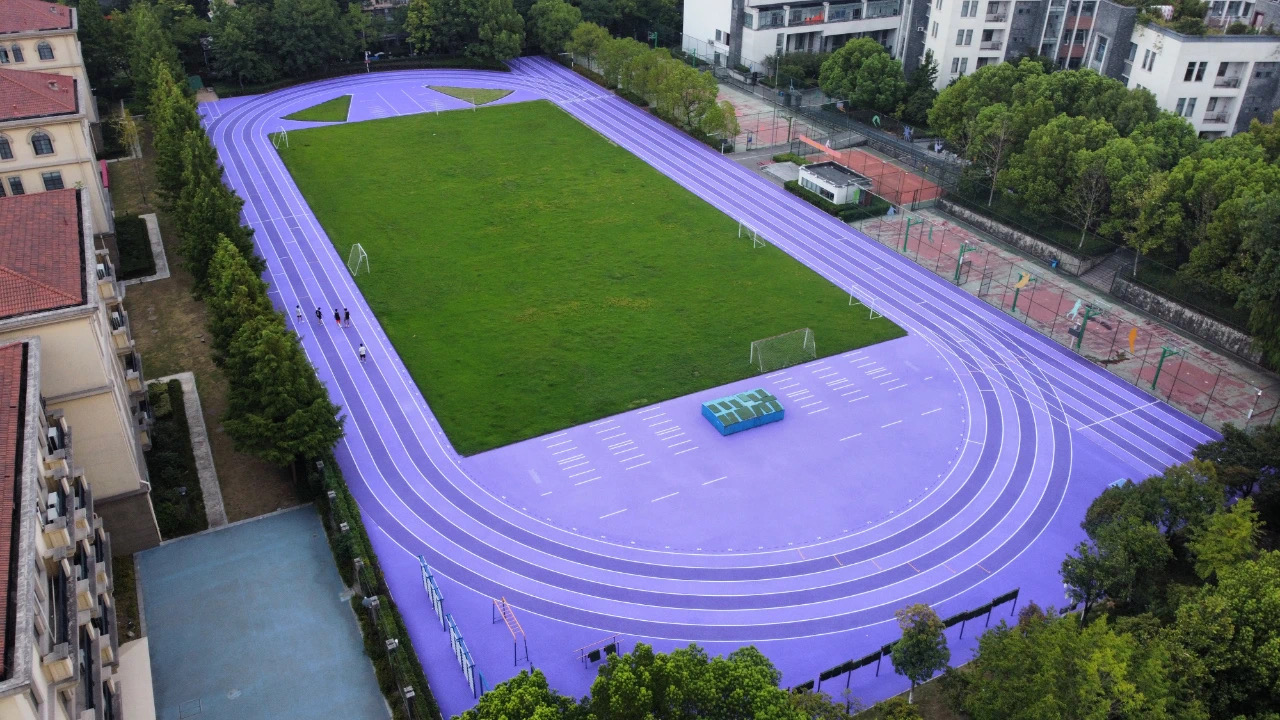
A rubber running track is a complete synthetic sports flooring system designed to provide a resilient, durable, and comfortable surface for athletic activities.
The performance of a rubber running track depends on the interaction between EPDM rubber granules, PU binder, base layers, substrate, installation quality, drainage, and maintenance.
High-quality EPDM granules can provide attractive colors, surface texture, and outdoor weather resistance, while PU binder provides the bonding necessary to create a stable rubber surface.
For schools, universities, stadiums, sports clubs, and community fitness facilities, selecting the appropriate rubber running track system should be based on climate, usage, performance requirements, construction conditions, and long-term maintenance.
By working with an experienced rubber running track manufacturer and using high-quality EPDM rubber granules and compatible PU binder, project owners and contractors can build sports surfaces designed for reliable long-term outdoor performance.


