


Spain has a strong sports culture and a wide range of outdoor athletic facilities, including professional stadiums, school sports grounds, public running tracks, fitness areas, and community walking paths.
The country's Mediterranean climate, strong sunlight, seasonal rainfall, and high outdoor temperatures create specific requirements for sports flooring materials.
For these applications, EPDM rubber granules are widely used as a surface material in synthetic running tracks, sports areas, recreational facilities, and walking zones.
When combined with a suitable polyurethane binder, EPDM granules can provide a resilient, durable, and visually attractive surface for a wide range of outdoor projects.
Outdoor sports facilities are exposed to continuous foot traffic, sports activities, sunlight, rain, and temperature changes.
A well-designed sports flooring system needs to provide a suitable balance between comfort, traction, durability, and surface stability.
For running tracks, the surface should provide consistent elasticity and traction.
For walking and fitness areas, comfort and wear resistance are particularly important.
For stadiums and multi-purpose sports facilities, the flooring system must also maintain its appearance and performance under frequent use.
Therefore, selecting suitable materials is an important part of sports facility construction and renovation.
EPDM rubber granules are commonly used in the surface layer of synthetic running tracks.
EPDM stands for Ethylene Propylene Diene Monomer, a synthetic rubber known for its elasticity and resistance to UV radiation, ozone, moisture, and weathering.
When installed correctly, EPDM granules can contribute to a resilient surface suitable for running and athletic activities.
Different particle sizes can be selected according to the track design and construction system.
Common sizes include:
1–2 mm
1–3 mm
1–4 mm
2–4 mm
3–5 mm
The appropriate size depends on the flooring system, application method, and desired surface texture.
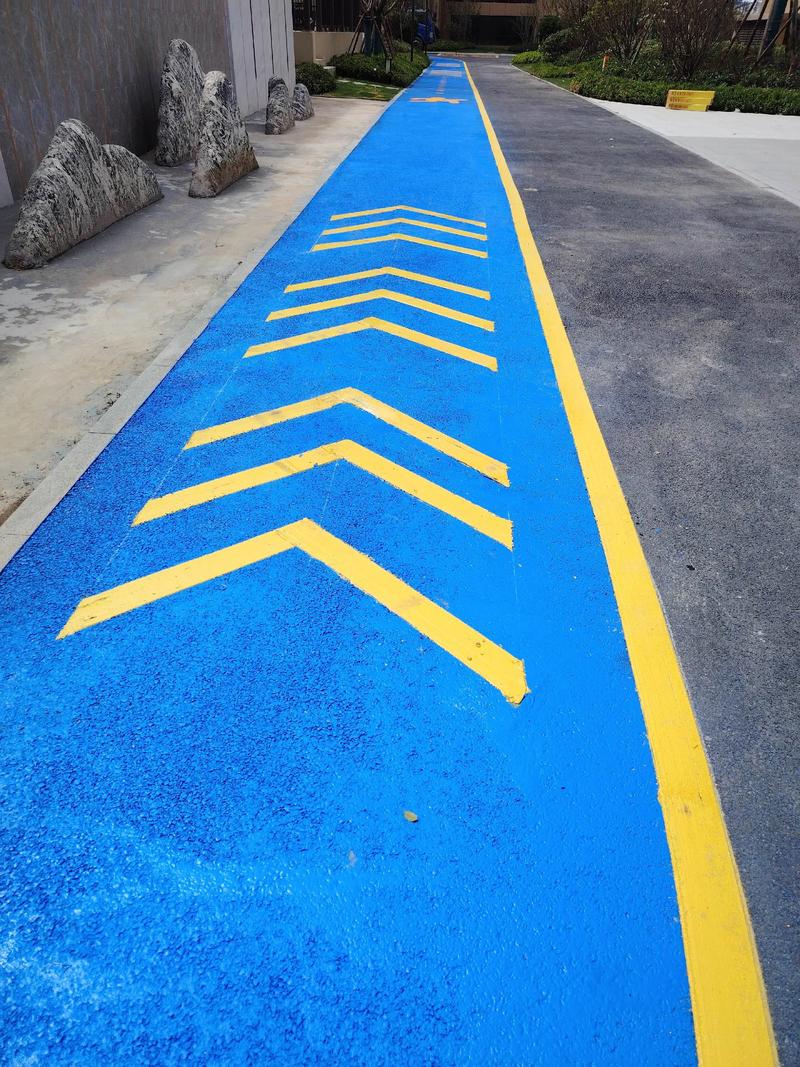
Modern stadiums often contain more than just the main playing field.
Walking areas, warm-up zones, training areas, spectator circulation areas, and recreational spaces may all require durable outdoor surfaces.
EPDM rubber flooring can be considered for selected areas where elasticity, durability, and visual appearance are important.
Colored EPDM granules also provide opportunities for customized designs.
Red, green, blue, yellow, orange, grey, and other colors can be used to create different functional zones or match a stadium's visual identity.
For large stadium projects, consistent color and particle size are particularly important.
A reliable supplier should be able to maintain stable quality between production batches.
Walking paths and outdoor fitness areas are becoming increasingly important in public spaces and community facilities.
These areas may experience continuous pedestrian traffic throughout the year.
Rubber-based flooring can provide a more resilient surface compared with conventional concrete or stone.
For walking areas, the flooring system should provide suitable surface texture, durability, and comfort.
In community fitness areas, the surface may also need to withstand repeated impact from exercise equipment and outdoor activities.
EPDM granules can provide a flexible and colorful surface solution when properly combined with a suitable binder.
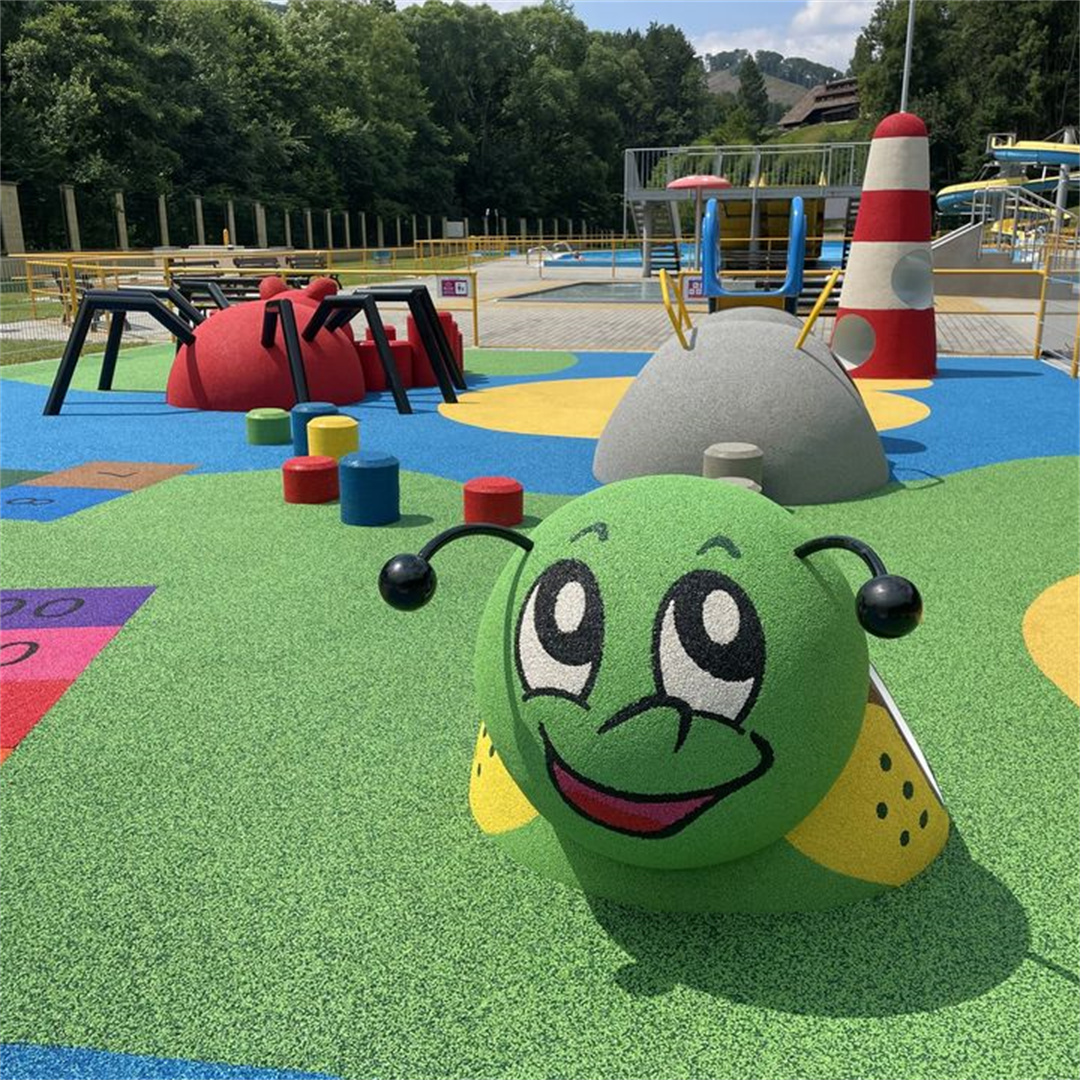
Spain receives significant sunlight, particularly in southern and Mediterranean regions.
Outdoor sports flooring therefore needs to withstand prolonged UV exposure.
High-quality EPDM rubber is known for its resistance to UV radiation and weathering.
This can help maintain the physical properties and appearance of the flooring system during long-term outdoor exposure.
However, actual performance depends on the complete formulation, pigment quality, installation method, and environmental conditions.
For outdoor projects, buyers should request technical information regarding UV resistance, weather resistance, and color stability.
EPDM rubber granules are commonly combined with PU binder to create seamless rubber flooring.
The EPDM granules provide the rubber aggregate, color, and surface texture.
The PU binder bonds the particles together and forms a stable structure after curing.
The correct binder-to-granule ratio is important for achieving consistent results.
Insufficient binder may lead to weak bonding and loose particles.
Excessive binder can affect the surface texture, elasticity, appearance, and project cost.
The mixing ratio should therefore be determined according to the specific flooring system and manufacturer's technical recommendations.
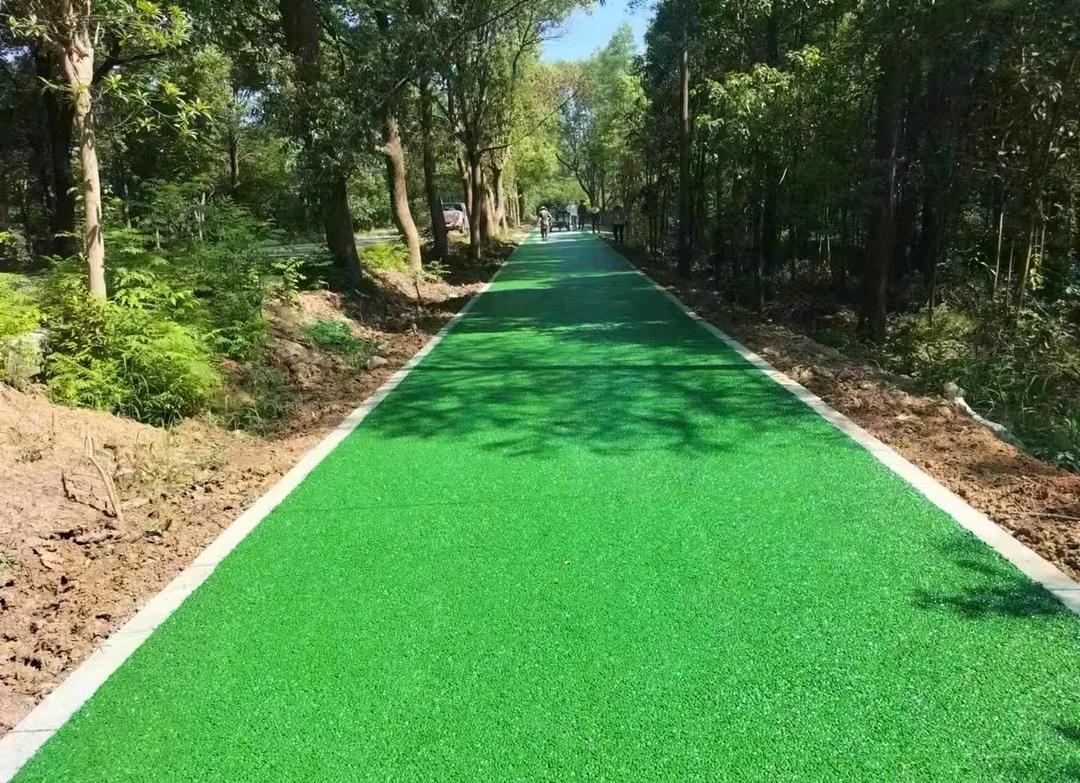
Sports flooring needs to provide suitable traction while allowing comfortable movement.
For running tracks, athletes require consistent surface characteristics during acceleration, running, and changes of direction.
For walking areas, the surface should provide comfortable pedestrian movement and appropriate slip resistance.
For public fitness areas, impact absorption and surface durability can also be important.
The final performance depends on the entire flooring system, including substrate preparation, rubber granule quality, binder, thickness, installation technique, and maintenance.
Therefore, sports flooring should always be designed as a complete system rather than based on one material alone.
Durability is an important consideration for public sports facilities.
A longer-lasting surface can reduce the frequency of major repairs and help lower long-term maintenance requirements.
EPDM flooring can also be used in renovation projects where existing sports or recreational areas need to be upgraded.
For project owners and contractors, evaluating the expected service life, maintenance requirements, material quality, and installation cost can provide a more accurate understanding of the total project value.

When purchasing EPDM rubber granules for projects in Spain, buyers should consider several factors.
The rubber compound should provide suitable elasticity, durability, and weather resistance.
For outdoor stadiums and recreational areas, color stability is important for maintaining a professional appearance.
The granule size should match the intended flooring system and construction method.
The EPDM granules should be compatible with the selected polyurethane binder.
For large projects, a professional supplier should provide technical documentation, product samples, application recommendations, and construction guidance.
Large stadium and running track projects require significant quantities of material.
Stable production capacity and consistent quality between batches are therefore important.
Spain's stadiums, running tracks, walking paths, and outdoor fitness facilities require sports flooring materials that can withstand frequent use and demanding outdoor conditions.
EPDM rubber granules offer a combination of elasticity, durability, weather resistance, color flexibility, and surface design possibilities.
When combined with a suitable PU binder, they can be used to create resilient flooring systems for running tracks, stadium areas, walking zones, playgrounds, and recreational facilities.
For Spanish sports flooring projects, material selection should consider UV exposure, climate, traffic levels, surface requirements, particle size, binder compatibility, and long-term maintenance.
By selecting high-quality EPDM granules and working with an experienced manufacturer, contractors and project owners can develop durable and attractive sports surfaces designed for long-term outdoor use.


