

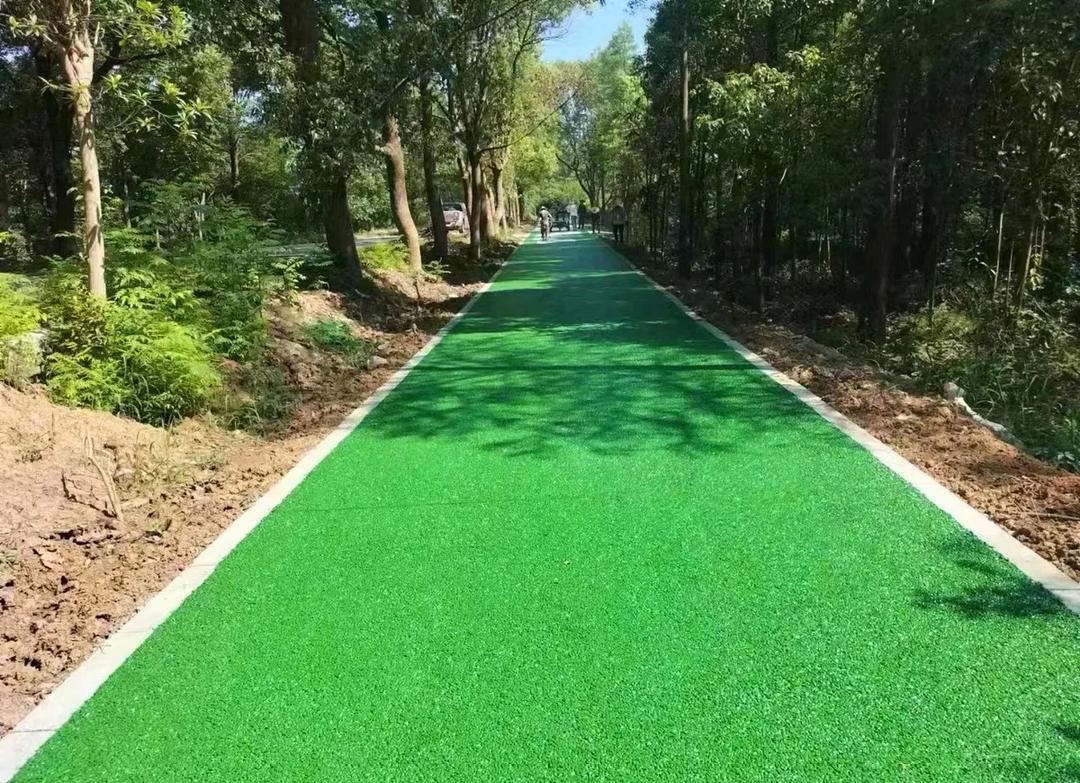
For buyers, contractors, distributors, and sports flooring project managers, understanding how to select the right material is essential.
This complete buying guide explains the key factors you should consider when purchasing EPDM rubber granules for running tracks.
EPDM stands for Ethylene Propylene Diene Monomer, a synthetic rubber known for its excellent resistance to outdoor environmental conditions.
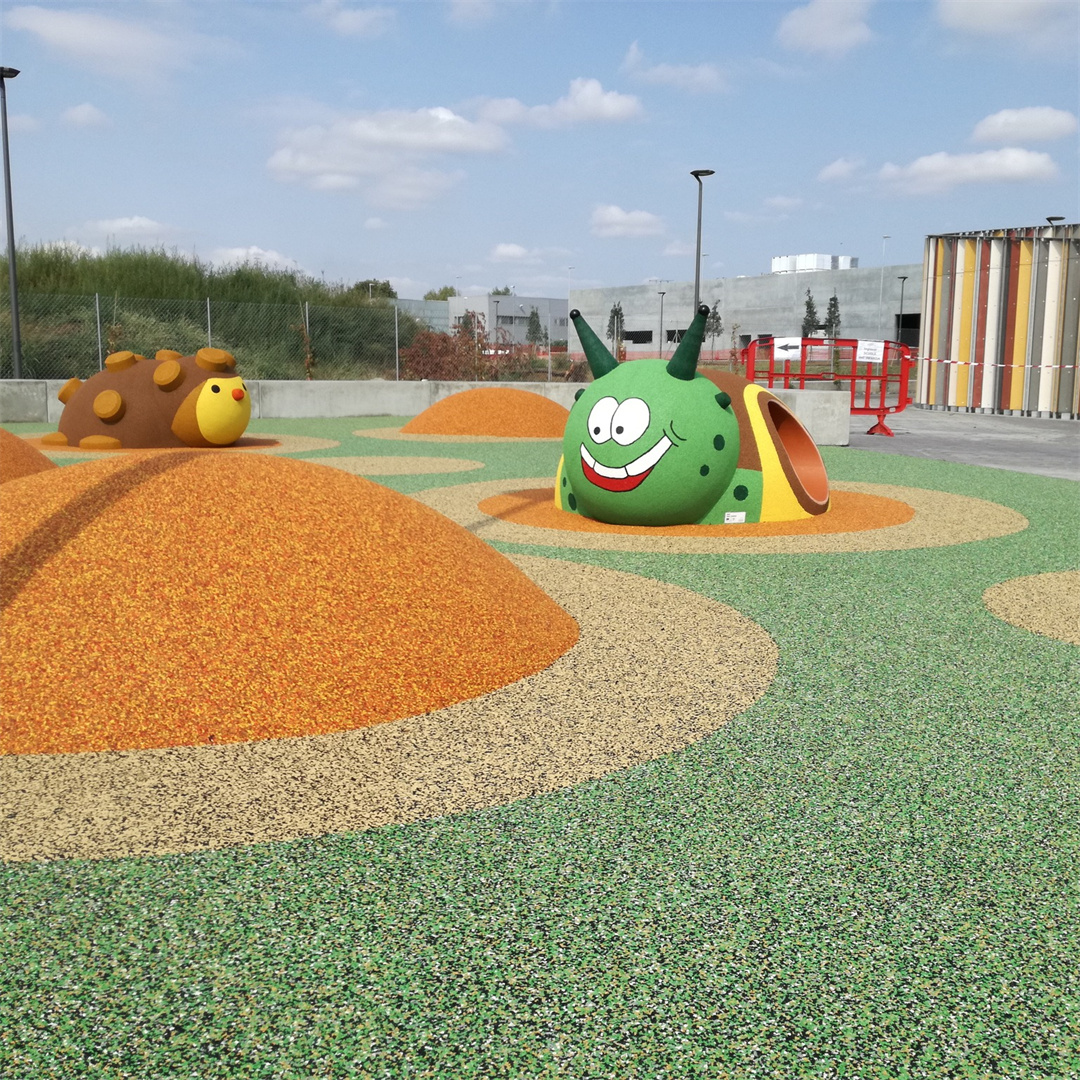
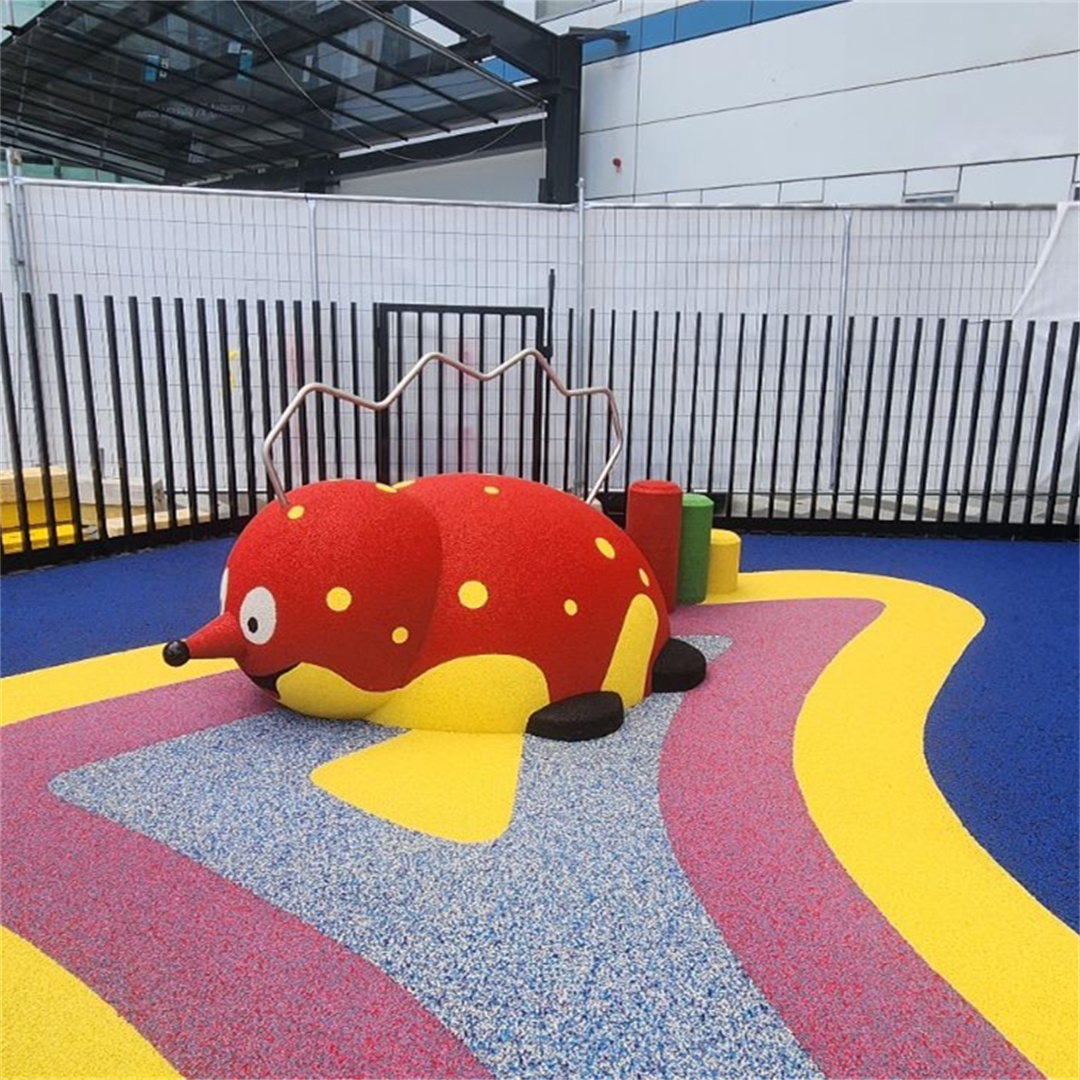
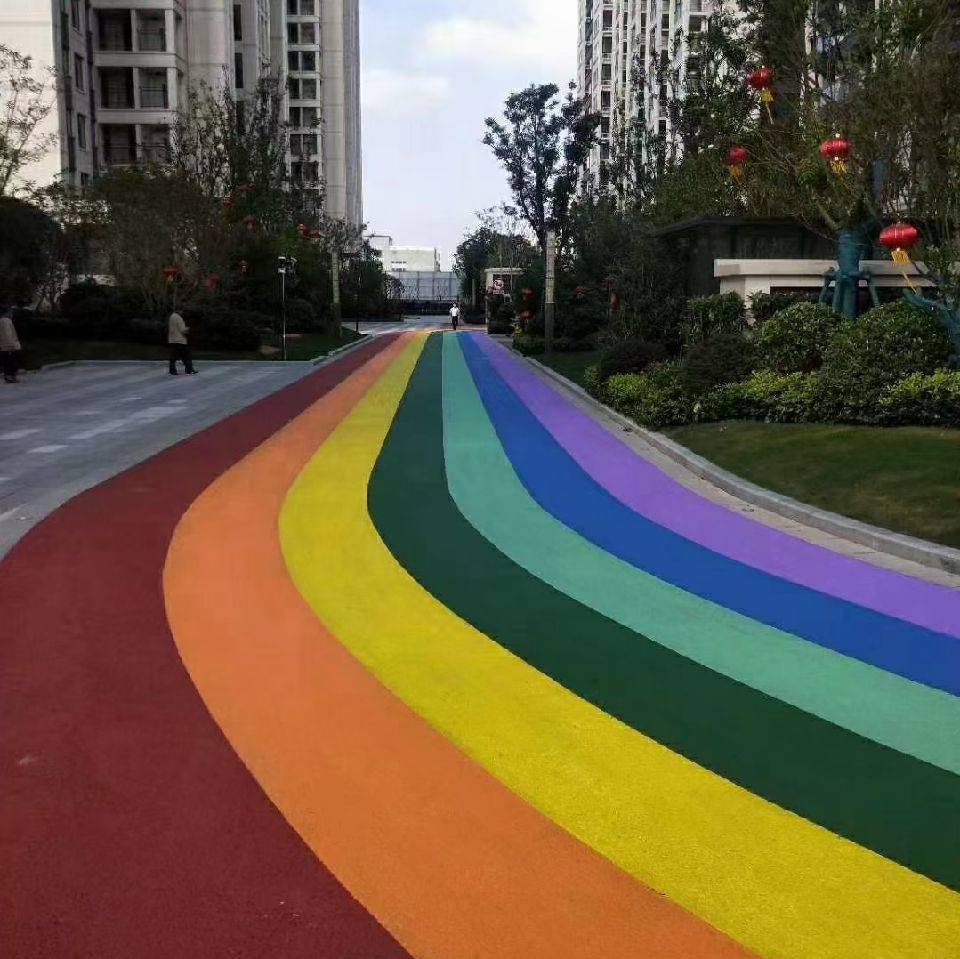
EPDM rubber granules are small particles produced from EPDM rubber compounds and are commonly used as the colored wear layer or surface material of sports flooring systems. They can be installed on running tracks, playgrounds, fitness trails, recreational areas, and other outdoor sports surfaces.
Compared with ordinary rubber materials, EPDM offers good resistance to sunlight, rain, temperature changes, and oxidation. This makes it particularly suitable for outdoor applications where the surface is exposed to harsh weather for many years.
For running track projects, the granules are normally combined with a polyurethane binder to form a resilient and wear-resistant surface layer.
The running surface needs to provide a balance between elasticity, durability, athlete comfort, and long-term appearance.
High-quality EPDM rubber granules can provide several important advantages.
Rubber granules help create a resilient sports surface that can absorb part of the impact generated during running and other athletic activities.
Outdoor running tracks are exposed to UV radiation, rain, humidity, heat, and temperature fluctuations. EPDM is designed to maintain its physical properties under outdoor conditions.
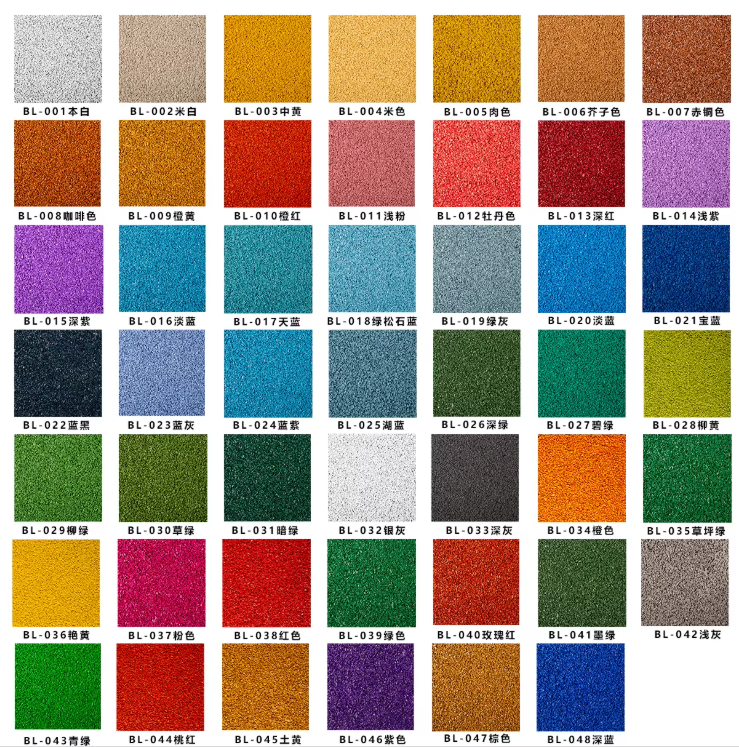
Running tracks are often designed in red, green, blue, black, or other customized colors. Quality EPDM pigments can provide better color stability and help maintain the visual appearance of the surface.
A running track may experience thousands of footsteps every day. A properly formulated EPDM surface can provide good resistance to daily wear and traffic.
EPDM granules are available in different colors and particle sizes, allowing manufacturers and contractors to create customized sports surface designs.
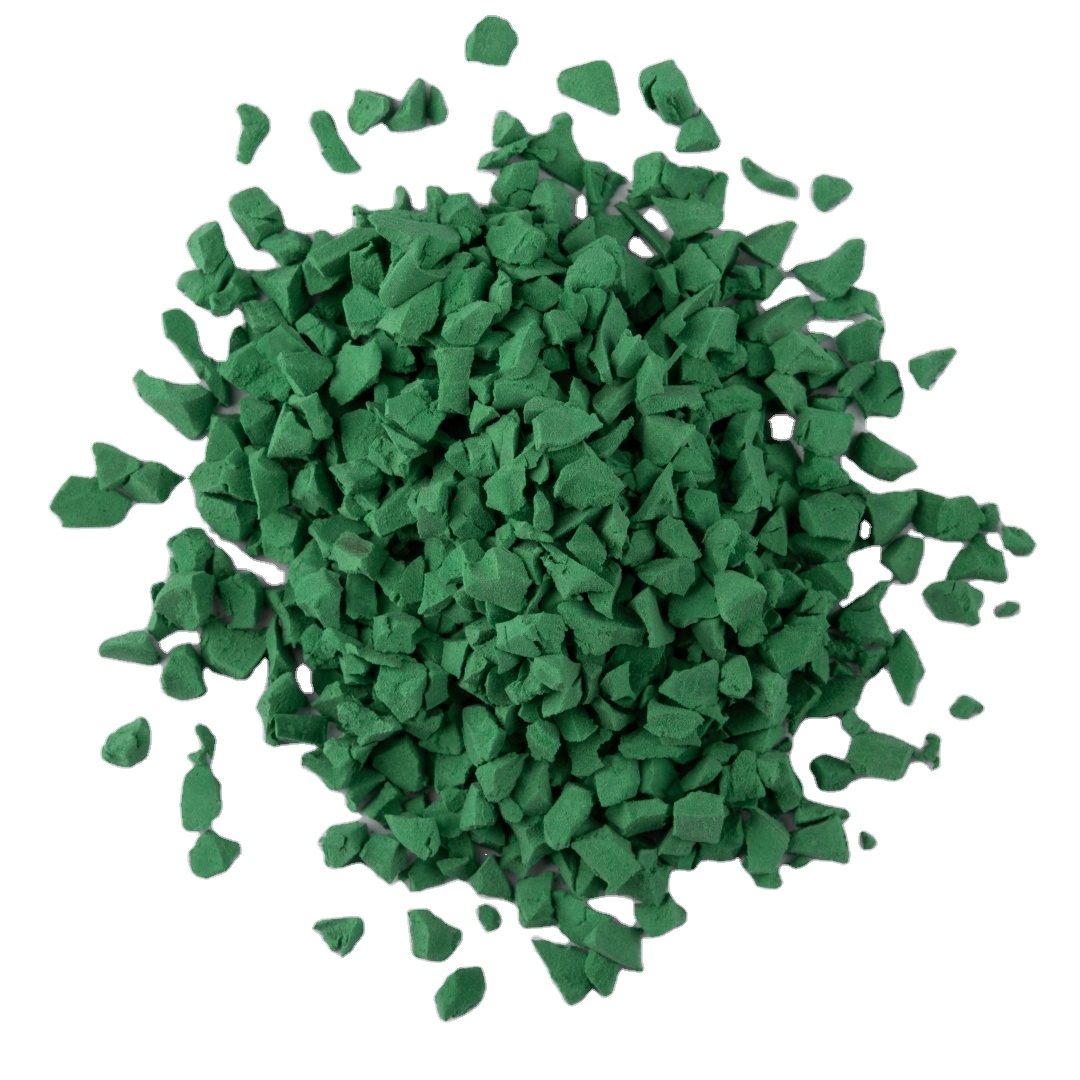
Particle size is one of the first specifications buyers should consider.
Different parts of a running track may require different particle sizes depending on the construction system and surface design.
Common particle sizes include:
0.5–1.5 mm
1–2 mm
1–3 mm
1–4 mm
2–4 mm
2–5 mm
Customized particle sizes
The appropriate size depends on the installation method, surface layer thickness, binder system, and project requirements.
For example, smaller granules can help create a relatively fine surface texture, while larger granules may provide a more pronounced rubber texture.
When purchasing, do not simply select the particle size based on price. Ask the supplier whether the recommended particle size is suitable for your specific running track construction system.
A professional supplier should be able to provide samples before bulk production.
 The quality of the raw material has a direct influence on the final performance of the running track.
When comparing EPDM rubber granules, buyers should ask suppliers about the rubber formulation and production process.
Important factors include:
EPDM rubber content
Pigment quality
Filler content
Rubber hardness
Particle consistency
Surface texture
Color stability
Weather resistance
Low-quality granules may contain excessive filler or unsuitable recycled materials. Although the initial purchase price may appear attractive, these materials can create problems such as inconsistent color, poor elasticity, excessive powder, weak bonding, or premature surface deterioration.
Therefore, purchasing decisions should be based on overall value rather than simply the lowest price per kilogram.
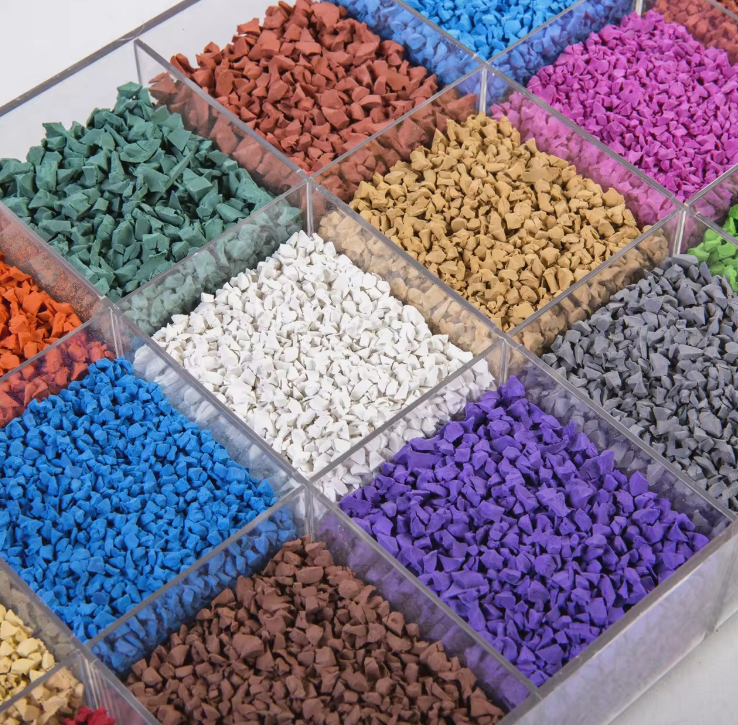
Color is an important part of running track design.
The most common colors include:
Athletic red
Brick red
Green
Blue
Black
Gray
Orange
Customized colors
For outdoor running tracks, color stability should be carefully considered.
Ask your supplier whether the pigments are suitable for outdoor applications and whether the granules have been designed for UV exposure.
A low-quality colored rubber material may gradually fade when exposed to strong sunlight. This is particularly important for projects in tropical or high-UV regions.
If the project is located in countries with strong sunlight, high temperatures, or frequent rainfall, buyers should place greater emphasis on UV resistance and weathering performance.
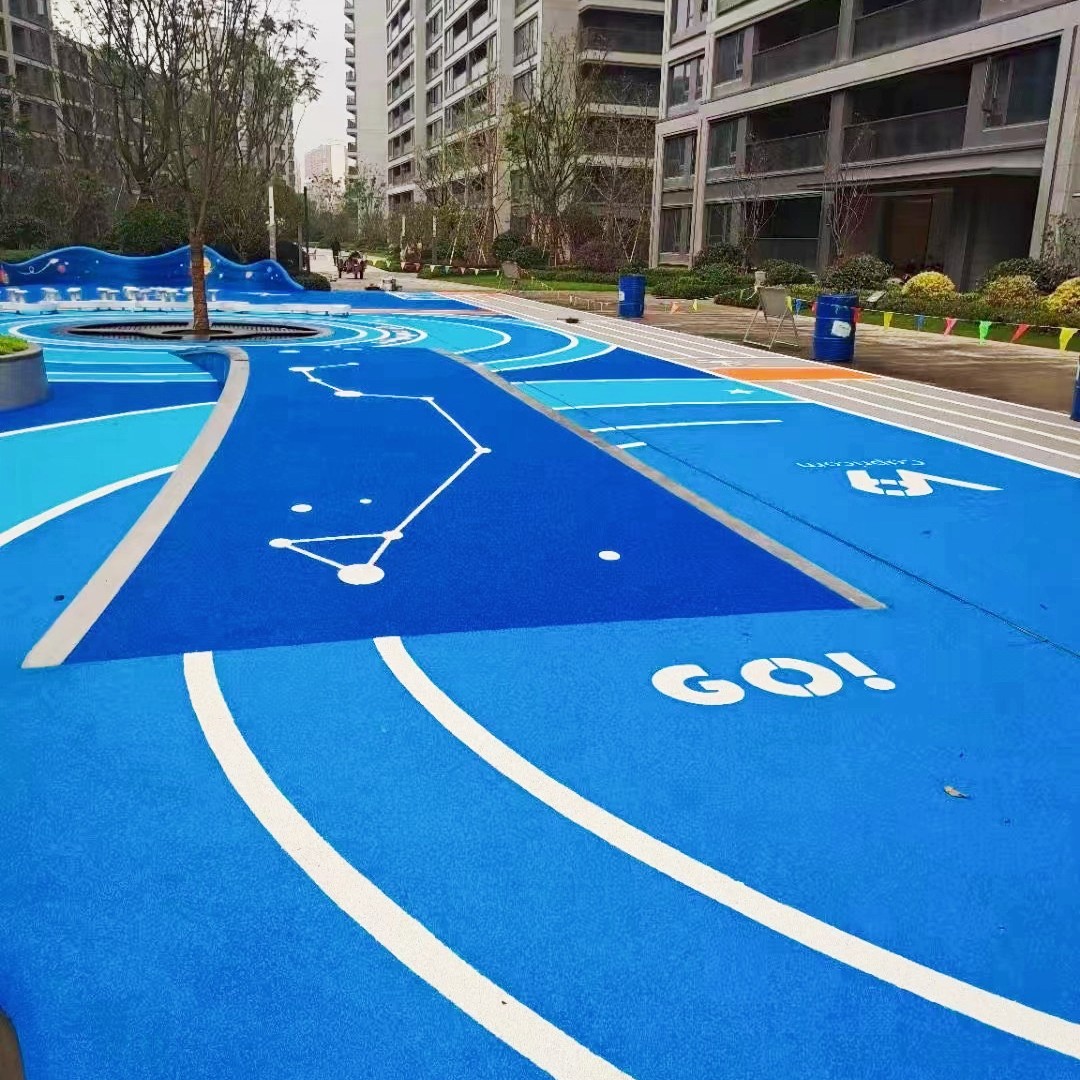
Density is another important specification when purchasing rubber granules.
The density influences the weight of material required for a specific project area.
Two products may have similar particle sizes but different densities. As a result, comparing only the price per kilogram may not accurately reflect the actual project cost.
A better purchasing method is to calculate:
Material cost per square meter = Material consumption per square meter × Price per kilogram
Material consumption depends on:
Surface area
Layer thickness
Granule density
Particle size
Installation method
Mixing ratio
Surface design
Before placing a large order, ask the supplier to provide an estimated consumption rate based on your planned construction system.
This can help you calculate the total material requirement more accurately.
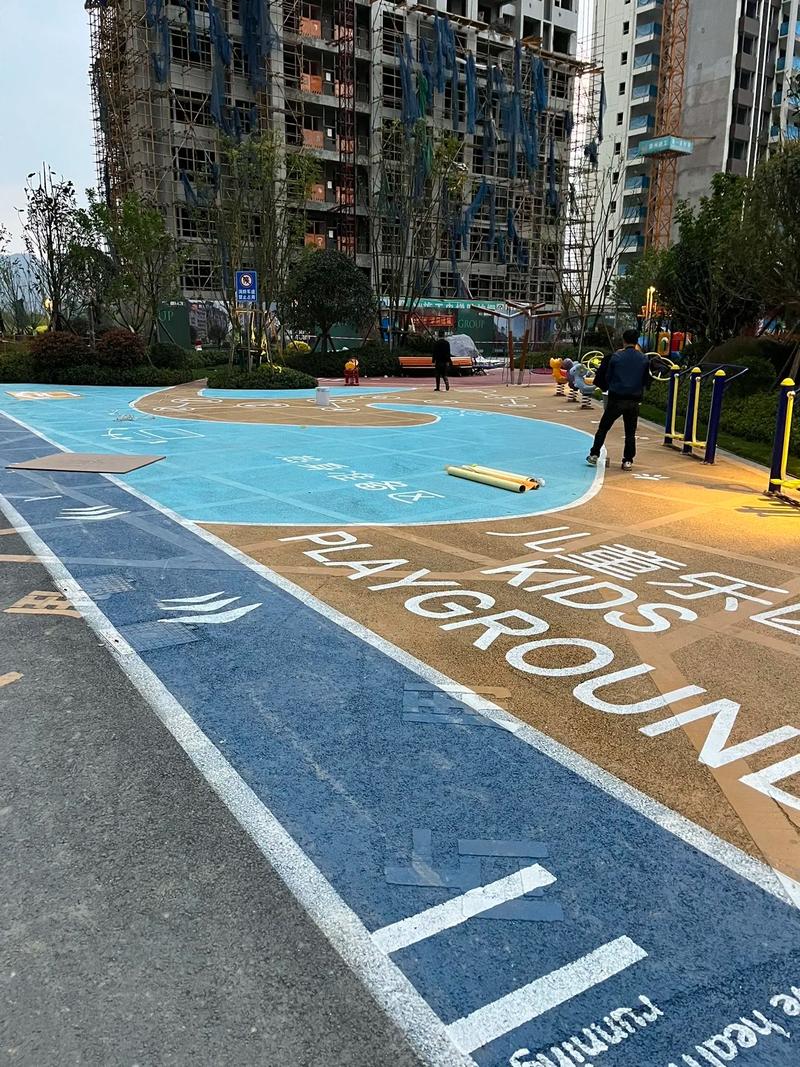
One of the most important considerations is the compatibility between rubber granules and polyurethane binder.
Running track systems often use a polyurethane binder to bond the rubber particles together. If the granules and binder are not properly matched, the final surface may experience bonding problems, loose particles, cracking, or other performance issues.
When purchasing, ask the supplier:
What type of PU binder is recommended?
What is the recommended binder-to-granule ratio?
What particle size is suitable?
What mixing equipment should be used?
What curing conditions are required?
Are application samples available?
A reliable supplier should be able to provide technical recommendations instead of simply selling the granules.
For large projects, it is recommended to conduct a small-scale trial installation before mass construction.
Particle shape also affects the appearance and texture of the finished running track.
Good-quality granules should have relatively consistent particle distribution while maintaining a natural rubber texture.
When evaluating samples, look for:
Consistent particle size
Clean edges
Appropriate roughness
Minimal excessive powder
No obvious contamination
Stable color
Good rubber elasticity
Avoid materials that contain excessive dust or powder, as this can affect mixing, bonding, surface appearance, and material consumption.
The ideal particle shape depends on the specific flooring system, so the supplier's technical recommendation should also be considered.
Never rely entirely on product photographs when purchasing EPDM rubber granules.
Photos can show color and general appearance, but they cannot fully demonstrate important physical characteristics.
Before placing a large order, request samples and evaluate:
Check color uniformity, particle size, and overall appearance.
Touch the granules to evaluate their rubber texture and elasticity.
Check for excessive powder, foreign materials, or visible contamination.
Compare the sample with your project's required color standard.
If possible, mix a small quantity with the intended PU binder and conduct a trial installation.
This is one of the safest ways to reduce purchasing risks.
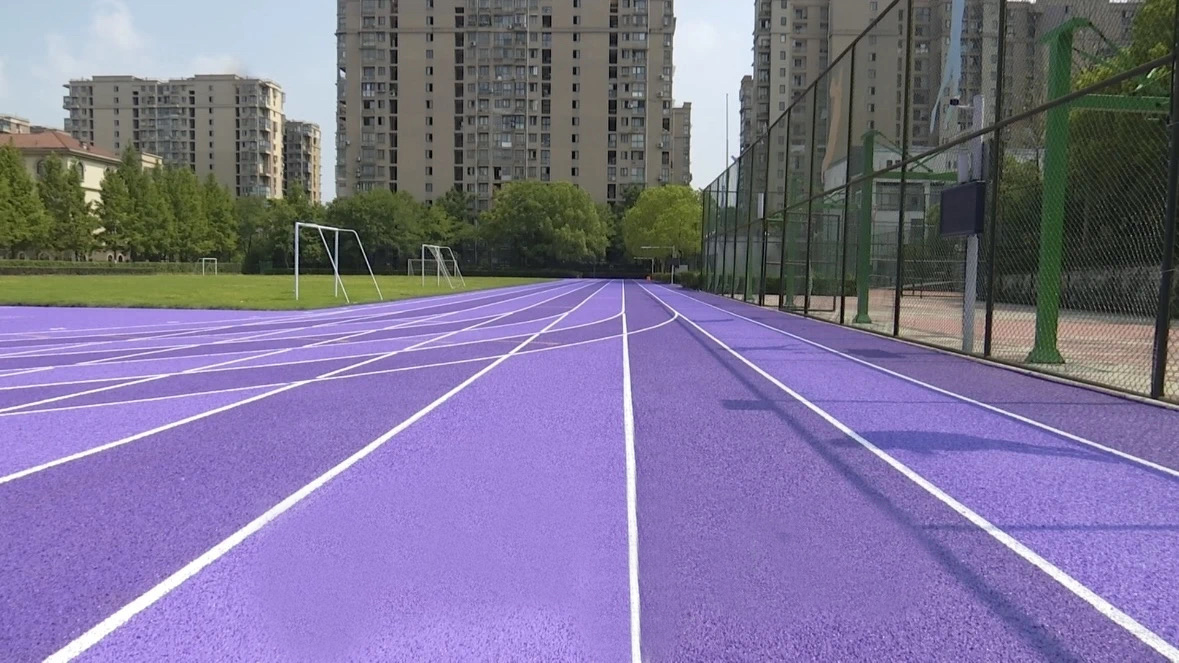
For international buyers, packaging should not be overlooked.
EPDM granules are commonly packed in:
PP woven bags
Kraft bags
Jumbo bags
Pallets
Customized packaging
The packaging should be strong enough to protect the material during long-distance transportation.
Buyers should also confirm:
Net weight per bag
Number of bags per pallet
Pallet dimensions
Container loading quantity
Packaging customization
Moisture protection
Shipping marks
For large international projects, optimizing container loading can significantly reduce the logistics cost per kilogram.
Choosing the right supplier is just as important as choosing the material.
A professional supplier should be able to provide clear information about product specifications, quality control, production capacity, packaging, and technical support.
Before cooperation, consider the following questions:
An experienced manufacturer is generally better positioned to maintain consistent product quality.
A supplier that supports pre-order samples makes product evaluation easier.
Customization can be important for large sports flooring projects.
Technical support is especially valuable when the buyer is working with different PU binder systems or unfamiliar construction methods.
For large projects, consistent color and particle size between different batches are extremely important.
Export packaging, container loading, documentation, and delivery experience can make international procurement more efficient.
Price is naturally an important consideration, but the cheapest product is not always the most economical choice.
When comparing EPDM rubber granules, buyers should consider the total cost of ownership rather than only the initial material price.
For example, a low-priced material may have:
Higher filler content
More powder
Poorer color stability
Lower elasticity
Higher material consumption
Less consistent particle size
These factors can increase installation costs and maintenance requirements.
A slightly higher-quality material may provide better long-term value by reducing waste and improving surface performance.
For professional running track projects, the better purchasing strategy is:
Quality + Performance + Consistency + Technical Support + Price
rather than price alone.
Before confirming an order, buyers can use the following checklist:
Product Information
What is the EPDM rubber content?
What particle sizes are available?
What colors are available?
Can colors be customized?
What is the material density?
What is the recommended application?
Quality Control
Are samples available?
How is color consistency controlled?
How is particle size controlled?
What quality inspection procedures are used?
Construction
Which PU binder should be used?
What mixing ratio is recommended?
What is the expected material consumption?
Is technical support available?
International Purchasing
What packaging options are available?
What is the MOQ?
What is the production lead time?
How many tons can be loaded into a container?
Can the supplier provide export documentation?
Getting these answers before ordering can significantly reduce potential project risks.
Choosing the right EPDM rubber granules requires more than comparing quotations from different suppliers.
The most important factors include raw material quality, particle size, color stability, density, weather resistance, particle consistency, compatibility with PU binder, packaging, and supplier reliability.
For small projects, requesting samples and conducting a simple application test can help confirm suitability.
For large running track projects, buyers should work with suppliers that can provide consistent batches, customized specifications, technical support, and reliable international delivery.
The best EPDM rubber granules are not necessarily the cheapest option. They are the materials that provide the right balance of performance, consistency, appearance, construction efficiency, and long-term value.
If you are sourcing EPDM materials for a running track, playground, fitness trail, or other sports flooring project, working directly with an experienced manufacturer can make the purchasing process more efficient and reduce unnecessary quality risks.
Baoli Technology provides EPDM rubber granules for sports flooring applications, with options for different particle sizes, colors, and project requirements.
Whether you are a sports flooring contractor, distributor, construction company, or project owner, we can help you evaluate the appropriate rubber granules according to your application, construction system, and project requirements.
Contact Baoli Technology to discuss your next sports flooring project and request product samples.


